Sleep support supplements for sweet dreams and skin

Sleep support supplements

Picture this: you, cocooned in your blankets, drifting off into a whimsical dreamland, where unicorns dance and snooze buttons are non-existent. With Sleep support supplements strutting onto the scene, your nightly escapades might just take a turn for the fantastical! These little capsules of serenity promise to enhance your sleep quality, but they also come with a side of skin-care benefits that could make your complexion glow like a moonlit night.

Dive into the world of Sleep support supplements, where melatonin, valerian root, and other magical ingredients team up to help you catch those elusive Zs. But beware! Like any hero’s journey, there are potential side effects and safety considerations lurking in the shadows. So fasten your sleep masks as we explore the enchanting realm of supplements that promise not only restful nights but also radiant days!

Sleep Support Supplements Overview

Sleep support supplements

In a world that often treats sleep like a pesky inconvenience rather than a vital necessity, sleep support supplements have emerged as the superheroes of our nighttime routines. These little capsules promise to whisk you away to the land of dreams quicker than you can say “counting sheep,” helping improve sleep quality and overall well-being.Sleep support supplements typically contain an array of ingredients designed to promote relaxation and ensure a restful slumber.

These ingredients work in harmony to tackle the common enemies of sleep: stress, anxiety, and restless legs (not the funky dance move, but the real deal). Understanding what these components do can help you choose the right supplement for your nocturnal needs.

Common Ingredients in Sleep Support Supplements

When navigating the aisle of sleep aids, it’s essential to know what you’re getting into. Below are some common ingredients found in sleep support supplements and their respective magic tricks:

  • Melatonin: Often dubbed the “sleep hormone,” melatonin helps regulate your circadian rhythm. It’s like your internal alarm clock, reminding you when it’s time to hit the hay.
  • Valerian Root: This herbal wonder has been used for centuries to combat insomnia. Think of it as a cozy blanket for your mind, easing you into slumber.
  • Magnesium: Not just for muscle cramps! Magnesium relaxes the nervous system, helping reduce anxiety and encouraging a peaceful night’s sleep.
  • Chamomile: This delightful flower is known for its calming properties, often enjoyed as a tea. In supplements, it helps you unwind and drift off gently.
  • L-theanine: Found in green tea, L-theanine promotes relaxation without drowsiness, making it the perfect companion to help you ease into sleep without feeling groggy.

Potential Side Effects and Safety Considerations

While the prospect of a good night’s sleep is undeniably alluring, it’s crucial to approach sleep support supplements with a healthy dose of caution. Just as not every hero wears a cape, not every supplement is without its drawbacks. Some potential side effects include:

  • Drowsiness: The very thing you want when it’s bedtime can become a problem if you need to be alert the next morning.
  • Digestive Issues: Some ingredients, like valerian root, might cause stomach upset for sensitive individuals.
  • Allergic Reactions: Always check for potential allergens, especially with herbal supplements.
  • Interactions with Medications: Certain supplements might interfere with prescription medications, so consulting a healthcare provider is key.

“A good night’s sleep is the best medicine—unless it’s also interacting with your meds.”

When considering sleep support supplements, always prioritize safety by starting with lower doses and consulting with a healthcare professional, especially if you have underlying health conditions or are pregnant. Remember, even superheroes have their kryptonite!

Connection Between Sleep and Skin Care

When it comes to achieving that coveted glow, sleep isn’t just for the faint of heart—it’s your skin’s best friend! Imagine your skin lounging on a beach chair with a tropical drink in hand, soaking up the restorative powers of sleep. Just as a good night’s rest refreshes your mind, it revitalizes your skin, too. Let’s dive into the marvelous ways that snoozing can turn your complexion from drab to fab, and explore some sleep support supplements that work wonders for both your dreams and your dermis.Sleep directly impacts skin health and appearance, acting as a beauty elixir that helps combat signs of aging, acne, and dullness.

During those blissful hours of slumber, your skin undergoes a repair process, regenerating cells and boosting blood flow. This means a well-rested face can look plumper and more radiant—like a peach basking in the summer sun! Lack of sleep, on the other hand, can lead to increased stress hormones, making skin woes like breakouts and dark circles a reality. So, if you’re aiming for skin that screams “I just had a spa day,” you might want to prioritize those ZZZs.

Sleep Support Supplements Benefiting Skin Care

In the battle of beauty, some sleep support supplements have emerged as champions, offering skin-nurturing benefits alongside their sleep-inducing powers. Let’s take a closer look at these delightful little capsules (or powders) that can help you unlock both dreamland and that elusive glow.

Here are some sleep support supplements that double as skin-care saviors:

  • Melatonin: This powerhouse hormone not only helps regulate your sleep-wake cycle but also possesses antioxidant properties that fend off free radicals, keeping your skin youthful and vibrant.
  • Magnesium: Known as the ultimate relaxant, magnesium not only improves sleep quality but also helps to reduce inflammation and supports skin barrier function, promoting a smooth and even complexion.
  • Collagen Peptides: With their ability to support skin elasticity and hydration, collagen peptides can be taken before bedtime for a deliciously effective night-time beauty boost.
  • L-Theanine: This amino acid found in tea can help you unwind and improve the quality of your sleep, while also promoting a healthy glow by reducing stress-related skin issues.

All these supplements are like your skin’s night shift workers, tirelessly ensuring that you wake up looking fresh and fabulous. But wait, there’s more! Let’s not forget about some natural remedies that also help improve sleep and skin health.

Natural Remedies for Better Sleep and Skin Benefits

While sleep support supplements are handy, several natural remedies can also pave the way for restful nights and bright mornings. These remedies aren’t just old wives’ tales; they have merits backed by various studies and traditions.

Here are a few natural sleep aids that can help improve skin health:

  • Chamomile Tea: Sip on this calming brew to ease your mind and help you drift off, while its anti-inflammatory properties can soothe irritated skin.
  • Lavender Essential Oil: Known for its relaxation powers, lavender can be inhaled or used in a warm bath to promote better sleep, and its antiseptic qualities may help keep your skin clear and healthy.
  • Valerian Root: This herbal remedy can enhance sleep quality, and studies suggest it may also aid in reducing skin issues related to stress.

“A good night’s sleep is like a mini-vacation for your skin!”

Balancing these natural remedies with sleep support supplements can lead to a harmonious relationship between your snooze time and skin health. It’s like having a skincare routine that works even while you dream. So, whether you choose a supplement or a herbal tea, remember that prioritizing sleep is essential not just for your well-being but for your skin’s vitality too!

Sleep, Wellness, and Lifestyle
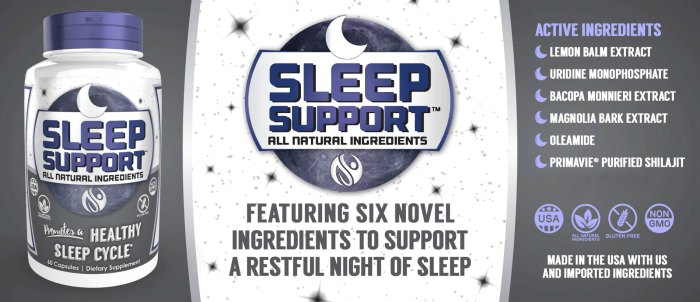
Sleep support supplements

Ah, sleep—the magical realm where dreams frolic and worries take a well-deserved vacation! But did you know that good ol’ slumber is not just a nightly escape? It’s a cornerstone of wellness that can transform your life. Sleep support supplements swoop in like superheroes in this cozy narrative, enhancing our sleep quality and, by extension, our holistic wellness journey. Pairing them with spa retreats, wellness routines, and a sprinkle of self-care can create a delightful harmony that even a symphony conductor would envy!In the grand tapestry of health, sleep plays a vital role.

It not only refreshes our minds but also rejuvenates our bodies, helping us tackle life’s challenges with the zeal of a caffeinated squirrel. Just as yoga stretches the body and calms the mind, optimizing our nightly rest ensures that our days are filled with vigor and vitality. So, let’s dive into the soothing waters of lifestyle changes that can amplify the effects of those dreamy little supplements!

Holistic Integration of Sleep Support Supplements

Incorporating sleep support supplements into a holistic wellness routine can feel like adding a cherry on top of a health sundae. When combined with activities like spa treatments and yoga, they can significantly enhance your overall well-being. Consider the following aspects:

  • Spa Treatments: Regular visits to the spa can help create a serene environment that promotes relaxation. Combine this with sleep supplements, and you’re on your way to blissful slumber.
  • Mindfulness Practices: Engaging in mindfulness techniques such as meditation or deep breathing can prepare your mind for sleep, working synergistically with your supplements.
  • Massage Therapy: A good massage can alleviate physical tension, making it easier for your body to respond to sleep aids. It’s like sending your body a “thank you” for a hard day’s work!

Integrating sleep support into your wellness routine is like adding a secret ingredient to your favorite dish—it elevates the experience!

Importance of Sleep in Relation to Yoga Practices

Yoga and sleep share a close-knit bond that resembles two best friends who finish each other’s sentences. The benefits of sleep extend to improved flexibility, reduced stress, and enhanced mental clarity—all by-products of a solid yoga routine. When you practice yoga, you not only prepare your body for restful sleep but also create a tranquil mind that is ready to dream big!Here’s how yoga complements sleep quality:

  • Physical Relaxation: Gentle yoga poses help to relax tense muscles and promote blood circulation, making it easier to drift off into dreamland.
  • Mental Calmness: Yoga encourages mindfulness, reducing the mental chatter that often keeps us awake at night.
  • Routine Establishment: Incorporating yoga into your evening routine signals to your body that it’s time to wind down, enhancing the effectiveness of sleep supplements.

Sleep and yoga are like peanut butter and jelly—together, they create something beautifully balanced!

Lifestyle Changes to Enhance Sleep Support Supplement Effectiveness

To maximize the power of your sleep support supplements, consider making some lifestyle tweaks that can transform your nightly routine into a veritable sleep sanctuary. Here’s a curated list of changes to contemplate:

  • Consistent Sleep Schedule: Going to bed and waking up at the same time every day can regulate your body’s internal clock, making it easier to fall asleep.
  • Limiting Screen Time: Reducing exposure to screens before bed helps prevent that pesky blue light from sabotaging your sleep quality.
  • Creating a Restful Environment: Adjusting your bedroom with soft lighting and cozy pillows can make it a haven of tranquility.
  • Healthy Eating Habits: Avoid heavy meals close to bedtime to prevent discomfort that could keep you tossing and turning.
  • Regular Exercise: Engaging in physical activity during the day can help you fall asleep faster and enjoy deeper sleep.

Transforming your lifestyle isn’t about making drastic changes—small adjustments can lead to big results in your sleep quality!

End of Discussion

As we wrap up our sleepy saga, it’s clear that Sleep support supplements are not just about counting sheep; they’re the secret allies in your quest for better sleep and glowing skin! Whether you’re a night owl or a sleepyhead, these supplements can work wonders when paired with lifestyle changes and a sprinkle of self-care. So next time you curl up with a good book or prepare for a beauty sleep, remember that with a bit of help from these little wonders, you can wake up feeling refreshed and fabulous!

Expert Answers

What are sleep support supplements?

They are dietary aids designed to enhance sleep quality and address issues like insomnia or restlessness.

How long does it take for sleep support supplements to work?

Effects can vary, but many users notice improvements within 30 minutes to 1 hour after consumption.

Are sleep support supplements safe for everyone?

While many are safe, it’s best to consult a doctor, especially for those with pre-existing health conditions or who are pregnant.

Can I take sleep support supplements with other medications?

Consult with a healthcare professional to avoid any adverse interactions with other drugs.

Do sleep support supplements have side effects?

Possible side effects include drowsiness, dizziness, or digestive issues, though most are mild and temporary.
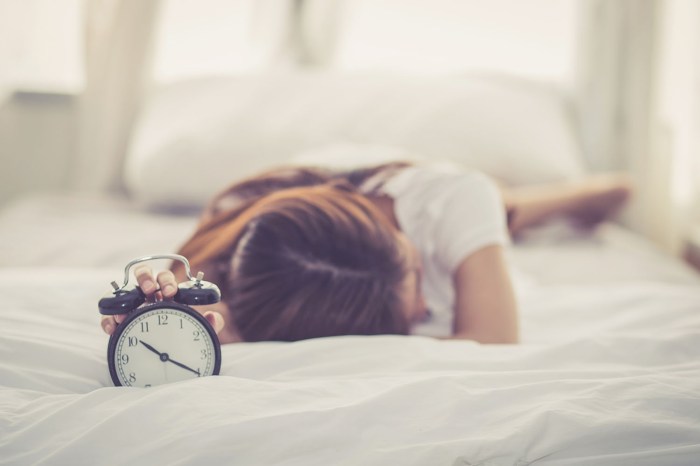

Sleep quality Unleashing the Power of Zzzs

Sleep quality

If sleep were a superhero, it would be the undisputed champion of health and wellness, swooping in to save the day while we snooze! Sleep quality is no mere bedtime story; it’s the secret ingredient behind glowing skin, sharp minds, and a robust immune system. As we dive into the land of slumber, we’ll discover how our nightly adventures—or misadventures—can make or break our well-being.

From the relationship between sleep and mental health to the surprising effects on our skin and immunity, sleep quality is the unsung hero of our daily lives. Struggling with puffiness or chronic conditions? Fear not! We’ll cover how to transform your night into a rejuvenating escapade that leaves you refreshed and ready to conquer the world—one pillow at a time.

Sleep Quality and Overall Health

Sleep is often seen as the ultimate luxury in today’s fast-paced world, but it’s more like your body’s nightly spa treatment, crucial for overall health. Quality sleep is not just about counting sheep; it’s a vital ingredient in the recipe for a healthy and happy life. Imagine your brain as a computer that needs rebooting every night to function optimally; without that rest, it can crash harder than a Windows 95 machine after too many pop-up ads.

Mental Health and Sleep Quality

The connection between sleep quality and mental health is as strong as a double espresso on a Monday morning. Poor sleep can lead to heightened anxiety, depression, and irritability, creating a vicious cycle where mental health issues further compromise sleep quality. When the brain doesn’t get enough quality rest, it can’t properly regulate mood and emotions, much like trying to bake a soufflé with expired ingredients.

Studies have shown that people with insomnia are ten times more likely to develop depression, emphasizing the importance of those nightly Zzz’s.

Impact of Sleep on Physical Health and Immune Function

Sleep acts as a powerful immune booster, akin to a superhero cape for your body. Quality sleep supports various physiological functions and helps maintain a strong immune system. When you skimp on sleep, your body’s ability to fend off infections diminishes, making you feel like a sitting duck in a shooting gallery. Research indicates that those who get less than seven hours of sleep are three times more likely to catch a cold than those who prioritize their shut-eye.

This happens because sleep helps produce cytokines, proteins that combat infection and inflammation.

Effects of Poor Sleep on Chronic Conditions

The dark cloud of poor sleep looms large over chronic conditions like diabetes and heart disease. Poor sleep can wreak havoc on insulin sensitivity, making it harder for the body to manage blood sugar levels, which is a red flag for diabetes. In fact, a study published in the journal “Diabetes Care” found that sleep deprivation could lead to a 23% increase in the risk of developing type 2 diabetes.

Similarly, the heart isn’t a fan of sleep deprivation; studies suggest that insufficient sleep can lead to high blood pressure, increased stress levels, and inflammation, all of which are major culprits behind heart disease.

“Sleep is the best meditation.” – Dalai Lama

In summary, sleep quality is crucial not just for a good mood but also for a well-functioning, healthy body. The next time you’re tempted to binge-watch that series instead of hitting the hay, remember: quality sleep is your secret weapon against illness, stress, and mood swings. So, tuck yourself in and let your body do the magic of healing while you dream of unicorns and rainbows.

Sleep Quality and Skin Care

Sleep quality

Sleep is like a magical elixir for our skin. It’s during those precious hours of slumber that our skin gets a chance to repair itself, rejuvenate, and prepare for the next day’s adventures. If you’ve ever wondered why you look like a snack after a full night’s rest, it’s because your skin is busy working hard while you dream of unicorns and rainbows.

Let’s dive into how sleep quality impacts skin health and what you can do to keep your complexion glowing like a freshly polished apple.

Impacts of Sleep on Skin Health and Appearance

A good night’s sleep can transform your skin from drab to fab, while poor sleep can leave you looking like you just ran a marathon in the Sahara Desert. Lack of sleep can lead to increased stress hormones like cortisol, which may result in breakouts, dullness, and even premature aging. Your skin relies on sleep to boost collagen production, repair damage, and maintain hydration levels.

Think of sleep as your skin’s BFF, always there to lend a hand (and a lot of moisture) when needed. Here are some key points about how sleep and skin health are intertwined:

  • Decreased inflammation: Quality sleep helps reduce redness and puffiness, giving your skin a calm and collected vibe.
  • Enhanced hydration: Your skin can absorb moisture better at night, leading to a plump and dewy glow.
  • Fewer dark circles: Quality sleep prevents those pesky bags under your eyes from auditioning for a role in a horror movie.
  • Improved elasticity: Sleep allows your skin to repair itself, maintaining its firmness and preventing sagging.

Skincare Routine Enhancing Skin Quality at Night

A nighttime skincare routine is like tucking your skin into bed with a cozy blanket. It’s essential to create a regimen that not only cleanses but also nourishes and rejuvenates your skin while you sleep. Here’s a step-by-step guide to an effective nighttime skincare routine that enhances skin quality:

  1. Cleanse: Start by washing away the day’s grime, makeup, and stress. A gentle cleanser will do the trick, leaving your skin fresh and ready for action.
  2. Exfoliate: A few times a week, use a mild exfoliant to slough off dead skin cells. This allows your skincare products to penetrate deeper and work their magic.
  3. Tone: Apply a hydrating toner to balance your skin’s pH levels and prep it for the following products.
  4. Serum: Choose a serum packed with active ingredients like hyaluronic acid or retinol to target specific concerns while you snooze.
  5. Moisturize: Seal in the goodness with a rich night cream or oil that locks in moisture and helps your skin repair itself overnight.
  6. Eye cream: Don’t forget the delicate eye area. A nourishing eye cream can work wonders while you dream.

Methods to Prevent Sleep-Related Skin Issues

Even the best of us can experience sleep-related skin issues, like puffiness that could rival the Michelin Man or acne that seems to have an audition for the next blockbuster. But fear not! There are some easy methods to keep your skin looking its best while you catch those Z’s:

  • Sleep on your back: This position reduces pressure on your face, helping to prevent those sleep lines that can become permanent roommates.
  • Use a silk pillowcase: Silk is gentler on your skin than cotton, helping to reduce friction and prevent breakouts.
  • Stay hydrated: Drink plenty of water throughout the day to keep your skin hydrated and plump, so it doesn’t feel like the Sahara by morning.
  • Limit screen time: Reduce exposure to blue light before bed to improve sleep quality, which in turn helps your skin repair itself.

“A good laugh and a long sleep are the best cures in the doctor’s book.” – Irish Proverb

Sleep Quality and Wellness Practices

Sleep quality

In the quest for the perfect snooze, wellness practices can be your trusty sidekicks, much like a superhero team ready to battle insomnia. Imagine soothing spa treatments, calming yoga sessions, and a magical list of supplements that join forces to elevate your sleep quality. Together, they can transform your nightly routine from a restless auto-pilot into a serene, dreamy voyage!

Spa Treatments and Sleep Quality

Indulging in spa treatments is akin to giving your body a warm hug and telling it, “Hey, you deserve some serious pampering!” Spa therapies, such as massages, aromatherapy, and hydrotherapy have been found to significantly enhance sleep quality. Massage therapy, in particular, not only loosens those tight muscles but also stimulates the production of serotonin, paving the way for melatonin—the hormone that welcomes sleep like an old friend.

Imagine floating in a warm, bubbly hot tub with lavender essential oil wafting through the air—the very essence of relaxation! Hydrotherapy can decrease muscle tension and promote relaxation, while aromatherapy wraps you in a fragrant cocoon, sending you off to dreamland. When you leave the spa, you’re not just refreshed; you’re practically a sleep ninja, ready to conquer the night!

Yoga and Sleep Promotion

Yoga isn’t just about fancy poses and Instagram-worthy mats; it’s a sleep superhero in disguise! Practicing yoga helps to quiet the mind, reduce anxiety, and stretch out the knots of tension built up over the day. Incorporating gentle yoga routines into your evening ritual can significantly improve your sleep quality. The magic of yoga lies in its breathing techniques, which act as lullabies to your nervous system.

Poses like Child’s Pose and Legs-Up-The-Wall help lower cortisol levels and encourage relaxation. So, if you find yourself tossing and turning, try striking a pose (not the celebrity kind), and let your worries melt away.

Supplements Supporting Sleep Quality

When it comes to sleep-enhancing supplements, think of them as your friendly neighborhood sleep aids—each with its own unique powers to help you drift off. Here’s a fabulous lineup of supplements that can lend a hand in achieving peaceful slumber:

  • Melatonin: This hormone regulates sleep-wake cycles and can be particularly useful for adjusting to new time zones or combating sporadic sleep schedules.
  • Magnesium: Promotes relaxation by calming the nervous system and aiding muscle recovery, making your body feel like a cozy blanket at bedtime.
  • L-Theanine: Found in tea leaves, this amino acid soothes the mind, helping you feel calm and ready for dreamland.
  • Valerian Root: Known for its sedative properties, this herbal supplement has been used for centuries to promote relaxation and improve sleep quality.
  • Chamomile: Often enjoyed as a tea, chamomile has mild sedative effects that can help ease you into a peaceful sleep.

These supplements can be the missing puzzle pieces in your sleep quality journey. Just remember to consult with a healthcare professional before diving into any supplement regimen to ensure it fits your unique sleep needs like a glove!

Conclusion

In conclusion, sleep quality is not just a matter of counting sheep; it’s about waking up to a life brimming with vitality and joy. Whether you’re indulging in a soothing spa treatment, stretching your way into dreamland with yoga, or arming yourself with sleep-friendly supplements, every step you take toward better sleep can lead to a happier, healthier you. So, tuck yourself in, let the dreams come alive, and remember: life is too short to skimp on beauty sleep!

FAQs

What are the signs of poor sleep quality?

Common signs include daytime fatigue, irritability, difficulty concentrating, and waking up feeling unrefreshed.

How many hours of sleep do I need for optimal sleep quality?

Most adults require 7 to 9 hours of quality sleep per night for optimal health and functioning.

Can napping improve sleep quality?

Yes, short naps can enhance alertness and reduce fatigue, but long naps may interfere with nighttime sleep.

Do sleep environments affect sleep quality?

Absolutely! A dark, quiet, and cool environment promotes better sleep quality.

Can I improve sleep quality with diet?

Yes, a balanced diet rich in sleep-friendly foods—like cherries, bananas, and whole grains—can enhance sleep quality.

Best sleep positions for a healthier snooze

Best sleep positions

Best sleep positions can make the difference between waking up feeling like a champion or a zombie on a Monday morning. You might think that as long as your eyes are closed, it’s all good, but oh boy, the way you curl up can dictate everything from snoring symphonies to wrinkle wars. Ready to dive into the cozy world of sleep positions?

From the spine-aligning benefits of side sleeping to the snore-silencing powers of back sleeping and the potential risks of belly flopping in your dreams, we’ll unravel the secrets to achieving that sweet, sweet slumber. Plus, we’ll delve into how these positions might even help you look fabulous while catching those Zs!

Best Sleep Positions

When it comes to catching those elusive Z’s, the position you choose to sleep in can be as crucial as the number of sheep you count. Each position has its own set of perks and pitfalls, like a game of sleep chess where every move counts toward a better night’s rest or a morning full of regret. Let’s dive into the snooze-worthy world of sleep positions and see what works best for you!

Side Sleeping Benefits

Side sleeping is like curling up in your favorite blanket fort; it cradles you in comfort while promoting spinal alignment. This position keeps your spine in a neutral position, which can help alleviate back pain and reduce the risk of developing conditions like herniated discs. Additionally, side sleeping can do wonders for those who snore or suffer from sleep apnea.

By keeping your airways open, side sleeping can transform you from a snoring bear to a serene slumberer. Imagine your partner thanking you every morning with a smile instead of a pillow thrown across the room!

Back Sleeping and Its Impact

Back sleeping is like the classic rock of sleep positions—timeless but with a few warning signs. For some, this position can lead to snoring and exacerbate sleep apnea symptoms. When you sleep on your back, gravity loves to play tricks, allowing your tongue to fall back and obstruct your airway. This can result in a symphony of snores or, worse, a nightly wrestling match with your breath.However, back sleeping does allow for even weight distribution across your body, which can be beneficial for spinal health, provided you don’t have any underlying respiratory issues.

Think of it as the double-edged sword of sleep: one side offers support, while the other may have you waking up sounding like a foghorn.

Potential Drawbacks of Stomach Sleeping

Stomach sleeping, while perhaps the most rebellious of sleep positions, comes with its share of challenges. This position can be akin to a contortionist act for your neck and spine. When you sleep on your stomach, your head must be turned to the side for breathing, which can lead to neck strain and discomfort. Picture a pretzel—delicious, but definitely not something you want your spine to resemble!Moreover, stomach sleeping often flattens the natural curve of your spine, leading to additional discomfort and potential long-term issues.

In the grand sleep position debate, it’s often labeled as the “party pooper”—great for a quick nap but not ideal for a restorative slumber.

Related Health Topics

Best sleep positions

Sleep positions are more than just a cozy way to catch Z’s; they can have some surprising effects on your overall health. From influencing the state of your skin to affecting your vocal acoustics (snore-symphonies, anyone?), how you slumber can really make a difference. Let’s dive into some intriguing connections between our nightly poses and health outcomes.

Influence of Sleep Positions on Skin Health

The way you position your head while sleeping can significantly impact your skin. The pressure of your face against the pillow can lead to an unwelcome visitor: wrinkles. If you’re a side sleeper, your lovely cheeks may be getting a workout that isn’t quite as appealing as a facial. Here’s what happens:

  • The friction from your pillowcase can contribute to premature aging, as skin cells are repeatedly compressed and stretched.
  • Back sleepers, rejoice! This position allows your skin to rest freely without the added pressure, potentially keeping those pesky lines at bay.
  • For the ultimate skin health boost, consider investing in silk pillowcases. They offer a smoother surface, reducing friction and giving your complexion a chance to shine.

“A good sleep in the right position is like a spa day for your face!”

Connection Between Sleep Posture and Snoring Issues

Your chosen sleep posture can also play a starring role in your nightly concert of snores. Believe it or not, how you sleep might just determine whether your partner reaches for earplugs or a pillow to smother their laughter. Consider the following:

  • Back sleepers are often the loudest snorers due to gravity pulling the tongue back into the throat, narrowing the airway.
  • Side sleeping is generally the quieter alternative, as this position opens the airway and allows for a more peaceful slumber.
  • For those who can’t shake the back-sleeping habit, try using a body pillow to encourage a shift to your side.

“Snoring: the symphony of sleep, best enjoyed solo!”

Effects of Different Sleep Positions on Wellness Practices

Certain sleep positions can influence how effective other wellness practices are, like yoga and spa treatments. The alignment your body maintains while snoozing can impact your flexibility and overall wellness.Here’s how:

  • Side sleeping can promote a more relaxed spine, aligning your body in a way that complements your yoga sessions.
  • Back sleepers may find their lower back stiff the next day, which can interfere with performing backbends in yoga. Stretching beforehand can help mitigate this.
  • For those indulging in spa treatments, a restful side position can enhance relaxation, while back sleepers might need extra support to maintain comfort during long massages.

“Sleep may be the best meditation, but a good position can turn it into a wellness retreat!”

Health and Wellness Considerations

Best sleep positions

Sleep positions can be a game-changer for your health and wellness, and believe it or not, the way you snooze can influence everything from your thyroid function to your waistline. So, before you dive into a slumber party, let’s explore how your sleeping style could be impacting your overall health. It’s time to turn your pillow talk into a health talk!

Effects of Sleep Positions on Thyroid Function

The thyroid gland, that butterfly-shaped powerhouse in your neck, plays a crucial role in regulating metabolism, energy levels, and overall health. Interestingly, sleep positions can have varying effects on this critical gland. For instance, sleeping on your back may help maintain optimal airflow and prevent neck strain, which can be beneficial for thyroid function. Conversely, sleeping on your stomach can compress the neck and potentially impede the gland’s performance.

Sleeping comfortably is key to allowing your thyroid to do its best work!

Sleep Positions and Weight Loss Efforts

Believe it or not, your sleep position could be a secret ingredient in your weight loss recipe. Certain positions might enhance your metabolism and contribute to healthier body composition. For example, side sleeping has been linked to improved digestion and can reduce the chances of acid reflux, which may aid in a more restful sleep and, consequently, better weight management.Here’s how different sleep positions can help with weight loss:

  • Left Side Sleeping: This position is not only great for your heart but can also enhance lymphatic drainage, potentially leading to better fat metabolism.
  • Right Side Sleeping: While it may not be as beneficial as the left, it can still keep your body comfortable and prevent disturbances that lead to unhealthy snacking.

Women’s Health Issues Related to Sleep Positions

Women often face unique health challenges, many of which can be influenced by sleep patterns and positions. The correlation between sleep and various women’s health issues is significant and deserves attention.Below are some health concerns that can be impacted by how women sleep:

  • Menstrual Discomfort: A side position may alleviate cramps and enhance circulation.
  • Pregnancy: Left-side sleeping is recommended for pregnant women to improve blood flow to the fetus and lessen pressure on vital organs.
  • Menopause: Women experiencing hot flashes may benefit from cooling down with a back sleeping position, which allows for better airflow.
  • Insomnia: Sleep positions can impact comfort levels, and finding the right position may be key to conquering sleepless nights.

Your sleep position does more than just define your comfort level—it can be a significant factor in maintaining overall health and wellness. So, whether you’re a side sleeper, back snoozer, or a stomach slumberer, remember: the way you rest at night might just be the key to waking up feeling fabulous!

Outcome Summary

So there you have it, the ultimate guide to mastering your snooze game with the best sleep positions. Whether you’re a side sleeper who snoozes like a baby or a back sleeper who dreams of unicorns, remember that your sleep posture can impact not just how you feel in the morning, but also your overall health. So, make those pillow choices wisely, and may your dreams be ever in your favor!

Query Resolution

What is the best sleep position for back pain?

The best sleep position for back pain is typically on your side with a pillow between your knees to maintain spinal alignment.

Can sleep position affect dreams?

While there’s no definitive evidence, some believe that certain sleep positions can influence the type of dreams you experience.

Is it bad to sleep on your stomach?

Yes, stomach sleeping can put strain on the neck and spine, leading to discomfort and pain over time.

What position helps reduce snoring?

Sleeping on your side is known to help reduce snoring, as it keeps the airway open.

Do pillows matter in sleep posture?

Absolutely! The right pillow supports your neck and head, ensuring proper alignment and comfort based on your sleep position.