Womens reproductive health A journey through womanhood

Women's reproductive health

Women’s reproductive health is like the ultimate guidebook for navigating the roller coaster of womanhood, filled with twists, turns, and the occasional loop-de-loop! From the intricate workings of the reproductive system that influence everything from mood to metabolism, to the common health hiccups that can occasionally dampen the ride, this topic is essential for every woman looking to thrive. It’s a story of resilience, knowledge, and empowerment, where understanding your body becomes your secret superpower.

Delving into this dynamic realm, we’ll explore not just what makes women’s health tick, but also uncover practical tips that can help maintain and celebrate reproductive wellness. Buckle up, because we’re about to embark on an adventure that mixes science with a sprinkle of humor and a dash of real-life insight!

Women’s Reproductive Health

Women’s reproductive health is a vital aspect of overall well-being, intertwining physical, emotional, and social factors to create a holistic health experience. The intricate design of the female reproductive system not only allows for reproduction but also plays a significant role in hormonal balance and overall health. Understanding this system is crucial for addressing the common issues that can disrupt a woman’s life and finding ways to maintain optimal health.The female reproductive system consists of various components, including the ovaries, fallopian tubes, uterus, and vagina, each playing a unique role in reproductive health.

The ovaries produce eggs and hormones like estrogen and progesterone, which regulate the menstrual cycle and impact mood, bone density, and cardiovascular health. The uterus, a muscle powerhouse, is where a fertilized egg can develop into a baby. Disruptions in any of these areas can lead to serious health implications, affecting quality of life, mental health, and even future fertility.

Common Reproductive Health Issues

Reproductive health issues often come knocking at the door uninvited, and they can have a significant impact on women’s lives. Conditions such as endometriosis, polycystic ovary syndrome (PCOS), and fibroids can cause discomfort and disrupt daily activities. The following points highlight noteworthy reproductive health issues:

  • Endometriosis: A condition where tissue similar to the uterine lining grows outside the uterus, causing pain, especially during menstruation. Women may experience difficulties in conceiving, leading to emotional distress.
  • Polycystic Ovary Syndrome (PCOS): A hormonal disorder causing enlarged ovaries with small cysts. Symptoms can include irregular periods, excessive hair growth, and weight gain, impacting self-esteem and body image.
  • Uterine Fibroids: Noncancerous growths in the uterus that can lead to heavy menstrual bleeding and pelvic pain. While they are often benign, their impact on quality of life can be substantial.

“Reproductive health is not just about pregnancy and childbirth; it encompasses a woman’s entire life spectrum.”

Preventive Measures for Maintaining Reproductive Health

Preventive care is key in maintaining reproductive health and can include regular check-ups and lifestyle choices that promote well-being. The importance of preventive measures cannot be overstated; they are the unsung heroes that can alter the course of health outcomes. Here are some effective strategies:

  • Regular Gynecological Check-ups: Routine exams help in early detection of potential issues like cervical cancer through Pap smears and HPV tests.
  • Healthy Lifestyle Choices: A balanced diet, regular exercise, and stress management contribute significantly to hormonal balance and overall reproductive health.
  • Safe Sex Practices: Protecting against sexually transmitted infections (STIs) is essential. Utilizing barriers and regular STI screenings can prevent long-term health complications.
  • Education and Awareness: Understanding one’s body and recognizing the signs of reproductive health issues empower women to seek help promptly.

In summary, women’s reproductive health is multifaceted, encompassing the structural, emotional, and social components of well-being. By staying informed and proactive, women can navigate the complexities of their reproductive systems and enhance their quality of life.

Skin Care and Women’s Health

Women's reproductive health

Navigating the world of skin care can feel like traversing an elaborate maze—especially for women! Hormonal changes throughout various stages of life can impact skin health in ways that can leave one’s skin feeling like it’s auditioning for a horror movie. From hormonal acne making surprise appearances during your menstrual cycle to dry skin that could double as sandpaper in winter, understanding this relationship is key to effective skin care.Hormones, those sneaky little chemical messengers, have a profound impact on our skin.

Fluctuating levels of estrogen and progesterone can lead to an increase in oil production, which often results in acne, particularly in the teenage and pre-menopausal years. Conversely, lower estrogen levels can lead to dryness, fine lines, and a complexion that might look more parched than a desert. It’s a wild ride, but with the right products and routines tailored to each phase of life, you can keep your skin looking fresh and fabulous.

Best Skincare Products and Routines

Understanding how to adapt your skincare routine to different life stages is crucial for maintaining skin health. The right combination of products not only treats existing issues but can also prevent future skin dilemmas. Here’s a detailed breakdown of recommended skincare products suitable for various phases of a woman’s life: Teen Years (13-19): In this stage, skin tends to be oily and acne-prone.

Look for products that are non-comedogenic and gentle.

Cleansers

Gel-based cleansers with salicylic acid.

Moisturizers

Lightweight, oil-free gels.

Treatments

Spot treatments with benzoyl peroxide for occasional breakouts. 20s: This phase introduces a mix of oiliness and early signs of aging. The focus should be on hydration and prevention.

Cleansers

Gentle foaming cleansers.

Moisturizers

Hydrating creams with hyaluronic acid.

Sunscreen

SPF 30 or higher to prevent sun damage. 30s: Skin starts losing elasticity and may require richer products.

Cleansers

Cream-based cleansers to maintain moisture.

Moisturizers

Anti-aging creams with peptides.

Serums

Vitamin C serums for brightening. 40s and Beyond: Skin may become drier and show more visible signs of aging.

Cleansers

Hydrating cream cleansers.

Moisturizers

Rich, emollient creams with retinol.

Treatments

Eye creams to target fine lines and dark circles.Now, let’s dive deeper into the ingredients that can work wonders for different skin types and concerns.

Skin Type/Concern Beneficial Ingredients
Oily/Acne-Prone Salicylic Acid, Tea Tree Oil, Niacinamide
Dry/Sensitive Hyaluronic Acid, Glycerin, Shea Butter
Combination Lactic Acid, Jojoba Oil, Ceramides
Aging Retinol, Peptides, Antioxidants (Vitamin C, E)
Hyperpigmentation Alpha Arbutin, Niacinamide, Licorice Root Extract

In the world of skincare, remember that consistency is key! Treat your skin like the treasure it is, and adjust your routine to meet its evolving needs. After all, who doesn’t want skin that glows like a thousand fireflies at dusk?

Lifestyle Factors Influencing Women’s Health

In the wonderfully intricate world of women’s health, lifestyle factors play a pivotal role. From the quality of sleep to the types of wellness practices embraced, everything we do impacts our bodies and minds in surprising ways. Let’s delve into how these factors influence reproductive health and overall wellness, all while keeping a smile on our faces!

Impact of Sleep Quality on Women’s Reproductive Health

Sleep is like the magical elixir for women’s health; it can make you feel like a superhero or a sleepy sloth! Quality sleep ensures that hormonal levels stay balanced and reproductive functions operate smoothly. Poor sleep can lead to a cascade of hormonal mishaps that might affect everything from menstrual cycles to mood swings. Consider this: during deep sleep, the body produces more melatonin, which not only helps regulate sleep but also plays a role in protecting reproductive health.

Without sufficient sleep, women may experience irregular periods, increased stress levels, and even fertility issues. It’s like trying to run a race on an empty tank—eventually, something’s going to give!

Quality sleep is not just a luxury; it’s a foundational pillar of reproductive wellness.

Comparison of Wellness Practices: Yoga and Spa Therapies

When it comes to wellness practices, yoga and spa therapies are like the dynamic duo of relaxation. Both practices can contribute significantly to physical and mental health, but they do it in their unique, fabulous ways!Yoga is not just about bending like a pretzel; it’s a holistic approach that combines physical postures, breathing techniques, and meditation. It’s known to reduce stress, improve flexibility, and boost mood.

Plus, there’s nothing quite like the feeling of mastering the perfect downward dog while rocking those comfy yoga pants!On the other hand, spa therapies offer a different kind of bliss. Think massages, facials, and aromatic oils working their magic. These treatments can help alleviate tension, improve circulation, and provide a much-needed escape from daily life. A visit to the spa can be a mini-vacation for the body and mind, leaving women rejuvenated and ready to tackle the world.To illustrate their benefits, here’s a quick comparison of both practices:

Criteria Yoga Spa Therapies
Physical Benefits Improves flexibility and strength Relaxes muscles and reduces tension
Mental Benefits Enhances mindfulness and focus Promotes relaxation and stress relief
Social Aspect Can be practiced in groups Generally a solo or intimate experience

Dietary Supplements Supporting Hormonal Balance

Dietary supplements can be like the cherry on top of your health sundae—sweetening and balancing women’s hormonal health. Several supplements have gained popularity for their beneficial effects on reproductive health. For instance, Omega-3 fatty acids are celebrated for their anti-inflammatory properties and positive effects on mood and hormonal balance. Additionally, Vitamin D has been linked to reproductive health, as it plays a crucial role in regulating menstrual cycles and supporting fertility.Another supplement worth mentioning is Maca root, a Peruvian powerhouse known for its hormone-regulating properties, often celebrated for boosting libido and enhancing energy levels.Here’s a list of some key supplements that women can consider for hormonal balance and reproductive health:

  • Omega-3 Fatty Acids: Found in fish oil; helps reduce inflammation.
  • Vitamin D: Supports reproductive health and menstrual regularity.
  • Maca Root: A natural adaptogen that may enhance libido and energy.
  • Chaste Tree (Vitex): Known for its ability to help regulate menstrual cycles.

These lifestyle factors show just how interconnected our choices are with our health. Embracing better sleep, choosing enjoyable wellness practices, and considering supplements can lead to a happier, healthier you!

Epilogue

Women's reproductive health

In conclusion, understanding women’s reproductive health is not just about tackling challenges; it’s about embracing the full spectrum of experiences and ensuring that each chapter of life is met with confidence and joy. From preventative measures to lifestyle changes, every step taken towards better health is a victory worth celebrating. So, here’s to a future where women everywhere feel empowered, informed, and ready to take on the world—one healthy choice at a time!

Commonly Asked Questions

What are common signs of reproductive health issues?

Common signs can include irregular periods, extreme pain during menstruation, or unusual discharge. If something feels off, it’s time to chat with a healthcare provider!

How does diet affect reproductive health?

A balanced diet rich in fruits, vegetables, whole grains, and lean proteins can support hormonal balance and improve overall reproductive health. Think of it as feeding your superpowers!

Can stress impact women’s reproductive health?

Absolutely! High stress can disrupt hormone levels, leading to irregular cycles and other issues. Finding ways to de-stress, like yoga or meditation, can be a game changer!

What role does exercise play in reproductive health?

Regular exercise can boost mood, improve circulation, and help maintain a healthy weight, all of which contribute to reproductive health. Plus, who doesn’t love a good endorphin rush?

When should I see a doctor about reproductive health?

If you experience persistent or severe symptoms, such as heavy bleeding, extreme pain, or significant mood changes, it’s best to schedule an appointment. Better safe than sorry!

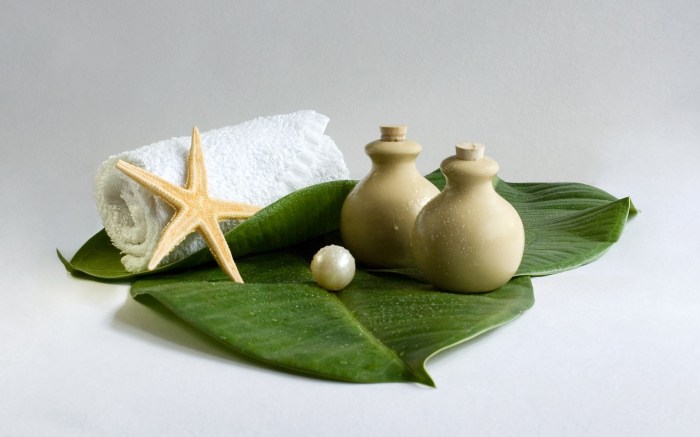
Spa therapy Secrets for Ultimate Bliss and Relaxation

Spa hd treatments wallpaper wallpapers features riches wallpapersafari photography still life deira center full desktop near massage wellness computer alexandria

Welcome to the magical realm of Spa therapy, where your stress takes a vacation, and your worries check in but never check out! Imagine a world where soothing massages, delightful facials, and aromatherapy collide in a blissful explosion of tranquility. Sound like a fantasy? Well, buckle up because we’re about to embark on a whimsical journey through the land of relaxation that not only pampers your body but also gives your mind a well-deserved hug.

Spa therapy isn’t just about lounging in plush robes and sipping herbal tea; it’s a treasure trove of benefits for both mental and physical health. Picture this: a menu filled with a variety of treatments from rejuvenating massages to invigorating scrubs, all designed to melt away tension like butter on a hot summer day. Get ready to explore the electrifying connection between spa therapy, skincare, and wellness practices that will elevate your self-care game to new heights!

Spa Therapy Overview

Spa therapy is not just about soaking in a tub of water infused with lavender and pretending to be a mermaid; it’s a holistic approach to boosting both mental and physical health. Imagine a world where stress melts away faster than ice cream on a hot day! Spa therapy encompasses a variety of treatments designed to pamper you while also addressing emotional and physical well-being.

From soothing massages to revitalizing facials, spa therapy offers a gateway to relaxation, allowing individuals to escape the daily grind and rejuvenate their spirits.The benefits of spa therapy extend far beyond mere relaxation. Regular visits to a spa can improve circulation, alleviate muscle tension, and promote better sleep. Studies have shown that spa treatments can significantly lower cortisol levels, the sneaky little hormone that spikes during stress.

Moreover, indulging in a spa day can lift your mood, reduce anxiety, and even ignite your creative spark. It’s like giving your mind and body a much-needed vacation!

Types of Spa Treatments

When it comes to spa treatments, the options are as diverse as a box of chocolates—each with its unique flavor and benefits. Here’s a glimpse into some of the most popular types of spa treatments that you can experience:

  • Massage Therapy: This classic treatment uses different techniques like Swedish, deep tissue, or hot stone to ease tension and promote relaxation. Picture a skilled therapist kneading your knots away—pure bliss!
  • Facials: A little TLC for your face, facials cleanse, exfoliate, and hydrate your skin. Whether you opt for a hydrating or anti-aging facial, your complexion will thank you for the indulgence.
  • Body Treatments: These include body scrubs and wraps that detoxify and rejuvenate your skin. Imagine being cocooned in a blend of sea salt and essential oils while you sip on a refreshing cucumber water.
  • Hydrotherapy: From hot tubs to steam rooms, hydrotherapy utilizes the power of water to relieve stress and soothe sore muscles. Just think of it as a warm hug from Mother Nature!
  • Aromatherapy: This treatment combines the benefits of essential oils with massage or baths to enhance physical and emotional well-being. Smell your way to serenity with scents like lavender, eucalyptus, or vanilla.

Each treatment plays a crucial role in promoting relaxation, reducing stress levels, and improving overall health.

“Relaxation is the cornerstone of wellness; spa therapy provides the perfect escape to achieve it.”

Embarking on a spa therapy journey can be a transformative experience. Not only does it pamper your body, but it also nurtures your mind, fostering a sense of peace and balance that often eludes us in our fast-paced lives. So, the next time stress tries to rear its ugly head, consider treating yourself to the healing touch of a spa day!

Spa Therapy and Skin Care

Spa therapy

Indulging in spa therapy is like giving your skin a mini-vacation, with treatments designed to pamper and rejuvenate. From luxurious facials to invigorating body scrubs, spa therapy offers a holistic approach to skin care that goes beyond mere cleansing and moisturizing. Let’s dive into the delightful world of skin care treatments commonly offered in spa therapy and how to seamlessly incorporate them into your regular routine.

Common Skin Care Treatments Offered in Spa Therapy

Spa therapy features a smorgasbord of skin care treatments that can tackle everything from dry patches to pesky wrinkles. The magical hands of trained estheticians wield a variety of treatments, each tailored to cater to your skin’s unique needs. Here’s a lineup of popular skin care treatments you might find at your local spa:

  • Custom Facials: Tailored treatments that address specific skin concerns, such as hydration, acne, or aging, using a blend of cleansing, exfoliating, and nourishing products.
  • Exfoliating Scrubs: These treatments slough off dead skin cells, revealing the fresh, radiant skin underneath. Think of it as your skin’s reset button!
  • Hydrating Masks: Infused with rich moisturizers and nutrients, these masks envelop your skin in a moisturizing hug, perfect for parched complexions.
  • Anti-Aging Treatments: Packed with potent ingredients like retinol and antioxidants, these treatments aim to smooth fine lines and restore youthful glow.
  • Microdermabrasion: This non-invasive procedure exfoliates your skin using tiny crystals, helping to reduce the appearance of scars and fine lines.
  • LED Light Therapy: Utilizing different wavelengths of light, this cutting-edge technology targets various skin issues, from acne to pigmentation.

These treatments not only pamper your skin but also boost your confidence, making you feel like a million bucks—even if your bank account says otherwise!

Incorporating Spa Therapy into Your Regular Skincare Routine

Integrating spa therapy into your skincare routine doesn’t require a fairy godmother—just a sprinkle of planning and a dash of self-love! Here’s how you can make those spa vibes a regular part of your life:

  • Schedule Regular Treatments: Aim for monthly or bi-monthly visits to your favorite spa for a facial or treatment, ensuring your skin gets the care it deserves.
  • At-Home Rituals: Recreate the spa experience at home with DIY masks and scrubs inspired by your treatments. Just remember not to use the whole jar of honey—less is more!
  • Follow-Up Skincare: Post-treatment, stick to your esthetician’s recommendations for products and routines to maintain your spa-fresh glow.
  • Hydration is Key: Drink plenty of water! It’s the simplest trick to keep your skin as plump as a well-fed marshmallow.
  • Mindfulness Matters: Engage in relaxation techniques like meditation or yoga, as stress can wreak havoc on your skin.

By blending these practices into your lifestyle, you can keep the spirit of the spa alive right in your own bathroom!

Effectiveness of Spa Treatments Versus At-Home Skincare Practices

When it comes to the age-old debate of spa treatments versus at-home skincare practices, there’s no need for a dramatic showdown—each has its merits! Spa treatments typically offer deeper, professional-grade care that at-home routines may not match. Let’s break it down:

Aspect Spa Treatments At-Home Skincare
Professional Expertise Guidance from trained estheticians who know your skin’s needs Learning curve, may require research and trial-and-error
Product Potency Access to high-quality, concentrated formulas Variety, but often less powerful than spa products
Immediate Results Visible improvements often seen right after treatment Results may take time and consistency to see
Relaxation A blissful escape with pampering experiences Can be relaxing, but often interrupted by life’s demands

In summary, spa treatments are like a power-up for your skin, providing targeted solutions and instant gratification, while at-home skincare allows for ongoing maintenance and creativity. Combining both can set you on the path to skin nirvana—who wouldn’t want that?

Integrating Spa Therapy with Wellness Practices

Spa hd treatments wallpaper wallpapers features riches wallpapersafari photography still life deira center full desktop near massage wellness computer alexandria

When it comes to achieving zen-like bliss, spa therapy is not just a standalone superhero; it works best when teamed up with its sidekicks, yoga and meditation. Combining these practices creates an all-encompassing wellness experience that can elevate your physical and mental state faster than you can say “Namaste.” So, grab your favorite scented oil and let’s dive into how to blend these practices seamlessly.

Combining Spa Therapy with Yoga and Meditation

Integrating spa therapy with yoga and meditation can amplify the benefits of both, leading to greater relaxation and rejuvenation. This powerful trio promotes not only a calm mind but also a toned body, perfect for those who suffer from the daily grind of life.To ensure a harmonious blend, consider the following elements:

  • Synergistic Sessions: Start with yoga to limber up those muscles, then slide into a soothing massage that targets the knots you’ve knotted during your downward dog.
  • Guided Meditation: Post-spa, indulge in a guided meditation that allows you to process the relaxation experienced during your treatments. Think of it as your “mental dessert.”
  • Aromatherapy: Use essential oils during yoga and meditation that complement the spa experience. Lavender for calming, citrus for energizing—it’s a fragrant fiesta!

Impact of Spa Therapy on Sleep Quality and Snoring Issues

The relationship between spa therapy and sleep quality is like the classic love story we all adore—full of ups, downs, but ultimately, a happy ending. Regular spa treatments can significantly improve sleep quality and even tackle those pesky snoring issues as you drift off into la-la land.Consider the following insights:

  • Stress Reduction: Spa treatments reduce cortisol levels and promote relaxation, making it easier to fall asleep like a baby who just got a fresh diaper.
  • Muscle Relaxation: Massages and body wraps alleviate muscle tension, which can often contribute to snoring. Less tension = less snoring! It’s a win-win.
  • Improved Sleep Environment: Many spas incorporate soft lighting and tranquil sounds, creating an ambiance that encourages sleep. Why not recreate this at home?

Health Supplements to Enhance Spa Therapy Benefits

To truly crank your spa therapy experience up to eleven, consider incorporating specific health supplements. These little powerhouses can enhance relaxation, boost hydration, and even promote skin health, making you feel like the radiant rockstar you are.Here are some supplements that pair perfectly with your spa therapy:

  • Magnesium: Known for its muscle-relaxing properties, magnesium can help you unwind, making it easier to float away during your spa session.
  • Omega-3 Fatty Acids: These anti-inflammatory heroes can improve skin health, making you feel like you’ve just stepped off a magazine cover.
  • Melatonin: A natural sleep aid, melatonin can help regulate your sleep cycles and enhance the sleep-inducing effects of your spa therapy.

Concluding Remarks

In conclusion, Spa therapy is not just an escape; it’s a lifestyle choice that invites you to embrace well-being in every facet of your life. Whether you’re a self-care rookie or a seasoned spa veteran, integrating these rejuvenating treatments with relaxation techniques can create a symphony of serenity that resonates long after your visit. So go ahead, treat yourself to a slice of blissful heaven—you deserve it!

Key Questions Answered

What should I expect during a spa therapy session?

Expect to be pampered like royalty! You’ll typically receive a consultation, followed by your chosen treatment in a serene environment, with soothing music and aromatic scents.

How often should I indulge in spa therapy?

That depends on your schedule and budget! For most, a monthly visit works wonders, but if you can swing weekly, go for it!

Can I benefit from spa therapy at home?

Absolutely! DIY spa days with a bubble bath, face masks, and massages can be incredibly beneficial. Just don’t forget the cucumber slices for your eyes!

Are spa treatments safe for everyone?

Most treatments are safe, but if you have specific health concerns, it’s always wise to consult with your doctor beforehand.

Do I need to book a spa treatment in advance?

Yes, it’s a good idea! Popular spas can fill up quickly, especially on weekends. Book ahead to secure your spot in paradise!

Sleep quality Unleashing the Power of Zzzs

Sleep quality

If sleep were a superhero, it would be the undisputed champion of health and wellness, swooping in to save the day while we snooze! Sleep quality is no mere bedtime story; it’s the secret ingredient behind glowing skin, sharp minds, and a robust immune system. As we dive into the land of slumber, we’ll discover how our nightly adventures—or misadventures—can make or break our well-being.

From the relationship between sleep and mental health to the surprising effects on our skin and immunity, sleep quality is the unsung hero of our daily lives. Struggling with puffiness or chronic conditions? Fear not! We’ll cover how to transform your night into a rejuvenating escapade that leaves you refreshed and ready to conquer the world—one pillow at a time.

Sleep Quality and Overall Health

Sleep is often seen as the ultimate luxury in today’s fast-paced world, but it’s more like your body’s nightly spa treatment, crucial for overall health. Quality sleep is not just about counting sheep; it’s a vital ingredient in the recipe for a healthy and happy life. Imagine your brain as a computer that needs rebooting every night to function optimally; without that rest, it can crash harder than a Windows 95 machine after too many pop-up ads.

Mental Health and Sleep Quality

The connection between sleep quality and mental health is as strong as a double espresso on a Monday morning. Poor sleep can lead to heightened anxiety, depression, and irritability, creating a vicious cycle where mental health issues further compromise sleep quality. When the brain doesn’t get enough quality rest, it can’t properly regulate mood and emotions, much like trying to bake a soufflé with expired ingredients.

Studies have shown that people with insomnia are ten times more likely to develop depression, emphasizing the importance of those nightly Zzz’s.

Impact of Sleep on Physical Health and Immune Function

Sleep acts as a powerful immune booster, akin to a superhero cape for your body. Quality sleep supports various physiological functions and helps maintain a strong immune system. When you skimp on sleep, your body’s ability to fend off infections diminishes, making you feel like a sitting duck in a shooting gallery. Research indicates that those who get less than seven hours of sleep are three times more likely to catch a cold than those who prioritize their shut-eye.

This happens because sleep helps produce cytokines, proteins that combat infection and inflammation.

Effects of Poor Sleep on Chronic Conditions

The dark cloud of poor sleep looms large over chronic conditions like diabetes and heart disease. Poor sleep can wreak havoc on insulin sensitivity, making it harder for the body to manage blood sugar levels, which is a red flag for diabetes. In fact, a study published in the journal “Diabetes Care” found that sleep deprivation could lead to a 23% increase in the risk of developing type 2 diabetes.

Similarly, the heart isn’t a fan of sleep deprivation; studies suggest that insufficient sleep can lead to high blood pressure, increased stress levels, and inflammation, all of which are major culprits behind heart disease.

“Sleep is the best meditation.” – Dalai Lama

In summary, sleep quality is crucial not just for a good mood but also for a well-functioning, healthy body. The next time you’re tempted to binge-watch that series instead of hitting the hay, remember: quality sleep is your secret weapon against illness, stress, and mood swings. So, tuck yourself in and let your body do the magic of healing while you dream of unicorns and rainbows.

Sleep Quality and Skin Care

Sleep quality

Sleep is like a magical elixir for our skin. It’s during those precious hours of slumber that our skin gets a chance to repair itself, rejuvenate, and prepare for the next day’s adventures. If you’ve ever wondered why you look like a snack after a full night’s rest, it’s because your skin is busy working hard while you dream of unicorns and rainbows.

Let’s dive into how sleep quality impacts skin health and what you can do to keep your complexion glowing like a freshly polished apple.

Impacts of Sleep on Skin Health and Appearance

A good night’s sleep can transform your skin from drab to fab, while poor sleep can leave you looking like you just ran a marathon in the Sahara Desert. Lack of sleep can lead to increased stress hormones like cortisol, which may result in breakouts, dullness, and even premature aging. Your skin relies on sleep to boost collagen production, repair damage, and maintain hydration levels.

Think of sleep as your skin’s BFF, always there to lend a hand (and a lot of moisture) when needed. Here are some key points about how sleep and skin health are intertwined:

  • Decreased inflammation: Quality sleep helps reduce redness and puffiness, giving your skin a calm and collected vibe.
  • Enhanced hydration: Your skin can absorb moisture better at night, leading to a plump and dewy glow.
  • Fewer dark circles: Quality sleep prevents those pesky bags under your eyes from auditioning for a role in a horror movie.
  • Improved elasticity: Sleep allows your skin to repair itself, maintaining its firmness and preventing sagging.

Skincare Routine Enhancing Skin Quality at Night

A nighttime skincare routine is like tucking your skin into bed with a cozy blanket. It’s essential to create a regimen that not only cleanses but also nourishes and rejuvenates your skin while you sleep. Here’s a step-by-step guide to an effective nighttime skincare routine that enhances skin quality:

  1. Cleanse: Start by washing away the day’s grime, makeup, and stress. A gentle cleanser will do the trick, leaving your skin fresh and ready for action.
  2. Exfoliate: A few times a week, use a mild exfoliant to slough off dead skin cells. This allows your skincare products to penetrate deeper and work their magic.
  3. Tone: Apply a hydrating toner to balance your skin’s pH levels and prep it for the following products.
  4. Serum: Choose a serum packed with active ingredients like hyaluronic acid or retinol to target specific concerns while you snooze.
  5. Moisturize: Seal in the goodness with a rich night cream or oil that locks in moisture and helps your skin repair itself overnight.
  6. Eye cream: Don’t forget the delicate eye area. A nourishing eye cream can work wonders while you dream.

Methods to Prevent Sleep-Related Skin Issues

Even the best of us can experience sleep-related skin issues, like puffiness that could rival the Michelin Man or acne that seems to have an audition for the next blockbuster. But fear not! There are some easy methods to keep your skin looking its best while you catch those Z’s:

  • Sleep on your back: This position reduces pressure on your face, helping to prevent those sleep lines that can become permanent roommates.
  • Use a silk pillowcase: Silk is gentler on your skin than cotton, helping to reduce friction and prevent breakouts.
  • Stay hydrated: Drink plenty of water throughout the day to keep your skin hydrated and plump, so it doesn’t feel like the Sahara by morning.
  • Limit screen time: Reduce exposure to blue light before bed to improve sleep quality, which in turn helps your skin repair itself.

“A good laugh and a long sleep are the best cures in the doctor’s book.” – Irish Proverb

Sleep Quality and Wellness Practices

Sleep quality

In the quest for the perfect snooze, wellness practices can be your trusty sidekicks, much like a superhero team ready to battle insomnia. Imagine soothing spa treatments, calming yoga sessions, and a magical list of supplements that join forces to elevate your sleep quality. Together, they can transform your nightly routine from a restless auto-pilot into a serene, dreamy voyage!

Spa Treatments and Sleep Quality

Indulging in spa treatments is akin to giving your body a warm hug and telling it, “Hey, you deserve some serious pampering!” Spa therapies, such as massages, aromatherapy, and hydrotherapy have been found to significantly enhance sleep quality. Massage therapy, in particular, not only loosens those tight muscles but also stimulates the production of serotonin, paving the way for melatonin—the hormone that welcomes sleep like an old friend.

Imagine floating in a warm, bubbly hot tub with lavender essential oil wafting through the air—the very essence of relaxation! Hydrotherapy can decrease muscle tension and promote relaxation, while aromatherapy wraps you in a fragrant cocoon, sending you off to dreamland. When you leave the spa, you’re not just refreshed; you’re practically a sleep ninja, ready to conquer the night!

Yoga and Sleep Promotion

Yoga isn’t just about fancy poses and Instagram-worthy mats; it’s a sleep superhero in disguise! Practicing yoga helps to quiet the mind, reduce anxiety, and stretch out the knots of tension built up over the day. Incorporating gentle yoga routines into your evening ritual can significantly improve your sleep quality. The magic of yoga lies in its breathing techniques, which act as lullabies to your nervous system.

Poses like Child’s Pose and Legs-Up-The-Wall help lower cortisol levels and encourage relaxation. So, if you find yourself tossing and turning, try striking a pose (not the celebrity kind), and let your worries melt away.

Supplements Supporting Sleep Quality

When it comes to sleep-enhancing supplements, think of them as your friendly neighborhood sleep aids—each with its own unique powers to help you drift off. Here’s a fabulous lineup of supplements that can lend a hand in achieving peaceful slumber:

  • Melatonin: This hormone regulates sleep-wake cycles and can be particularly useful for adjusting to new time zones or combating sporadic sleep schedules.
  • Magnesium: Promotes relaxation by calming the nervous system and aiding muscle recovery, making your body feel like a cozy blanket at bedtime.
  • L-Theanine: Found in tea leaves, this amino acid soothes the mind, helping you feel calm and ready for dreamland.
  • Valerian Root: Known for its sedative properties, this herbal supplement has been used for centuries to promote relaxation and improve sleep quality.
  • Chamomile: Often enjoyed as a tea, chamomile has mild sedative effects that can help ease you into a peaceful sleep.

These supplements can be the missing puzzle pieces in your sleep quality journey. Just remember to consult with a healthcare professional before diving into any supplement regimen to ensure it fits your unique sleep needs like a glove!

Conclusion

In conclusion, sleep quality is not just a matter of counting sheep; it’s about waking up to a life brimming with vitality and joy. Whether you’re indulging in a soothing spa treatment, stretching your way into dreamland with yoga, or arming yourself with sleep-friendly supplements, every step you take toward better sleep can lead to a happier, healthier you. So, tuck yourself in, let the dreams come alive, and remember: life is too short to skimp on beauty sleep!

FAQs

What are the signs of poor sleep quality?

Common signs include daytime fatigue, irritability, difficulty concentrating, and waking up feeling unrefreshed.

How many hours of sleep do I need for optimal sleep quality?

Most adults require 7 to 9 hours of quality sleep per night for optimal health and functioning.

Can napping improve sleep quality?

Yes, short naps can enhance alertness and reduce fatigue, but long naps may interfere with nighttime sleep.

Do sleep environments affect sleep quality?

Absolutely! A dark, quiet, and cool environment promotes better sleep quality.

Can I improve sleep quality with diet?

Yes, a balanced diet rich in sleep-friendly foods—like cherries, bananas, and whole grains—can enhance sleep quality.