Yoga therapy Unleashing the Power of Mind and Body

Yoga therapy

Welcome to the whimsical world of yoga therapy, where downward dog isn’t just a pose, but a path to wellness! Imagine a place where your body gets a soothing hug and your mind gets a vacation, all while you gracefully bend and twist like a pretzel. Yoga therapy isn’t just about striking poses; it’s a holistic approach that dances between physical and mental health, promising to sprinkle a little zen into your daily grind.

This enchanting practice marries various yoga techniques with therapeutic principles, offering a menu of health benefits that cater to your body and soul. From improving sleep quality to boosting skin health, yoga therapy is like that trusty Swiss Army knife in your wellness toolbox, ready to tackle whatever life throws your way!

Yoga Therapy Basics

Yoga therapy

Yoga therapy is not just about striking a pose and pretending to be a pretzel; it’s a holistic practice that combines the physical and mental benefits of yoga with the expertise of trained therapists. This transformative approach aims to address specific health issues, promote healing, and enhance overall well-being. By harnessing the ancient wisdom of yoga while integrating modern therapeutic principles, yoga therapy provides a unique pathway to wellness that can be tailored to individual needs.

The principles of yoga therapy revolve around the idea that the mind and body are intricately connected. Practitioners engage in various yoga techniques to restore balance and cultivate mindfulness. This can include breathing exercises, meditation, and asana (postures) that help release stress and promote relaxation. Unlike traditional yoga classes, which often focus on physical fitness, yoga therapy is specifically designed to support physical, emotional, and spiritual healing.

Types of Yoga Therapy Practices

Yoga therapy encompasses a diverse array of practices, each uniquely designed to address specific needs and health concerns. Understanding these practices can significantly enhance the therapeutic experience.

  • Hatha Yoga Therapy: This practice focuses on physical postures (asanas) and breathing techniques (pranayama) to improve physical health and mental clarity. A good choice for those looking to loosen up their tight muscles after a long day of sitting at desks, Hatha yoga promotes strength and flexibility. It’s like a gentle nudge for your body to remember how to move without sounding like a creaking door.

  • Restorative Yoga Therapy: Picture lying on a bolster, wrapped in blankets, and sipping tea while someone whispers sweet nothings to your muscles. Restorative yoga is all about relaxation and deep rest, utilizing props to support the body and encourage a state of calmness. Perfect for those who thrive on comfort, this practice invites you to embrace your inner sloth—preferably without the slime!
  • Kundalini Yoga Therapy: This practice awakens the dormant energy within you, often referred to as ‘Kundalini.’ Through specific breathing techniques, chants, and movements, Kundalini yoga aims to elevate your consciousness. Think of it as the spiritual espresso shot you didn’t know you needed to wake up your inner warrior.
  • Viniyoga Therapy: This approach tailors the practice to the individual’s specific needs, making it particularly effective for rehabilitation and recovery. Viniyoga adapts postures, breathing, and meditation techniques based on the person’s condition. It’s kind of like having a yoga personal trainer who knows you better than your mom does!

Benefits of Yoga Therapy for Physical and Mental Health

Yoga therapy comes with a treasure trove of benefits that can improve both physical and mental health. Engaging in this therapeutic practice can lead to profound changes in your overall state of being.

“Yoga therapy is like a Swiss Army knife for your health—versatile, effective, and surprisingly handy!”

Physical benefits of yoga therapy include:

  • Enhanced flexibility and strength, making you feel like a yoga superhero (cape optional).
  • Improved balance and coordination, reducing the risk of falls and mishaps, so you don’t end up looking like a clumsy giraffe.
  • Relief from chronic pain conditions such as arthritis, sciatica, and back pain, allowing you to bid farewell to those pesky aches and pains.
  • Better posture, helping you keep your head held high (or at least higher than your smartphone).

On the mental health front, the advantages are equally impressive:

  • Reduced anxiety levels, making you less likely to spiral into a state of existential dread while waiting for your coffee to brew.
  • Improved mood and emotional regulation, helping you stay calm even when your Wi-Fi goes down—gasp!
  • Increased mindfulness and self-awareness, enabling you to navigate life’s chaos with the grace of a swan (or at least a well-coordinated penguin).
  • Better sleep quality, transforming you from a night owl into a well-rested morning person who might even greet the sunrise with a smile.

Yoga Therapy Applications

Yoga therapy isn’t just about twisting and bending into pretzel shapes; it’s a holistic approach that can take your health, skin, sleep, and spa experience from “meh” to “magnificent!” Let’s dive into the various applications of yoga therapy and discover how it can be your skin’s best friend, your sleep’s superhero, and a cozy companion in your wellness routine.

Yoga Therapy and Skin Care

The skin is your body’s largest organ, and just like a well-tended garden, it needs care and attention to flourish. Yoga therapy can significantly influence skin health by promoting better circulation, reducing stress, and enhancing detoxification. When your body is aligned, calm, and functioning harmoniously, it shows on your skin like a radiant glow.

“Healthy skin is a reflection of overall wellness.”

Practicing specific yoga poses can facilitate better blood flow, which nourishes skin cells and helps eliminate toxins. Consider the following methods:

  • Pranayama (Breath Control): Techniques like Nadi Shodhana (alternate nostril breathing) can enhance oxygen flow and promote relaxation, which can help in reducing stress-induced breakouts.
  • Inversions: Poses such as Downward Dog and Shoulder Stand increase circulation to the face, bringing that natural rosy glow.
  • Facial Yoga: Yes, it exists! Gentle facial exercises can help tone facial muscles, improve elasticity, and keep the skin looking youthful.

Yoga Therapy for Improved Sleep and Snoring Reduction

Sleep is like the Wi-Fi of our health; without a strong connection, everything just doesn’t work right. Yoga therapy can be a secret weapon in your quest for a good night’s sleep and snoring solutions. The calming nature of yoga helps soothe the nervous system, paving the way for restful slumber.

“Sleep is the best meditation.” – Dalai Lama

Integrating yoga into your nighttime routine can be transformative. Here are some techniques to enhance sleep quality and curb those snoring sounds:

  • Relaxation Techniques: Poses like Child’s Pose and Legs-Up-the-Wall promote relaxation and help ease tension in the body.
  • Restorative Yoga: Incorporating a few restorative poses before bed can help calm the mind and prepare your body for sleep.
  • Breath Work: Practicing deep, slow breathing can help clear nasal passages, potentially reducing snoring by keeping airways open while you dream.

Role of Yoga Therapy in Spa and Wellness Routines

Yoga therapy is the cherry on top of your wellness sundae. Spas have recognized its potential to enhance relaxation and rejuvenate the body. Integrating yoga therapy into spa treatments offers a unique blend of physical, mental, and spiritual benefits, creating a holistic experience.

“Wellness is a connection of paths: knowledge and action.”

The addition of yoga therapy into your spa day can enhance your experience in several ways:

  • Pre-Treatment Yoga: A short yoga session can prepare your body for treatments by loosening muscles and increasing circulation, making massages more effective.
  • Post-Treatment Meditation: Following your spa treatments with guided meditation can help extend the relaxation benefits and promote inner peace.
  • Mind-Body Connection: Incorporating yoga practices helps in developing mindfulness, making you more aware of your body’s responses during spa treatments.

Yoga Therapy and Health Issues

Yoga therapy isn’t just about bending and stretching like a pretzel; it’s a holistic approach that can tackle a variety of health issues with a flourish. From aiding recovery in speech pathology to managing women’s health concerns, yoga therapy has proven to be a remarkable companion in the journey of recovery and wellness. Let’s delve into this multi-faceted world where mats meet medicine!

Support for Speech Pathology Recovery

Yoga therapy offers unique benefits for those recovering from speech pathologies, acting like a supportive friend who hands you a cup of herbal tea after a long day. The breath control techniques central to yoga can enhance lung capacity and respiratory function, which are essential for clear speech. Furthermore, the mindful practices in yoga help reduce anxiety, often a barrier for those working on their speech.

Here’s how yoga therapy can specifically support this recovery:

  • Breath Awareness: Techniques like pranayama help strengthen the respiratory system and improve articulation.
  • Relaxation Techniques: Reducing stress can lead to better speech production; yoga’s calming poses and meditation can help.
  • Improved Focus: Enhancing concentration through yoga can lead to clearer speech patterns and better communication skills.

“Breathe in confidence, breathe out doubt.”

Integration of Yoga Therapy in Health and Supplements

Combining yoga therapy with health supplements is like pairing a fine wine with a gourmet meal. Each enhances the other’s benefits, leading to a more comprehensive approach to health. Yoga therapy emphasizes not just physical wellness but also promotes a balanced lifestyle, making it a perfect companion for any health regimen.Consider the following supplements that can be harmoniously integrated with yoga therapy for a boost in overall health:

  • Omega-3 Fatty Acids: Great for cardiovascular health; practicing yoga can enhance circulation and flexibility.
  • Vitamin D: Essential for bone health; regular yoga sessions can help improve strength and balance, complementing Vitamin D’s benefits.
  • Magnesium: Supports muscle function; yoga can aid in alleviating muscle tension and cramps.

“Good health is a combination of body, mind, and a little bit of yoga.”

Management of Women’s Health Issues

Women’s health issues can sometimes feel like a rollercoaster; yoga therapy can be the seatbelt that keeps you secure and grounded. From menstrual discomfort to menopause symptoms, yoga therapy provides tools for managing these challenges gracefully.Here are key ways yoga therapy can assist:

  • Pain Relief: Poses that target the pelvic region can alleviate menstrual cramps and improve overall comfort.
  • Emotional Balance: Yoga promotes emotional well-being, which can ease symptoms of PMS and emotional fluctuations during menopause.
  • Hormonal Regulation: Practicing yoga may help balance hormones, potentially reducing symptoms associated with hormonal changes.

“Find your balance; it’s not just about standing on one leg.”

Yoga Therapy’s Role in Weight Loss and Thyroid Health Management

When it comes to shedding those pesky pounds while nurturing thyroid health, yoga therapy is like a gentle nudge in the right direction instead of a harsh shove. Incorporating yoga into a weight loss strategy can be both effective and enjoyable—imagine losing weight without the dreaded treadmill!Consider the following aspects of yoga therapy in this context:

  • Increased Metabolism: Certain yoga poses stimulate thyroid function, which can help regulate metabolism.
  • Mindful Eating: Yoga promotes awareness and mindfulness, which can reduce binge eating and emotional eating habits.
  • Stress Reduction: Lowering cortisol levels through yoga can prevent stress-related weight gain, particularly around the belly.

“Inhale confidence, exhale weight!”

Last Recap

Yoga therapy

In summary, yoga therapy is not just a fad; it’s a flourishing universe that encourages us to embrace our quirks and imperfections while nurturing our well-being. With its diverse applications – from managing women’s health issues to aiding speech pathology recovery – yoga therapy is here to remind us that wellness isn’t a destination; it’s a journey filled with laughter, flexibility, and maybe a few unintended face plants.

So roll out that mat and join the therapy party; your body will thank you!

Commonly Asked Questions

What is the difference between yoga and yoga therapy?

Yoga is a practice focused on physical postures and breathing, while yoga therapy integrates these elements with specific healing techniques tailored to individual health concerns.

Can beginners practice yoga therapy?

Absolutely! Yoga therapy is accessible for everyone, regardless of experience level, and can be adapted to suit individual abilities and needs.

How often should I do yoga therapy for optimal results?

Consistency is key! Aim for at least 2-3 sessions per week, but remember to listen to your body and adjust as needed.

Is yoga therapy covered by health insurance?

Some health insurance plans may cover yoga therapy, especially if it’s recommended by a healthcare professional, but it’s best to check with your provider.

Can yoga therapy help with anxiety and stress?

Yes! Yoga therapy incorporates breathing techniques and mindfulness that are proven to reduce anxiety and stress levels, helping you find your inner calm.

Spa therapy Secrets for Ultimate Bliss and Relaxation

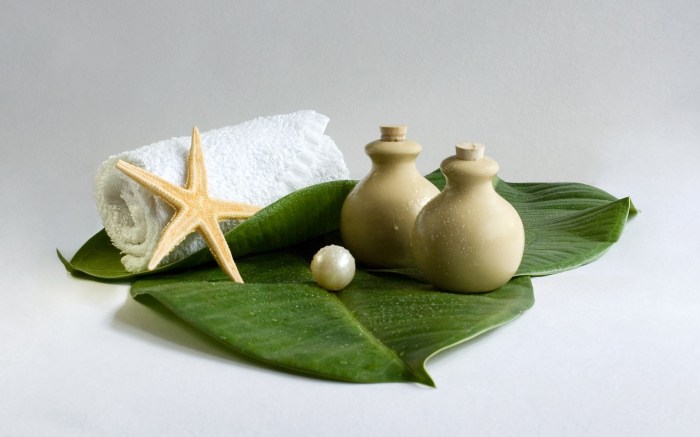
Spa hd treatments wallpaper wallpapers features riches wallpapersafari photography still life deira center full desktop near massage wellness computer alexandria

Welcome to the magical realm of Spa therapy, where your stress takes a vacation, and your worries check in but never check out! Imagine a world where soothing massages, delightful facials, and aromatherapy collide in a blissful explosion of tranquility. Sound like a fantasy? Well, buckle up because we’re about to embark on a whimsical journey through the land of relaxation that not only pampers your body but also gives your mind a well-deserved hug.

Spa therapy isn’t just about lounging in plush robes and sipping herbal tea; it’s a treasure trove of benefits for both mental and physical health. Picture this: a menu filled with a variety of treatments from rejuvenating massages to invigorating scrubs, all designed to melt away tension like butter on a hot summer day. Get ready to explore the electrifying connection between spa therapy, skincare, and wellness practices that will elevate your self-care game to new heights!

Spa Therapy Overview

Spa therapy is not just about soaking in a tub of water infused with lavender and pretending to be a mermaid; it’s a holistic approach to boosting both mental and physical health. Imagine a world where stress melts away faster than ice cream on a hot day! Spa therapy encompasses a variety of treatments designed to pamper you while also addressing emotional and physical well-being.

From soothing massages to revitalizing facials, spa therapy offers a gateway to relaxation, allowing individuals to escape the daily grind and rejuvenate their spirits.The benefits of spa therapy extend far beyond mere relaxation. Regular visits to a spa can improve circulation, alleviate muscle tension, and promote better sleep. Studies have shown that spa treatments can significantly lower cortisol levels, the sneaky little hormone that spikes during stress.

Moreover, indulging in a spa day can lift your mood, reduce anxiety, and even ignite your creative spark. It’s like giving your mind and body a much-needed vacation!

Types of Spa Treatments

When it comes to spa treatments, the options are as diverse as a box of chocolates—each with its unique flavor and benefits. Here’s a glimpse into some of the most popular types of spa treatments that you can experience:

  • Massage Therapy: This classic treatment uses different techniques like Swedish, deep tissue, or hot stone to ease tension and promote relaxation. Picture a skilled therapist kneading your knots away—pure bliss!
  • Facials: A little TLC for your face, facials cleanse, exfoliate, and hydrate your skin. Whether you opt for a hydrating or anti-aging facial, your complexion will thank you for the indulgence.
  • Body Treatments: These include body scrubs and wraps that detoxify and rejuvenate your skin. Imagine being cocooned in a blend of sea salt and essential oils while you sip on a refreshing cucumber water.
  • Hydrotherapy: From hot tubs to steam rooms, hydrotherapy utilizes the power of water to relieve stress and soothe sore muscles. Just think of it as a warm hug from Mother Nature!
  • Aromatherapy: This treatment combines the benefits of essential oils with massage or baths to enhance physical and emotional well-being. Smell your way to serenity with scents like lavender, eucalyptus, or vanilla.

Each treatment plays a crucial role in promoting relaxation, reducing stress levels, and improving overall health.

“Relaxation is the cornerstone of wellness; spa therapy provides the perfect escape to achieve it.”

Embarking on a spa therapy journey can be a transformative experience. Not only does it pamper your body, but it also nurtures your mind, fostering a sense of peace and balance that often eludes us in our fast-paced lives. So, the next time stress tries to rear its ugly head, consider treating yourself to the healing touch of a spa day!

Spa Therapy and Skin Care

Spa therapy

Indulging in spa therapy is like giving your skin a mini-vacation, with treatments designed to pamper and rejuvenate. From luxurious facials to invigorating body scrubs, spa therapy offers a holistic approach to skin care that goes beyond mere cleansing and moisturizing. Let’s dive into the delightful world of skin care treatments commonly offered in spa therapy and how to seamlessly incorporate them into your regular routine.

Common Skin Care Treatments Offered in Spa Therapy

Spa therapy features a smorgasbord of skin care treatments that can tackle everything from dry patches to pesky wrinkles. The magical hands of trained estheticians wield a variety of treatments, each tailored to cater to your skin’s unique needs. Here’s a lineup of popular skin care treatments you might find at your local spa:

  • Custom Facials: Tailored treatments that address specific skin concerns, such as hydration, acne, or aging, using a blend of cleansing, exfoliating, and nourishing products.
  • Exfoliating Scrubs: These treatments slough off dead skin cells, revealing the fresh, radiant skin underneath. Think of it as your skin’s reset button!
  • Hydrating Masks: Infused with rich moisturizers and nutrients, these masks envelop your skin in a moisturizing hug, perfect for parched complexions.
  • Anti-Aging Treatments: Packed with potent ingredients like retinol and antioxidants, these treatments aim to smooth fine lines and restore youthful glow.
  • Microdermabrasion: This non-invasive procedure exfoliates your skin using tiny crystals, helping to reduce the appearance of scars and fine lines.
  • LED Light Therapy: Utilizing different wavelengths of light, this cutting-edge technology targets various skin issues, from acne to pigmentation.

These treatments not only pamper your skin but also boost your confidence, making you feel like a million bucks—even if your bank account says otherwise!

Incorporating Spa Therapy into Your Regular Skincare Routine

Integrating spa therapy into your skincare routine doesn’t require a fairy godmother—just a sprinkle of planning and a dash of self-love! Here’s how you can make those spa vibes a regular part of your life:

  • Schedule Regular Treatments: Aim for monthly or bi-monthly visits to your favorite spa for a facial or treatment, ensuring your skin gets the care it deserves.
  • At-Home Rituals: Recreate the spa experience at home with DIY masks and scrubs inspired by your treatments. Just remember not to use the whole jar of honey—less is more!
  • Follow-Up Skincare: Post-treatment, stick to your esthetician’s recommendations for products and routines to maintain your spa-fresh glow.
  • Hydration is Key: Drink plenty of water! It’s the simplest trick to keep your skin as plump as a well-fed marshmallow.
  • Mindfulness Matters: Engage in relaxation techniques like meditation or yoga, as stress can wreak havoc on your skin.

By blending these practices into your lifestyle, you can keep the spirit of the spa alive right in your own bathroom!

Effectiveness of Spa Treatments Versus At-Home Skincare Practices

When it comes to the age-old debate of spa treatments versus at-home skincare practices, there’s no need for a dramatic showdown—each has its merits! Spa treatments typically offer deeper, professional-grade care that at-home routines may not match. Let’s break it down:

Aspect Spa Treatments At-Home Skincare
Professional Expertise Guidance from trained estheticians who know your skin’s needs Learning curve, may require research and trial-and-error
Product Potency Access to high-quality, concentrated formulas Variety, but often less powerful than spa products
Immediate Results Visible improvements often seen right after treatment Results may take time and consistency to see
Relaxation A blissful escape with pampering experiences Can be relaxing, but often interrupted by life’s demands

In summary, spa treatments are like a power-up for your skin, providing targeted solutions and instant gratification, while at-home skincare allows for ongoing maintenance and creativity. Combining both can set you on the path to skin nirvana—who wouldn’t want that?

Integrating Spa Therapy with Wellness Practices

Spa hd treatments wallpaper wallpapers features riches wallpapersafari photography still life deira center full desktop near massage wellness computer alexandria

When it comes to achieving zen-like bliss, spa therapy is not just a standalone superhero; it works best when teamed up with its sidekicks, yoga and meditation. Combining these practices creates an all-encompassing wellness experience that can elevate your physical and mental state faster than you can say “Namaste.” So, grab your favorite scented oil and let’s dive into how to blend these practices seamlessly.

Combining Spa Therapy with Yoga and Meditation

Integrating spa therapy with yoga and meditation can amplify the benefits of both, leading to greater relaxation and rejuvenation. This powerful trio promotes not only a calm mind but also a toned body, perfect for those who suffer from the daily grind of life.To ensure a harmonious blend, consider the following elements:

  • Synergistic Sessions: Start with yoga to limber up those muscles, then slide into a soothing massage that targets the knots you’ve knotted during your downward dog.
  • Guided Meditation: Post-spa, indulge in a guided meditation that allows you to process the relaxation experienced during your treatments. Think of it as your “mental dessert.”
  • Aromatherapy: Use essential oils during yoga and meditation that complement the spa experience. Lavender for calming, citrus for energizing—it’s a fragrant fiesta!

Impact of Spa Therapy on Sleep Quality and Snoring Issues

The relationship between spa therapy and sleep quality is like the classic love story we all adore—full of ups, downs, but ultimately, a happy ending. Regular spa treatments can significantly improve sleep quality and even tackle those pesky snoring issues as you drift off into la-la land.Consider the following insights:

  • Stress Reduction: Spa treatments reduce cortisol levels and promote relaxation, making it easier to fall asleep like a baby who just got a fresh diaper.
  • Muscle Relaxation: Massages and body wraps alleviate muscle tension, which can often contribute to snoring. Less tension = less snoring! It’s a win-win.
  • Improved Sleep Environment: Many spas incorporate soft lighting and tranquil sounds, creating an ambiance that encourages sleep. Why not recreate this at home?

Health Supplements to Enhance Spa Therapy Benefits

To truly crank your spa therapy experience up to eleven, consider incorporating specific health supplements. These little powerhouses can enhance relaxation, boost hydration, and even promote skin health, making you feel like the radiant rockstar you are.Here are some supplements that pair perfectly with your spa therapy:

  • Magnesium: Known for its muscle-relaxing properties, magnesium can help you unwind, making it easier to float away during your spa session.
  • Omega-3 Fatty Acids: These anti-inflammatory heroes can improve skin health, making you feel like you’ve just stepped off a magazine cover.
  • Melatonin: A natural sleep aid, melatonin can help regulate your sleep cycles and enhance the sleep-inducing effects of your spa therapy.

Concluding Remarks

In conclusion, Spa therapy is not just an escape; it’s a lifestyle choice that invites you to embrace well-being in every facet of your life. Whether you’re a self-care rookie or a seasoned spa veteran, integrating these rejuvenating treatments with relaxation techniques can create a symphony of serenity that resonates long after your visit. So go ahead, treat yourself to a slice of blissful heaven—you deserve it!

Key Questions Answered

What should I expect during a spa therapy session?

Expect to be pampered like royalty! You’ll typically receive a consultation, followed by your chosen treatment in a serene environment, with soothing music and aromatic scents.

How often should I indulge in spa therapy?

That depends on your schedule and budget! For most, a monthly visit works wonders, but if you can swing weekly, go for it!

Can I benefit from spa therapy at home?

Absolutely! DIY spa days with a bubble bath, face masks, and massages can be incredibly beneficial. Just don’t forget the cucumber slices for your eyes!

Are spa treatments safe for everyone?

Most treatments are safe, but if you have specific health concerns, it’s always wise to consult with your doctor beforehand.

Do I need to book a spa treatment in advance?

Yes, it’s a good idea! Popular spas can fill up quickly, especially on weekends. Book ahead to secure your spot in paradise!

Spa resorts A Journey to Blissful Relaxation

Spa resorts

Spa resorts, the magical havens where the stress of everyday life goes to take a long vacation, offer an array of luxurious experiences that can make anyone feel like royalty. From glistening infinity pools to sumptuous treatments that promise to transform you into a zen-like version of yourself, these retreats are designed to pamper body, mind, and soul. Imagine lounging in a serene environment, surrounded by nature’s beauty, sipping herbal tea while contemplating your next life decision—or maybe just what to have for lunch.

Across the globe, various types of spa resorts beckon with their unique charms, offering everything from holistic wellness programs to specialized treatments tailored for those pesky health concerns. Whether you fancy a rejuvenating facial, a deep tissue massage, or a blissful yoga session overlooking the mountains, spa resorts cater to all your relaxation desires, ensuring every moment spent there is a cherished memory.

Spa Resorts Overview

Spa resorts

Spa resorts are the ultimate escape from the chaos of everyday life, blending relaxation and rejuvenation with a sprinkle of luxury. Globally, these havens provide a variety of wellness experiences tailored to the unique needs of their guests. Whether nestled in the mountains, on a serene beach, or amid lush forests, each resort offers a sanctuary where tranquility reigns supreme and pampering is the order of the day.

Luxury spa resorts typically boast an array of amenities that cater to your every whim. From state-of-the-art fitness centers to serene meditation gardens, every corner whispers relaxation. High-end treatments like hot stone massages, facials infused with gold, and detoxifying body wraps are just the beginning; these resorts often feature gourmet dining options, thermal pools, and even wellness classes ranging from yoga to Tai Chi.

Types of Spa Resorts

Diverse and splendid, spa resorts cater to different tastes and preferences, ensuring that there is a perfect fit for everyone. Here are some common types of spa resorts found around the world:

  • Destination Spas: These are focused on wellness and fitness, offering programs that include fitness classes, healthy cuisine, and spa treatments.
  • Hotel and Resort Spas: Located within a larger hotel, these spas provide services as part of the overall guest experience, often featuring pools and dining options.
  • Medical Spas: Blending medical treatment with spa services, these centers often have licensed professionals offering services like laser hair removal or Botox amidst relaxation treatments.
  • Day Spas: Perfect for quick retreats, day spas focus on providing services that allow guests to unwind without the need for an overnight stay.
  • Eco-Spas: These environmentally conscious resorts focus on sustainable practices while offering treatments inspired by nature, often utilizing organic products.

Amenities in Luxury Spa Resorts

Luxury spa resorts are akin to five-star wellness wonderlands, where every detail has been carefully curated to provide the ultimate pampering experience. The essential amenities typically found in these opulent spaces include:

  • Thermal Pools: Soaking in mineral-rich waters is known to rejuvenate both body and soul. Picture yourself lounging in a heated pool with a view of the sunset—pure bliss!
  • Sauna and Steam Rooms: These facilities detoxify and relax muscles, making them a staple in any spa experience. Who doesn’t love the feeling of melting away stress?
  • Personalized Treatment Rooms: With dim lighting, soothing music, and scents of essential oils, these rooms create the perfect atmosphere for relaxation and rejuvenation.
  • Tranquility Gardens: Outdoor spaces designed for reflection and tranquility often include serene water features, meditation areas, and lush plant life.
  • On-site Wellness Experts: Some resorts offer fitness trainers, nutritionists, and wellness coaches to tailor programs to individual needs.

Importance of Location for Spa Resorts

The location of a spa resort plays a pivotal role in enhancing the overall experience. Natural beauty and tranquility are crucial elements that contribute to the wellness journey. Consider these aspects:

  • Natural Surroundings: Resorts situated in picturesque landscapes, such as mountains or coastlines, allow guests to reconnect with nature, which is known to reduce stress and promote mental clarity.
  • Isolation from Urban Life: Being away from the bustling city noise fosters a sense of peace, enabling guests to fully immerse themselves in relaxation.
  • Climate Considerations: Ideal weather conditions can significantly enhance outdoor activities, making the resort experience more enjoyable, be it sunbathing or hiking.
  • Cultural Immersion: Many resorts incorporate local traditions and healing practices, offering a unique blend of relaxation and cultural enrichment.

Location, location, location! In the world of spa resorts, that mantra rings just as true as in real estate.

Health and Wellness at Spa Resorts

Spa resorts are the ultimate havens where the hustle and bustle of daily life is replaced with tranquility, often accompanied by the soothing sounds of nature and the faint aroma of essential oils wafting through the air. These luxurious retreats not only pamper your body but also rejuvenate your mind and soul, promoting overall health and wellness in a way that’s more effective than a motivational poster in a dentist’s office.

The role of spa resorts in promoting health and wellness is akin to a superhero’s cape fluttering in the wind—vital and transformative. These sanctuaries offer an array of wellness programs tailored to individual needs, encompassing everything from yoga sessions that stretch both body and spirit to meditation practices that promise to clear the mind of the clutter resembling a teenager’s bedroom.

With skilled professionals guiding you, it’s like having a personal trainer for your zen state.

Wellness Programs at Spa Resorts

Spa resorts are renowned for their comprehensive wellness programs designed to enhance physical health, mental clarity, and emotional balance. Engaging in yoga and meditation not only serves as a tool for relaxation but also helps in improving flexibility and reducing stress. Here’s a glimpse into the types of wellness activities available:

  • Yoga Classes: Whether you’re a bending contortionist or someone who struggles to touch their toes, yoga classes cater to all levels, focusing on breath control and postures that can make you feel like a pretzel—only a happy, relaxed pretzel.
  • Meditation Sessions: Guided meditation helps participants reach a state of tranquility, allowing them to disconnect from the world. Picture yourself floating in a serene sea of calmness while your thoughts drift away like dandelion seeds in the wind.
  • Wellness Workshops: These can range from nutrition lectures to stress-management techniques, equipping you with tools that last long after you’ve left the resort. You might even learn to cook kale delicacies that taste better than they sound!

Popular Spa Treatments

Spa resorts offer a cornucopia of treatments that promise to leave you glowing brighter than a disco ball. These treatments not only provide relaxation but also contribute significantly to skin care, allowing you to emerge as a radiant version of yourself. Here are some popular spa treatments that do wonders for your skin and overall relaxation:

  • Facials: Tailored to your skin type, facials cleanse, exfoliate, and hydrate, turning your complexion from drab to fab in no time! Expect to leave with skin smoother than a baby’s bottom.
  • Massage Therapy: From Swedish to deep tissue, massages are designed to relieve tension and improve circulation. It’s the perfect excuse to have someone knead your back like dough without the guilt of stealing a snack!
  • Body Wraps: Often made from natural ingredients like clay or seaweed, body wraps detoxify and hydrate your skin, making you feel like a walking spa treatment yourself.
  • Hydrotherapy: Bathing in mineral-rich waters can soothe sore muscles and reduce stress. It’s basically a fancy way to say, “Let’s soak in some warm water and forget our troubles!”

“A spa day is the best therapy; it’s like a hug for your entire being!”

Specialized Treatments and Services

Imagine stepping into a world where your skin is pampered, your health is prioritized, and your sleep is cradled in serenity. Spa resorts are not just about soaking in hot tubs and sipping herbal tea; they are sanctuaries of specialized treatments that cater specifically to your needs. Let’s dive into the realm of unique skin care treatments, tailored health services, and the ultimate relaxation solutions for your nighttime woes.

Unique Skin Care Treatments

At spa resorts, skin care is elevated to an art form. Various specialized treatments are designed to target your skin issues, from the most common concerns to the most unique problems. Understanding that every face tells a story, spa resorts offer an array of services that can help your skin narrate a more radiant tale.

  • Microdermabrasion: A gentle yet effective method that exfoliates the skin, revealing a fresher complexion and minimizing fine lines. Think of it as giving your face a little scrub-a-dub while sipping on a fancy coconut water.
  • Hydrafacial: This treatment combines cleansing, exfoliation, and hydration. It’s like a spa day for your skin, complete with all the pampering and none of the guilt.
  • LED Light Therapy: Using different light wavelengths, this treatment tackles everything from acne to signs of aging. Imagine your skin having its very own disco party, just for rejuvenation!
  • Custom Facial: Tailored just for you, these facials utilize products that best suit your skin type. It’s like finding the perfect outfit that hugs you in all the right places, but for your face.

Health Services for Specific Needs

Spa resorts understand that health isn’t one-size-fits-all. They offer specialized services that cater to specific health issues, ensuring that every guest feels like a VIP in the world of wellness.

  • Women’s Health Programs: These programs often include services like hormone therapy, nutritional counseling, and yoga designed specifically for women’s health. Think of it as a wellness retreat that addresses every woman’s unique needs, from PMS to menopause, with the sensitivity of a best friend.
  • Thyroid Support Treatments: Spa resorts may offer therapies aimed at balancing thyroid function, including dietary consultations and stress reduction techniques. It’s like giving your thyroid a gentle nudge toward optimal health, wrapped in a warm blanket of relaxation.
  • Stress Management Workshops: Through guided meditation and personalized wellness plans, these workshops help participants tackle stress, a common enemy of modern life. Just envision a room full of zen, where stress goes to take a permanent vacation.

Sleep Improvement and Snoring Solutions

Sleep is often elusive, like a cat that refuses to come when called. Spa resorts have recognized this plight and offer treatments specifically designed to improve your sleep quality and tackle that pesky snoring issue.

  • Sleep-Inducing Massages: These massages focus on relaxation techniques that release tension, preparing your body for a peaceful night’s sleep. Picture sinking into the bed, as soft music lulls you into dreamland.
  • Aromatherapy: Utilizing essential oils like lavender and chamomile, these treatments create a calming atmosphere that promotes sleep. Imagine being wrapped in a blanket of soothing scents, drifting off as if you were floating on a cloud.
  • Sleep Hygiene Consultations: Experts at spa resorts assess your sleeping habits and environment, providing you with tailored advice to enhance your sleep quality. Think of it as a sleep makeover, making your bedroom a sanctuary of slumber.

Final Conclusion

Spa resorts

In conclusion, spa resorts are not just about indulgence; they’re the gateways to rejuvenation, self-discovery, and perhaps a little bit of daydreaming. With an arsenal of treatments designed to heal and uplift, these tranquil escapes remind us of the importance of taking a break—preferably while wrapped in a fluffy robe and enjoying cucumber slices on our eyes. So next time you feel the need to recharge, remember that there’s a spa resort waiting just for you, ready to sweep you off your feet and into a world of pampered bliss.

FAQ Corner

What should I wear at a spa resort?

Typically, spas provide robes and slippers, but it’s best to bring comfortable attire and swimwear if you plan to use the pool or hot tub.

Are spa treatments safe for everyone?

Most treatments are safe, but it’s wise to consult with the spa about any medical conditions or allergies you may have.

How do I choose the right spa resort for me?

Consider what type of experience you’re looking for—relaxation, adventure, or wellness—and read reviews to find the best fit.

Can I visit a spa resort without booking a treatment?

Some resorts allow access to facilities like pools and saunas even if you don’t book a treatment, but check beforehand!

What is the best time to visit a spa resort?

Off-peak seasons often offer quieter settings and better deals, so aim for weekdays or outside of major holidays.

Sleep quality Unleashing the Power of Zzzs

Sleep quality

If sleep were a superhero, it would be the undisputed champion of health and wellness, swooping in to save the day while we snooze! Sleep quality is no mere bedtime story; it’s the secret ingredient behind glowing skin, sharp minds, and a robust immune system. As we dive into the land of slumber, we’ll discover how our nightly adventures—or misadventures—can make or break our well-being.

From the relationship between sleep and mental health to the surprising effects on our skin and immunity, sleep quality is the unsung hero of our daily lives. Struggling with puffiness or chronic conditions? Fear not! We’ll cover how to transform your night into a rejuvenating escapade that leaves you refreshed and ready to conquer the world—one pillow at a time.

Sleep Quality and Overall Health

Sleep is often seen as the ultimate luxury in today’s fast-paced world, but it’s more like your body’s nightly spa treatment, crucial for overall health. Quality sleep is not just about counting sheep; it’s a vital ingredient in the recipe for a healthy and happy life. Imagine your brain as a computer that needs rebooting every night to function optimally; without that rest, it can crash harder than a Windows 95 machine after too many pop-up ads.

Mental Health and Sleep Quality

The connection between sleep quality and mental health is as strong as a double espresso on a Monday morning. Poor sleep can lead to heightened anxiety, depression, and irritability, creating a vicious cycle where mental health issues further compromise sleep quality. When the brain doesn’t get enough quality rest, it can’t properly regulate mood and emotions, much like trying to bake a soufflé with expired ingredients.

Studies have shown that people with insomnia are ten times more likely to develop depression, emphasizing the importance of those nightly Zzz’s.

Impact of Sleep on Physical Health and Immune Function

Sleep acts as a powerful immune booster, akin to a superhero cape for your body. Quality sleep supports various physiological functions and helps maintain a strong immune system. When you skimp on sleep, your body’s ability to fend off infections diminishes, making you feel like a sitting duck in a shooting gallery. Research indicates that those who get less than seven hours of sleep are three times more likely to catch a cold than those who prioritize their shut-eye.

This happens because sleep helps produce cytokines, proteins that combat infection and inflammation.

Effects of Poor Sleep on Chronic Conditions

The dark cloud of poor sleep looms large over chronic conditions like diabetes and heart disease. Poor sleep can wreak havoc on insulin sensitivity, making it harder for the body to manage blood sugar levels, which is a red flag for diabetes. In fact, a study published in the journal “Diabetes Care” found that sleep deprivation could lead to a 23% increase in the risk of developing type 2 diabetes.

Similarly, the heart isn’t a fan of sleep deprivation; studies suggest that insufficient sleep can lead to high blood pressure, increased stress levels, and inflammation, all of which are major culprits behind heart disease.

“Sleep is the best meditation.” – Dalai Lama

In summary, sleep quality is crucial not just for a good mood but also for a well-functioning, healthy body. The next time you’re tempted to binge-watch that series instead of hitting the hay, remember: quality sleep is your secret weapon against illness, stress, and mood swings. So, tuck yourself in and let your body do the magic of healing while you dream of unicorns and rainbows.

Sleep Quality and Skin Care

Sleep quality

Sleep is like a magical elixir for our skin. It’s during those precious hours of slumber that our skin gets a chance to repair itself, rejuvenate, and prepare for the next day’s adventures. If you’ve ever wondered why you look like a snack after a full night’s rest, it’s because your skin is busy working hard while you dream of unicorns and rainbows.

Let’s dive into how sleep quality impacts skin health and what you can do to keep your complexion glowing like a freshly polished apple.

Impacts of Sleep on Skin Health and Appearance

A good night’s sleep can transform your skin from drab to fab, while poor sleep can leave you looking like you just ran a marathon in the Sahara Desert. Lack of sleep can lead to increased stress hormones like cortisol, which may result in breakouts, dullness, and even premature aging. Your skin relies on sleep to boost collagen production, repair damage, and maintain hydration levels.

Think of sleep as your skin’s BFF, always there to lend a hand (and a lot of moisture) when needed. Here are some key points about how sleep and skin health are intertwined:

  • Decreased inflammation: Quality sleep helps reduce redness and puffiness, giving your skin a calm and collected vibe.
  • Enhanced hydration: Your skin can absorb moisture better at night, leading to a plump and dewy glow.
  • Fewer dark circles: Quality sleep prevents those pesky bags under your eyes from auditioning for a role in a horror movie.
  • Improved elasticity: Sleep allows your skin to repair itself, maintaining its firmness and preventing sagging.

Skincare Routine Enhancing Skin Quality at Night

A nighttime skincare routine is like tucking your skin into bed with a cozy blanket. It’s essential to create a regimen that not only cleanses but also nourishes and rejuvenates your skin while you sleep. Here’s a step-by-step guide to an effective nighttime skincare routine that enhances skin quality:

  1. Cleanse: Start by washing away the day’s grime, makeup, and stress. A gentle cleanser will do the trick, leaving your skin fresh and ready for action.
  2. Exfoliate: A few times a week, use a mild exfoliant to slough off dead skin cells. This allows your skincare products to penetrate deeper and work their magic.
  3. Tone: Apply a hydrating toner to balance your skin’s pH levels and prep it for the following products.
  4. Serum: Choose a serum packed with active ingredients like hyaluronic acid or retinol to target specific concerns while you snooze.
  5. Moisturize: Seal in the goodness with a rich night cream or oil that locks in moisture and helps your skin repair itself overnight.
  6. Eye cream: Don’t forget the delicate eye area. A nourishing eye cream can work wonders while you dream.

Methods to Prevent Sleep-Related Skin Issues

Even the best of us can experience sleep-related skin issues, like puffiness that could rival the Michelin Man or acne that seems to have an audition for the next blockbuster. But fear not! There are some easy methods to keep your skin looking its best while you catch those Z’s:

  • Sleep on your back: This position reduces pressure on your face, helping to prevent those sleep lines that can become permanent roommates.
  • Use a silk pillowcase: Silk is gentler on your skin than cotton, helping to reduce friction and prevent breakouts.
  • Stay hydrated: Drink plenty of water throughout the day to keep your skin hydrated and plump, so it doesn’t feel like the Sahara by morning.
  • Limit screen time: Reduce exposure to blue light before bed to improve sleep quality, which in turn helps your skin repair itself.

“A good laugh and a long sleep are the best cures in the doctor’s book.” – Irish Proverb

Sleep Quality and Wellness Practices

Sleep quality

In the quest for the perfect snooze, wellness practices can be your trusty sidekicks, much like a superhero team ready to battle insomnia. Imagine soothing spa treatments, calming yoga sessions, and a magical list of supplements that join forces to elevate your sleep quality. Together, they can transform your nightly routine from a restless auto-pilot into a serene, dreamy voyage!

Spa Treatments and Sleep Quality

Indulging in spa treatments is akin to giving your body a warm hug and telling it, “Hey, you deserve some serious pampering!” Spa therapies, such as massages, aromatherapy, and hydrotherapy have been found to significantly enhance sleep quality. Massage therapy, in particular, not only loosens those tight muscles but also stimulates the production of serotonin, paving the way for melatonin—the hormone that welcomes sleep like an old friend.

Imagine floating in a warm, bubbly hot tub with lavender essential oil wafting through the air—the very essence of relaxation! Hydrotherapy can decrease muscle tension and promote relaxation, while aromatherapy wraps you in a fragrant cocoon, sending you off to dreamland. When you leave the spa, you’re not just refreshed; you’re practically a sleep ninja, ready to conquer the night!

Yoga and Sleep Promotion

Yoga isn’t just about fancy poses and Instagram-worthy mats; it’s a sleep superhero in disguise! Practicing yoga helps to quiet the mind, reduce anxiety, and stretch out the knots of tension built up over the day. Incorporating gentle yoga routines into your evening ritual can significantly improve your sleep quality. The magic of yoga lies in its breathing techniques, which act as lullabies to your nervous system.

Poses like Child’s Pose and Legs-Up-The-Wall help lower cortisol levels and encourage relaxation. So, if you find yourself tossing and turning, try striking a pose (not the celebrity kind), and let your worries melt away.

Supplements Supporting Sleep Quality

When it comes to sleep-enhancing supplements, think of them as your friendly neighborhood sleep aids—each with its own unique powers to help you drift off. Here’s a fabulous lineup of supplements that can lend a hand in achieving peaceful slumber:

  • Melatonin: This hormone regulates sleep-wake cycles and can be particularly useful for adjusting to new time zones or combating sporadic sleep schedules.
  • Magnesium: Promotes relaxation by calming the nervous system and aiding muscle recovery, making your body feel like a cozy blanket at bedtime.
  • L-Theanine: Found in tea leaves, this amino acid soothes the mind, helping you feel calm and ready for dreamland.
  • Valerian Root: Known for its sedative properties, this herbal supplement has been used for centuries to promote relaxation and improve sleep quality.
  • Chamomile: Often enjoyed as a tea, chamomile has mild sedative effects that can help ease you into a peaceful sleep.

These supplements can be the missing puzzle pieces in your sleep quality journey. Just remember to consult with a healthcare professional before diving into any supplement regimen to ensure it fits your unique sleep needs like a glove!

Conclusion

In conclusion, sleep quality is not just a matter of counting sheep; it’s about waking up to a life brimming with vitality and joy. Whether you’re indulging in a soothing spa treatment, stretching your way into dreamland with yoga, or arming yourself with sleep-friendly supplements, every step you take toward better sleep can lead to a happier, healthier you. So, tuck yourself in, let the dreams come alive, and remember: life is too short to skimp on beauty sleep!

FAQs

What are the signs of poor sleep quality?

Common signs include daytime fatigue, irritability, difficulty concentrating, and waking up feeling unrefreshed.

How many hours of sleep do I need for optimal sleep quality?

Most adults require 7 to 9 hours of quality sleep per night for optimal health and functioning.

Can napping improve sleep quality?

Yes, short naps can enhance alertness and reduce fatigue, but long naps may interfere with nighttime sleep.

Do sleep environments affect sleep quality?

Absolutely! A dark, quiet, and cool environment promotes better sleep quality.

Can I improve sleep quality with diet?

Yes, a balanced diet rich in sleep-friendly foods—like cherries, bananas, and whole grains—can enhance sleep quality.