Weight loss programs that actually work like magic

Diets shakes

Weight loss programs, the dazzling array of dieting delights, exercise escapades, and support squad shenanigans, are here to sprinkle a little sparkle on your health journey! In this whirlwind of options, from cabbage soup diets to yoga retreats, picking the right path can feel like choosing your favorite ice cream flavor—so many choices, so little time!

Whether you’re slashing calories, pumping iron, or just trying to figure out the mysterious world of nutrition, the effectiveness of these programs can vary as widely as a buffet menu. We’ll explore the ins and outs of meal plans, exercise routines, and even the right bedtime snack (yes, snacks can be part of the plan!).

Weight Loss Programs Overview

Diets shakes

Welcome to the colorful, kaleidoscopic world of weight loss programs, where every plan is a new adventure, and the scale is both your best friend and worst enemy! With so many options available, you could say it’s easier to find a diet than a matching sock. Let’s dive into the buffet of choices!Different weight loss programs cater to various lifestyles, preferences, and personal goals.

Understanding these options can help you avoid the treadmill of confusion and make a wise choice.

Types of Weight Loss Programs

There’s a smorgasbord of weight loss programs, each with its unique flavor. Here’s a bite-sized overview of the most popular types:

  • Diet Plans: From keto to paleo, these plans often focus on what you eat. Some are structured meal plans, while others allow more flexibility. Just remember, if it sounds too good to be true, like eating cake for breakfast, it probably is!
  • Exercise Routines: These programs emphasize physical activity, promoting everything from high-intensity interval training (HIIT) to yoga. The key is to find something you enjoy—after all, chasing your own dog down the street can count as cardio!
  • Support Groups: Many programs offer support through community groups, online forums, or personal coaching. Sometimes, just having someone to complain about the scale with can make all the difference. Warning: excessive laughter may cause calories to burn.
  • Commercial Programs: Think Weight Watchers or Jenny Craig, these programs combine diet plans with support and accountability. They can provide structure, but their success often depends on how well you can resist that office donut platter.
  • Apps and Online Platforms: In the digital age, several apps guide users through their weight loss journey, tracking calories and exercise. Just be careful—your phone might start judging your late-night snacking habits!

Effectiveness of Various Weight Loss Methods

Not all weight loss methods are created equal. The effectiveness can vary greatly depending on a person’s commitment, consistency, and how closely they follow the program.

  • Diet Plans: Studies show that restrictive diets can lead to quick weight loss; however, they may also lead to missed pizza slices and cravings. Long-term adherence is key, but if your willpower is as scarce as a unicorn, you might want to choose a more sustainable option.
  • Exercise Routines: Regular physical activity is vital for weight loss and overall health. Engaging in a combination of cardio and strength training can help build muscle while burning fat. If you can dance like no one’s watching, you might just be burning calories while having fun!
  • Support Groups: Research indicates that individuals who participate in weight loss support groups tend to lose more weight compared to those who go solo. Sharing your struggles with fellow weight warriors can create motivation and accountability—it’s like a therapy session but with snacks.

Factors to Consider When Choosing a Weight Loss Program

Selecting the right program can feel like choosing a Netflix show: you might scroll forever without finding the right fit. Consider these factors to help narrow your options:

  • Personal Goals: Define what success looks like for you. Whether it’s fitting into your favorite jeans or running a 5K, having clear goals will guide your choice.
  • Lifestyle Compatibility: Pick a plan that fits your daily routine. If you travel frequently or have busy work hours, a flexible program may be ideal. Remember, eating salad in a car might lead to more mess than health!
  • Budget: Some programs can cost an arm and a leg (you’ll need both for exercise!). Consider what you can realistically afford without going broke—because being skinny doesn’t pay the bills!
  • Medical Considerations: If you have health conditions, consult with a doctor or dietitian to find a safe and suitable program. Your health should always come first, even if that means skipping dessert!

Nutrition and Weight Loss

Weight loss programs work program shrink extreme tweet share

Nutrition is the backbone of any successful weight loss program, providing the essential fuel your body needs while also promoting fat loss. It’s not just about counting calories; it’s about making smart, nutrient-dense food choices that support your goals without leaving you feeling like you’re on a perpetual diet. Think of nutrition as your trusty sidekick in this weight-loss adventure—while you’re the superhero, nutrition swoops in to save the day, one bite at a time.A well-balanced diet is crucial for shedding those pesky pounds and keeping them off for the long haul.

When you nourish your body with wholesome foods, you fuel your metabolism, enhance energy levels, and improve your overall mood, making it easier to stick with your weight loss journey. Let’s dive into some deliciously nutritious meal plans that will not only help you lose weight but also make your taste buds dance with joy!

Healthy Meal Plans

Creating a meal plan that’s both healthy and enjoyable can be quite the culinary escapade. The following meal plan ideas are perfect for keeping you on track without sacrificing flavor. Whether you’re a breakfast enthusiast or a dinner devotee, there’s something for everyone:

  • Breakfast: Overnight oats with chia seeds, almond milk, and topped with fresh berries for a fiber-packed start to your day.
  • Lunch: Quinoa salad with mixed greens, cherry tomatoes, cucumbers, a squeeze of lemon, and grilled chicken for a protein punch.
  • Dinner: Baked salmon with steamed broccoli and sweet potatoes, seasoned with garlic and herbs to satisfy your taste buds.
  • Snacks: Greek yogurt with a drizzle of honey and a sprinkle of nuts or veggies with hummus for a crunchy pick-me-up.

These meals not only provide a bounty of nutrients but also make you feel full and satisfied, reducing the temptation to reach for those sneaky snacks.

Comparison of Popular Diets

In the great world of diets, some stand out like a peacock in a flock of pigeons. Here’s a comparison of popular diets and how sustainable they are for the long haul. Each diet has its merits, but not all are created equal when it comes to sticking with them:

Diet Description Long-term Sustainability
Keto High-fat, low-carb diet that puts your body into ketosis to burn fat. Challenging due to restrictions on carbs; may lead to cravings.
Paleo Emphasizes whole foods, lean proteins, and eliminates processed foods. Can be sustainable if you enjoy cooking and have access to fresh foods.
Mediterranean Diet rich in fruits, vegetables, whole grains, and healthy fats. Highly sustainable; promotes healthy eating habits and social dining.
Intermittent Fasting Cycles between periods of eating and fasting. Flexible and often sustainable, but requires discipline with timing.

The Mediterranean diet, known for its delicious flavors and health benefits, often wins the gold medal for sustainability, while the Keto diet may have a higher dropout rate due to its strict carb limitations.

Meal Prepping Tips

Meal prepping is the secret sauce for maintaining your weight loss goals without the daily scramble of deciding what to eat. By dedicating a little time each week, you can set yourself up for success and avoid those last-minute convenience food temptations. Here are some tips to get you started on your meal prepping journey:

  • Plan Ahead: Map out your meals for the week. Knowing what you’ll eat takes the guesswork out of your day.
  • Batch Cooking: Prepare large quantities of staples like brown rice, grilled chicken, or roasted vegetables, which can be used in various combinations.
  • Use Clear Containers: Invest in clear, stackable containers to store meals, making it easy to see what you have on hand.
  • Label Everything: Use labels and dates on your containers to keep track of what to eat first—like a friendly reminder that says, “Eat me before I turn into a science experiment!”

By incorporating these tips into your routine, you’ll not only save time but also set yourself up for a week of healthy eating, leaving less room for those sneaky late-night snacks.

Lifestyle Changes to Support Weight Loss

When it comes to shedding those stubborn pounds, it’s not just about the kale smoothies and treadmill marathons. It’s also about making some lifestyle changes that enhance your journey and, believe it or not, make you feel a whole lot better. From catching those z’s to managing stress like a pro and sneaking in exercise without it feeling like a chore, these changes can solidify your weight loss success and help you step into your favorite jeans fearlessly!

Importance of Sleep in Weight Loss

Sleep is not just for the lazy; it’s a crucial factor in your weight loss saga. Research has shown that lack of sleep can lead to weight gain, as it disrupts the hormonal balance that regulates appetite. When you’re tired, you might crave that extra slice of cake as a quick energy fix. Getting a good night’s sleep helps regulate ghrelin and leptin—hormones that control hunger and fullness, respectively.

So, let’s talk about how to catch those elusive Z’s.

Sleep is the golden bridge between your efforts and results – don’t skimp on it!

To boost your sleep quality, consider these strategies:

  • Create a bedtime routine that rivals a spa experience: dim the lights, put on some soothing music, or read a book (not 50 Shades of Grey, though!).
  • Limit screen time before bed. The blue light emitted by devices tells your body it’s daytime! And unless you’re a night owl, you don’t want that.
  • Invest in a comfortable mattress and pillows. It’s like creating a cloud of comfort that whispers sweet nothings to your weary body.

Stress Management Techniques

Stress is like that uninvited guest who overstays their welcome. It can wreak havoc on your body, leading to emotional eating and unhealthy cravings. Managing stress can help you maintain a healthy weight and even help you avoid the dreaded “stress belly.” Engaging in stress management techniques can aid your weight loss journey significantly.

Less stress equals less weight – it’s science, folks!

Here’s how to tame that stress monster:

  • Practice mindfulness or meditation. Even a few minutes a day can bring a calm oasis to your chaotic mind.
  • Engage in deep-breathing exercises. Inhale positivity, exhale the struggles of the day!
  • Channel your inner Picasso and pick up a hobby like painting or crafting to distract and delight your mind.

Incorporating Physical Activity into Daily Routines

Exercise doesn’t have to mean an hour-long sweat fest at the gym. It can be seamlessly integrated into your daily routine without needing a superhero cape or a gym membership. Making physical activity a part of your life can be fun and invigorating!

Exercise is a celebration of what your body can do, not a punishment for what you ate.

Here are a few simple ways to add movement to your day:

  • Take the stairs instead of the elevator. Your legs will thank you, and your heart will too.
  • Turn your commute into a mini workout—walk or cycle part of the way. Bonus points for the fresh air!
  • Do a little dance while cooking dinner. Not only will you burn calories, but you might also uncover your hidden talent as the next Dancing with the Stars champion!

Related Health Topics for Weight Loss

When embarking on a weight loss journey, it’s important to remember that it’s not just about shedding pounds; it’s also about enhancing your overall well-being. Several related health topics play a significant role in this journey, from skin care routines that boost your confidence to the often-overlooked impact of thyroid health and the fundamental role sleep plays in weight management.

Let’s explore these interrelated areas that can make your weight loss experience smoother and more enjoyable.

Skin Care Routines and Overall Well-Being

Taking care of your skin during weight loss can be a game changer. As your body changes, your skin may need some extra love and attention. A proper skincare routine can help you feel fabulous and boost your confidence as you transform. Here are some essential steps to consider:

  • Hydration: Drinking plenty of water is crucial, both for your skin and your weight loss. Dehydrated skin can lose elasticity, making it more prone to sagging as you lose weight.
  • Moisturizing: Use a good moisturizer to keep your skin supple and smooth. This is especially important if you’re experiencing rapid weight loss.
  • Sunscreen: Protect your skin from sun damage, as sunburn can worsen the appearance of loose skin.
  • Exfoliation: Regularly exfoliating helps remove dead skin cells and can improve circulation, giving your skin a healthy glow.

Taking care of your skin is not just about aesthetics; it contributes to your mental health, making you feel more energized and ready to tackle your weight loss goals.

Impact of Thyroid Health on Weight Management

The thyroid gland may be small, but its influence on your metabolism can be monumental. An underactive thyroid, or hypothyroidism, can lead to weight gain or make weight loss exceedingly difficult. Maintaining thyroid health is essential for effective weight management. Here are strategies to keep this key gland in tip-top shape:

  • Balanced Diet: Incorporate foods rich in iodine, selenium, and zinc such as fish, nuts, and whole grains to support thyroid function.
  • Regular Check-ups: Schedule routine blood tests to monitor thyroid hormone levels, especially if you have a family history of thyroid issues.
  • Manage Stress: Stress can wreak havoc on your hormonal balance, including thyroid hormones. Engage in stress-reducing activities like yoga or meditation.

A well-functioning thyroid contributes significantly to metabolism and energy levels, making it easier to stay active and in shape.

Relationship Between Sleep Quality and Weight Loss

Sleep is often the unsung hero in the weight loss saga. Lack of quality sleep can throw your hunger hormones out of whack, often leading to increased cravings for unhealthy foods. Prioritizing sleep can not only enhance your mood but also improve your weight loss results. To up your sleep hygiene game, consider these tips:

  • Consistent Sleep Schedule: Aim to go to bed and wake up at the same time every day to stabilize your body’s internal clock.
  • Sleep Environment: Create a calm and dark sleeping environment. Consider blackout curtains and a cool room for optimal sleep conditions.
  • Limit Screen Time: Reduce exposure to screens at least an hour before bed to minimize blue light interference.
  • Relaxation Techniques: Engage in calming activities before bed, like reading or taking a warm bath, to signal to your body that it’s time to rest.

Quality sleep can lead to enhanced focus during workouts and better decision-making around food, making it a vital component of your weight loss strategy.

Ending Remarks

In summary, embarking on the adventure of weight loss programs can be amusingly chaotic yet wonderfully rewarding. Whether you’re a kale-chomping warrior or a pizza-loving enthusiast, the key is to find what works for you and to keep your spirits high. So, tighten those shoelaces, grab your favorite smoothie, and let’s dive into the delightful world of weight loss!

FAQ

What are the best types of weight loss programs?

The best programs often combine a balanced diet, regular exercise, and support from professionals or peers tailored to your personal preferences and lifestyle.

How do I stay motivated during my weight loss journey?

Set small, achievable goals, celebrate your victories, and find a buddy to keep the motivation high—because who doesn’t love a good accountability partner?

Are weight loss supplements effective?

While some supplements can aid your efforts, they’re not a magic pill! It’s crucial to pair them with healthy eating and exercise to see real results.

Can I lose weight without exercising?

Yes, weight loss can happen through diet alone, but incorporating exercise boosts your results and improves overall health—plus, it allows you to indulge in a few extra treats!

How can I make meal prepping fun?

Turn on your favorite tunes, invite a friend over, or explore new recipes to spice things up—meal prepping can be a party!

Healthy weight loss Your Fun Guide to Shedding Pounds

Weight loss

Welcome to the land of Healthy weight loss, where kale isn’t the enemy and dumbbells don’t bite! If you’ve ever wished to shed those pesky pounds without losing your sense of humor (or your love for pizza), you’re in the right place. Here, we’ll explore strategies that will have you meal planning like a pro, mastering portion control like a ninja, and sweating it out in workouts that keep the muscle while waving goodbye to fat.

But wait, there’s more! We’ll dive into the mystical realm of sleep—yes, that magical time when you’re not binge-watching your favorite series but actually recharging your metabolism. Plus, we’ll uncover the secrets of supplements, revealing which ones are like superheroes for your weight loss journey and which are just plain sidekicks. Buckle up, friends; it’s going to be an enlightening ride!

Healthy Weight Loss Strategies

Weight loss

Embarking on a journey to shed those extra pounds is like preparing for a marathon—it’s all about pace, strategy, and a sprinkle of humor to lighten the load. Healthy weight loss isn’t just about cutting calories; it’s about creating sustainable habits that fuel your body while keeping your spirits high. Let’s dive into some effective strategies that can help you achieve your goals without feeling like you’re missing out on life’s delicious moments.

Effective Meal Planning Techniques for Healthy Weight Loss

Meal planning can be your best friend in the quest for healthy weight loss. Think of it as creating a roadmap to your nutritional success, complete with pit stops at flavor town and healthy snack station. Planning your meals not only saves time but also promotes smarter choices. Start by setting aside a couple of hours each week to map out your meals.

This can help you avoid the temptation of grabbing fast food when hunger strikes. Here’s how to make your meal planning as easy as pie (healthy pie, of course):

  • Dive into Your Fridge: Take a look at what you’ve got. Use up ingredients before they become science experiments.
  • Balance is Key: Ensure that your meals include a good mix of lean proteins, whole grains, healthy fats, and colorful veggies.
  • Try New Recipes: Spice things up! Explore different cuisines or cooking methods to keep your palate excited and engaged.
  • Batch Cooking: Prepare large quantities of meals and freeze portions. This way, when life gets busy, you have a healthy option ready to go.

Importance of Portion Control in Weight Management

Portion control is like the magic wand of weight management. Waving it around can transform a hefty meal into a perfectly balanced plate. It’s not just about what you eat; it’s about how much you eat. Adjusting your portion sizes can lead to significant calorie reduction without making you feel deprived.Here are some useful tips to help you master the art of portion control:

  • Use Smaller Plates: This simple trick can trick your brain into thinking you’re eating more. A smaller plate = a smaller portion, but a full plate.
  • Mindful Eating: Pay attention to your food. Chew slowly, savor every bite, and put your fork down between bites. It’s like giving your brain a moment to catch up with your stomach.
  • Pre-Portion Your Snacks: Instead of grabbing from a large bag, portion out snacks into smaller servings. Not only will you eat less, but you’ll also avoid the “just one more” syndrome.

Exercises That Promote Fat Loss While Preserving Muscle Mass

When it comes to losing fat while keeping muscle intact, think of your workout routine as a well-balanced breakfast. You want a mix of different nutrients to get the most out of your efforts. Incorporating strength training and cardio into your regimen is essential for achieving this balance.Consider the following exercises that can help you achieve your goals:

  • High-Intensity Interval Training (HIIT): A fantastic way to burn calories in a short amount of time while preserving muscle mass. It’s like a rollercoaster ride for your heart—highs and lows that keep you engaged.
  • Resistance Training: Think lifting weights or bodyweight exercises. This helps build and maintain muscle while you’re burning fat, ensuring you don’t just end up as a smaller version of yourself.
  • Compound Movements: Exercises like squats and deadlifts engage multiple muscle groups, maximizing fat burn and strength gains. They’re the multitaskers of the workout world!

The Role of Sleep in Weight Management

If you thought that counting calories was the only way to drop those pesky pounds, think again! Your nightly rendezvous with your pillow plays a starring role in your weight loss saga. Yes, that’s right! Sleep is not just the time for beautiful dreams; it’s also prime time for your body to manage its metabolism and maintain that healthy weight.

Let’s dive into why snoozing is crucial for your weight management plans, and sprinkle in some tips to turn your bedroom into a sleep sanctuary.Inadequate sleep can send your metabolism on a roller coaster ride that would make even the strongest stomach churn. Research reveals that lack of sleep can lead to hormonal imbalances, increasing the levels of ghrelin (the hunger hormone) while decreasing leptin (the satiety hormone).

Basically, this means you’re more likely to experience cravings for that midnight snack, which is usually not a salad! So if you’re burning the midnight oil instead of catching Z’s, your weight loss efforts might be going down the drain faster than a soggy French fry. A well-rested body is a happy body, ready to burn calories efficiently.

Methods to Improve Sleep Quality

Improving your sleep quality can be as simple as following a few golden rules. Incorporating these strategies into your nightly routine can help you snooze better and, in turn, manage your weight effectively. Firstly, let’s talk about the magic of consistency. Going to bed and waking up at the same time every day helps regulate your body’s internal clock. Think of it as setting a timer for your own personal sleep factory! Here are some additional methods to consider:

  • Limit screen time before bed: Blue light from devices can trick your brain into thinking it’s daytime. Swap that smartphone for a good book instead!
  • Create a bedtime routine: Engage in relaxing activities like reading, meditating, or deep-breathing exercises to signal to your body that it’s time to wind down.
  • Avoid caffeine and heavy meals close to bedtime: Both can disrupt your sleep. Instead, opt for a light snack like a banana, which can help promote sleep with its potassium content.
  • Stay active during the day: Regular physical activity can help you fall asleep faster and enjoy deeper sleep, just make sure you’re not exercising right before bedtime!

Creating a Sleep-Friendly Environment

Your bedroom is not just a place to crash; it should be a fortress of tranquility! Creating a sleep-friendly environment is paramount for weight regulation. An inviting atmosphere can work wonders in lulling you into slumber. Here’s how to transform your space into a sleep haven:A clutter-free environment is essential; a messy room can lead to a messy mind. Keep it tidy for better relaxation.

Consider the following elements:

  • Optimal temperature: Aim for a cool room temperature, ideally between 60-67°F (15-19°C) to help your body lower its core temperature for sleep.
  • Block out light: Invest in blackout curtains or sleep masks to keep the light at bay; this promotes melatonin production for a sound snooze.
  • Sound control: Use earplugs or a white noise machine to drown out disruptive sounds that might disturb your sleep.
  • Comfortable bedding: Invest in a quality mattress and pillows that support your sleeping style. Your body deserves to be cradled in comfort!

Sleep is the golden chain that ties health and our bodies together.

Impact of Supplements on Weight Loss

Loss weight tips term safe healthy long

In the ever-evolving world of health and fitness, supplements have become the trendy sidekick to our weight loss journeys. Think of them as the Robin to your Batman, or the fries to your burger—deliciously helpful but not always necessary for the ultimate goal of shedding pounds. While some supplements can indeed support your efforts, others may just be overpriced confetti.

Let’s dive into the magical and sometimes murky waters of weight loss supplements, where promises run wild and results can vary!

Natural Supplements That Aid in Weight Loss

When it comes to shedding those extra pounds, some natural supplements have earned their stripes. They can provide support, but let’s be real, they won’t do the tango for you. Here are some popular natural supplements that might just add a little sparkle to your weight loss endeavors:

  • Garcinia Cambogia: This tropical fruit extract has been touted for its potential to block fat production and curb appetite. Just remember, it’s no magic potion—eating a dozen donuts won’t turn into apples just because you took it.
  • Green Tea Extract: Packed with antioxidants and caffeine, this supplement may boost metabolism and fat burning. It’s like giving your metabolism a shot of espresso!
  • Glucomannan: This fiber supplement absorbs water and expands in your stomach, helping you feel fuller for longer. Think of it as your tummy’s personal inflatable pool float—keeping you afloat until mealtime!
  • Caffeine: Not just for your morning jolt! Caffeine can enhance fat burning and improve exercise performance, but don’t overdo it unless you want to become a jittery hummingbird.

Benefits and Risks of Popular Weight Loss Supplements

As with any good thing, weight loss supplements come with their own set of pros and cons. Understanding these can help you navigate the supplement aisle without ending up with a basket full of regrets.Here’s a breakdown of the benefits and risks associated with some popular options:

Supplement Benefits Risks
Garcinia Cambogia May help reduce appetite and block fat production. Can cause digestive issues and may interact with certain medications.
Green Tea Extract Supports metabolism and fat oxidation. May lead to stomach upset or liver problems in high doses.
Glucomannan Helps you feel full, potentially reducing calorie intake. Can cause bloating and may interfere with the absorption of medications.
Caffeine Boosts energy and enhances fat burning during exercise. Excessive intake may result in anxiety, sleep disturbances, and heart palpitations.

Integrating Supplements into a Healthy Weight Loss Plan

Integrating supplements into your weight loss journey requires finesse and a little common sense—rather like balancing on a tightrope while juggling! Here’s a practical guide to make sure you don’t end up in the circus of confusion:

Consult with a Professional

Before jumping on the supplement bandwagon, chat with a healthcare provider or a registered dietitian. They’ll help you determine what you actually need instead of what the infomercial made you think you wanted.

Choose Wisely

Not all supplements are created equal! Opt for reputable brands with good reviews and third-party testing. You wouldn’t buy a car without checking the reviews, so why risk your health with questionable products?

Balance is Key

Supplements should complement, not replace, a balanced diet and exercise. Think of them as your supportive friend, not the star of the show. Load up on whole foods, stay hydrated, and move your body—make supplements the cherry on top of your healthy lifestyle sundae.

Monitor Your Body’s Response

Keep track of how your body reacts to any new supplement. If you feel more like a science experiment gone wrong than a wellness warrior, it might be time to reconsider your choices.In the grand scheme of weight loss, supplements can play a role, but they shouldn’t be your sole strategy. Keep it fun, keep it healthy, and remember, there’s no magic pill for weight loss—just a bit of extra help along the way!

Concluding Remarks

As we wrap up our frolic through the delightful world of Healthy weight loss, remember that this journey is as much about enjoying the process as it is about the end result. With effective meal planning, a sprinkle of good sleep, and perhaps a dash of supplements, you’re not just losing weight—you’re crafting a healthier, happier version of yourself! So grab those veggies, hit the gym, and don’t forget to dream about those delicious goals.

Here’s to your healthiest adventure yet!

Key Questions Answered

Is it safe to lose weight quickly?

While a quick fix may sound tempting, it’s generally best to aim for gradual weight loss—about 1-2 pounds a week—so you can keep the weight off, avoid health risks, and feel great!

Can I lose weight without exercising?

Absolutely! While exercise is a fantastic tool for weight loss, focusing on your diet and portion control can yield impressive results all on their own.

Are all supplements safe for weight loss?

Not necessarily! Always do your research and consult with a healthcare professional before diving into the world of weight loss supplements to ensure they’re safe for you.

How important is hydration for weight loss?

Hydration is key! Drinking enough water can help control hunger, boost metabolism, and keep you feeling energized throughout your weight loss journey.

Can lack of sleep impact my weight loss?

You bet! Poor sleep can mess with your metabolism and make you crave unhealthy foods, making it harder to stick to your weight loss goals.

Protein supplements the secret sauce to muscle magic

Protein supplements

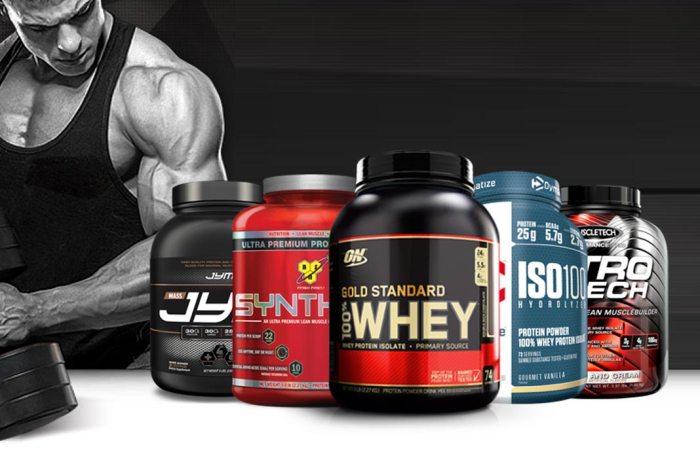
Protein supplements are like the superheroes of the nutrition world, swooping in to save our muscles from the clutches of weakness. Whether it’s the smooth-talking whey, the patient casein, the friendly soy, or the plant-based pals, there’s a protein supplement for everyone, ready to help you flex those muscles like never before!

Incorporating these mighty powders into your diet can be the difference between feeling like a couch potato and a gym warrior. Not only do they pack a protein punch, but they also aid in recovery and can turn your post-workout snack into a delectable feast. And let’s be honest, who doesn’t want to be the envy of their friends with all this muscle gain and recovery magic?

Protein Supplements Overview

Protein supplements

Protein supplements are the culinary superheroes of the fitness world, swooping in to save the day when your plate is looking a little too lean. Whether you’re a gym rat, a casual workout enthusiast, or just someone who enjoys flexing their biceps while holding a pizza, these supplements can be a game-changer. With options like whey, casein, soy, and plant-based varieties, there’s something to suit every palate and dietary preference.

Let’s dive into the world of protein supplements and see why they might just become your new best friend in achieving muscle gains and speedy recovery.

Types of Protein Supplements

There are several types of protein supplements, each boasting its unique benefits and flavor profiles. Understanding these can help you choose the one that aligns with your fitness goals and dietary needs. Here’s a breakdown of the most popular options:

  • Whey Protein: The fast-acting hero, whey protein is derived from milk and is quickly absorbed by the body. It’s perfect for post-workout recovery, helping to repair and build muscle. It’s like giving your muscles a high-five right after they’ve finished lifting!
  • Casein Protein: The night owl of proteins, casein is also milk-derived but digests slowly, providing a steady release of amino acids over time. This makes it ideal for overnight muscle repair—think of it as a cozy blanket for your muscles while you snooze.
  • Soy Protein: A great choice for vegans and vegetarians, soy protein packs a punch with its complete amino acid profile. It’s like the Swiss Army knife of proteins—versatile and handy in various dietary situations.
  • Plant-Based Protein: Made from sources like peas, hemp, and brown rice, plant-based proteins cater to those looking for a more natural, nutrient-dense option. Plus, they make you feel like you’re eating your veggies, even when you’re just sipping a shake!

Benefits of Protein Supplements for Muscle Gain and Recovery

Incorporating protein supplements into your diet can significantly enhance muscle gain and recovery post-exercise. They provide a focused, concentrated source of protein which is crucial for muscle repair and growth. Nutritionists often recommend consuming protein shortly after workouts to take advantage of the body’s heightened ability to absorb nutrients.

“A protein-rich diet can aid in muscle recovery, promoting quicker healing and growth, while also staving off those pesky post-workout cravings.”

The benefits of protein supplements extend beyond just muscle building. They can also help in weight management by curbing appetite and enhancing metabolism. Basically, they’re like a personal trainer in a scoop, whispering sweet nothings of gains and gains to your muscles.

Protein Supplements Versus Whole Food Protein Sources

While whole food protein sources—like chicken, fish, eggs, legumes, and nuts—are nutritious, protein supplements offer a convenient alternative for those with busy lifestyles or specific dietary restrictions. Here’s a closer comparison:

  • Convenience: Protein supplements are quick to prepare and easy to consume, making them ideal for on-the-go nutrition, whereas whole foods may require cooking time.
  • Portion Control: Supplements come with clear serving sizes, making it simpler to meet daily protein intake goals, while portion sizes of whole foods can be less straightforward.
  • Digestibility: Many protein powders are easier on the stomach and can be digested quickly, allowing for faster recovery after intense workouts.
  • Nutrient Density: While whole foods provide a wide range of nutrients beyond protein, supplements can be fortified with additional vitamins and minerals to support overall health.

Integration with Health and Wellness Practices

Protein supplements are like the sidekicks of the health world, gallantly stepping in to support your wellness journey—especially when it comes to weight loss and fitness. Think of them as your trusty cape, ready to help you soar above hunger pangs and fatigue. They play a crucial role in many health and wellness practices, particularly for those looking to shed some pounds without sacrificing their sanity (or their taste buds).

Role of Protein Supplements in Weight Loss Programs

In the quest for a sleeker silhouette, protein supplements serve as a powerful ally. They help in managing hunger levels effectively, making it easier to resist the siren call of that donut in the break room. Protein has a magical quality of increasing satiety, which means you’ll feel fuller for longer. This can lead to reduced cravings and fewer mindless munching marathons.

Consider this: a study published in the American Journal of Clinical Nutrition found that people who increased their protein intake while on a diet reported feeling less hungry and more satisfied with their meals. So, adding a scoop of protein powder to your smoothie or enjoying a protein-packed snack can keep the grumbling stomach at bay and help you stay on track with your weight loss goals.

Combining Protein Supplements with Yoga Practices

Imagine pairing the zen of yoga with the muscle-loving powers of protein. This combination isn’t just for achieving a higher level of enlightenment; it’s also about enhancing performance and recovery. When you practice yoga, your body engages in muscle recovery and flexibility improvement, and supplementing with protein can support these processes efficiently.After a yoga session, your muscles are like sponges, ready to soak up nutrients.

This is where protein supplements shine bright like a yoga mat in a sunlit room. They can help repair muscle tissue and build lean muscle mass, giving you the strength to conquer your next downward dog with ease. To integrate protein supplements into your yoga routine:

  • Consider a protein shake post-practice to kickstart recovery.
  • Add a scoop of protein powder to your favorite smoothie for a pre-yoga energy boost.
  • Mix protein powder into your homemade energy bars for a convenient snack before class.

Ideal Timing for Protein Supplementation

When it comes to protein, timing is everything. Knowing when to fuel your body can make a significant difference in your performance and recovery. Below is a guide on ideal timing for protein supplementation surrounding workouts and sleep:

  • Pre-Workout: Consume protein 30-60 minutes before exercising to prepare your muscles.
  • Post-Workout: A protein shake within 30 minutes after your workout can aid in recovery.
  • Before Bed: Taking casein protein can help with muscle repair overnight, as it digests slowly.

By aligning your protein intake with your workout schedule and sleep patterns, you can optimize your health and wellness journey, keeping your muscles happy and your stomach in check.

Related Health Topics

When it comes to protein supplements, they don’t just pack a punch for your muscles; they also have a few tricks up their sleeves for your overall health. Let’s dive into how these power-packed powders can play a starring role in supporting your thyroid health, enhancing your skin’s glow, and even improving your snoozing skills—yes, you heard that right!

Protein Supplements and Thyroid Health

Protein supplements have a fascinating connection with thyroid health and metabolism. The thyroid gland is like the body’s thermostat, regulating metabolism and energy production. Adequate protein intake can support thyroid function and promote a healthy metabolic rate. Think of protein as the loyal sidekick to your thyroid hero, helping it maintain energy levels that keep your day-to-day life buzzing.

  • Protein provides amino acids, which are essential for the production of thyroid hormones.
  • Research indicates that a sufficient protein intake may prevent hypothyroidism-related symptoms, such as fatigue and weight gain.
  • Ensuring a balanced intake of both proteins and essential nutrients can optimize metabolic function.

“A well-functioning thyroid is the key to a well-functioning metabolism!”

Protein Intake and Skin Care

The relationship between protein intake and skin health is as beautiful as a fresh face in the morning. Protein is a fundamental building block of skin, hair, and nails. It plays a crucial role in repairing tissues and maintaining elasticity, making it a fantastic companion in your quest for radiant skin.

  • Protein supports collagen production, which keeps skin firm and youthful.
  • Adequate protein intake can aid in wound healing and reduce signs of aging.
  • Consuming protein-rich foods or supplements can promote a vibrant complexion and may even help in reducing acne.

“Your skin is like a canvas; protein is the paint that keeps it vibrant!”

Protein Supplements and Sleep Quality

Imagine a world where protein supplements not only fuel your workouts but also help you achieve sweet dreams—well, that world is a reality! Protein can influence sleep quality, ensuring that you wake up refreshed and ready to conquer the day. Additionally, it can potentially reduce snoring, making you the dreamiest sleeper in the room.

  • Protein aids in the production of serotonin, a neurotransmitter that regulates sleep.
  • A well-balanced intake of protein throughout the day can lead to improved sleep patterns.
  • Certain protein sources, like casein, can promote better sleep quality when consumed before bedtime.

“Good sleep is the foundation of a great day, and protein is the key to the door!”

Final Conclusion

Protein supplements guide ultimate them use fitness

So, whether you’re looking to bulk up, slim down, or just keep your muscles happy, protein supplements can be your trusty sidekick. With the right balance, timing, and a sprinkle of humor, you can transform your fitness journey into a legend worth telling. Remember, your muscles are always ready for the next adventure!

User Queries

What are protein supplements made of?

Protein supplements can be made from whey, casein, soy, pea, or other plant sources, ensuring there’s something for everyone!

When is the best time to take protein supplements?

The golden window for protein supplementation is usually within 30 minutes post-workout, but they can also be enjoyed throughout the day.

Can protein supplements help with weight loss?

Absolutely! They can promote satiety, helping to manage hunger and control calorie intake while you shed those extra pounds.

Are protein supplements safe for everyone?

While generally safe for most people, it’s wise to check with a healthcare provider, especially if you have allergies or medical conditions.

Do protein supplements cause digestive issues?

Some individuals may experience digestive discomfort, especially with whey, so opting for plant-based options can be a gentler choice.