Hashimotos disease Unraveled with Humor and Insight

Hashimoto’s disease is like that uninvited guest who shows up at your party and ends up rearranging your furniture—your thyroid, to be precise! This autoimmune condition not only disrupts thyroid function but also brings along a host of quirky symptoms that vary from person to person, making it a real-life game of ‘guess who’ for doctors and patients alike. Buckle up as we dive into the whirlwind world of Hashimoto’s, where every twist and turn unveils something new about this common yet mystifying ailment.

With a blend of science and a sprinkle of humor, we’ll explore what causes Hashimoto’s disease, how it can be diagnosed, and the demographic quirks it loves to hang around. Plus, we’ll investigate the relationship between this sneaky disease and thyroid health while arming you with lifestyle tips, dietary hacks, and wellness routines to make living with Hashimoto’s feel less like a burden and more like a quirky adventure!

Hashimoto’s Disease Overview

Hashimoto’s disease, or as some might affectionately call it, “the sneaky thyroid saboteur,” is an autoimmune condition where the body’s own immune system takes a misguided detour and starts attacking the thyroid gland. This gland, shaped like a butterfly and nestled comfortably at the base of your neck, plays a pivotal role in regulating metabolism, energy production, and overall hormonal harmony.

When it’s under siege, the consequences can be quite the rollercoaster ride of symptoms.The main culprits of Hashimoto’s are multifactorial, with genetic predisposition, environmental triggers, and hormonal imbalances joining forces in this misadventure. Symptoms can range from fatigue that feels like you’ve run a marathon in your sleep, weight gain, and cold intolerance to more elusive signs like depression or brain fog — as if your brain is wrapped in a cozy, albeit frustrating, blanket.

The diagnostic process typically includes blood tests measuring thyroid hormone levels and the presence of antibodies like anti-thyroid peroxidase (TPO) and anti-thyroglobulin.

Causes and Symptoms

Understanding the causes and symptoms of Hashimoto’s disease reveals a complex interplay of factors. Genetic predisposition plays a significant role, where family history might increase the likelihood of developing this condition, much like inheriting a penchant for quirky family reunions. Environmental factors also tiptoe into the picture, with infections, stress, and dietary components (gluten and processed foods, we’re looking at you) potentially triggering the onset.Symptoms can emerge slowly and vary widely, making them easy to overlook.

Commonly reported symptoms include:

  • Fatigue that makes you feel like a sloth on a lazy Sunday.
  • Weight gain even when you haven’t changed a thing about your diet or exercise regime — frustrating, right?
  • Cold intolerance, leaving you feeling like you’ve just stepped out of a freezer.
  • Constipation that can turn bathroom breaks into epic sagas.
  • Dry skin and hair that seems to have joined the desert club.
  • Muscle weakness, especially in your arms and legs, as though they’re playing a game of hide-and-seek.
  • Depression and anxiety, as if your emotional balance has taken a vacation without you.
  • Brain fog that makes you search for your keys while they’re in your hand — classic!

Diagnostic Process and Tests

The diagnostic dance for Hashimoto’s typically starts with a visit to your friendly neighborhood healthcare provider, who will likely order a series of blood tests. These tests are essential for understanding how your thyroid is faring in the battle of the immune system.The most common tests include:

  • TSH (Thyroid Stimulating Hormone) test: This test checks how well your pituitary gland is signaling the thyroid to produce hormones.
  • T4 (Thyroxine) test: Measures the level of thyroxine in your blood, which is crucial for metabolic processes.
  • T3 (Triiodothyronine) test: This test assesses the active form of thyroid hormone, important for energy metabolism.
  • Anti-TPO antibodies test: Evaluates the presence of antibodies that indicate an autoimmune attack on the thyroid.
  • Thyroglobulin antibodies test: Another marker to see if the immune system is on the offensive.

Prevalence and Demographics

Hashimoto’s disease is a bit of a sneaky one, affecting an estimated 1 in 300 individuals in the general population, with women being significantly more likely to develop the condition, approximately 7 to 10 times more frequently than men. This means that if you gather a group of 10 women, the odds are that at least one might be grappling with this pesky thyroid issue.Age is also a contributing factor, with the diagnosis commonly occurring between the ages of 30 and 50.

However, it can make its grand entrance at any age — even in children. The prevalence varies across different ethnic groups, with Caucasian women showing the highest incidence rates, while other demographics like African American, Asian, and Hispanic populations are affected as well.

“Hashimoto’s doesn’t discriminate; it’s an equal opportunity disruptor.”

With these insights, it’s clear that Hashimoto’s disease is a multifaceted condition that requires awareness and attention. Whether it’s the mysterious fatigue or the struggle with weight, navigating this terrain is an adventure that many are on together.

Health and Thyroid

The connection between Hashimoto’s disease and thyroid function is akin to an overzealous relationship where one party (the immune system) is overly critical of the other (the thyroid), leading to some serious trust issues. Hashimoto’s is an autoimmune condition where the body’s own immune system mistakenly attacks the thyroid gland, causing it to underperform. This results in a hormonal imbalance that can affect how your body runs its day-to-day operations, from energy levels to metabolism and even mood swings.

Talk about drama!Thyroid function is pivotal for overall health, and when it’s compromised by Hashimoto’s, managing thyroid hormone levels becomes crucial. Keeping these levels in check can feel like a balancing act, akin to walking a tightrope while juggling flaming torches. But fear not, there are strategies and natural supplements that can help.Hashimoto’s patients navigate this precarious path.

Management Strategies for Thyroid Hormone Levels

Effectively managing thyroid hormone levels is essential for those dealing with Hashimoto’s disease. Several strategies can help stabilize these levels and ensure that the body functions optimally.

Regular Monitoring

Frequent blood tests to check levels of TSH, Free T4, and Free T3 help track the thyroid’s performance. Keeping a close eye on these levels is like having a health scoreboard.

Medication Management

Levothyroxine is the go-to medication for many, but finding the right dosage can be a process. Your doctor might feel like a chemist experimenting with formulas until they hit the sweet spot.

Dietary Adjustments

Incorporating a nutrient-dense diet rich in fruits, vegetables, and lean proteins can provide the body with the support it needs. Think of it as upgrading your thyroid’s operating system with the best software possible.

Lifestyle Changes

Reducing stress through yoga or meditation can also support thyroid function. After all, a relaxed thyroid is a happy thyroid!

Consistent Sleep Schedule

Good quality sleep can directly influence thyroid hormone levels. Imagine your thyroid gaining a power-up after a good night’s rest!

Natural Supplements for Thyroid Health

For Hashimoto’s patients, certain natural supplements may provide a boost to thyroid health. These can act as supportive allies in the battle against hormonal imbalance.

Selenium

This mineral plays a crucial role in thyroid hormone production. Studies suggest that selenium supplementation can reduce antibody levels in Hashimoto’s patients and improve overall thyroid function. Think of it as your thyroid’s personal bodyguard.

Zinc

This powerhouse mineral is essential for hormone synthesis and can help improve thyroid function. It’s like giving your thyroid a little pep talk to step up its game.

Vitamin D

Many individuals with Hashimoto’s have lower levels of vitamin D. Supplementing this vitamin can help boost immune function and support thyroid health. Just imagine your thyroid soaking up the sun like a beachgoer!

Omega-3 Fatty Acids

Found in fish oil, these can help reduce inflammation in the body and support thyroid function. They work to calm the inflammatory storm caused by Hashimoto’s, like a soothing balm for the thyroid.

Ashwagandha

This adaptogenic herb may help reduce stress and balance hormones. It’s like having a wise old sage soothing your thyroid in times of turmoil.By integrating these strategies and supplements into their routine, individuals with Hashimoto’s can have a fighting chance at reclaiming their thyroid health and living life to the fullest.

Lifestyle Modifications

Living with Hashimoto’s disease can feel like you’re managing a quirky pet that sometimes refuses to cooperate. It requires a unique blend of dietary tweaks, quality sleep, and a sprinkle of self-care to keep the thyroid drama at bay. Let’s dive into some lifestyle modifications that can help you maintain your inner zen while navigating the ups and downs of Hashimoto’s.

Dietary Changes

When it comes to managing Hashimoto’s, your plate can be your best ally. Nutrient-rich foods can support thyroid health and help mitigate some symptoms. Here are some dietary adjustments to consider:

  • Gluten-Free Goodness: Many people with Hashimoto’s report feeling better on a gluten-free diet. Think of it as giving your digestive system a gentle hug.
  • Embrace the Omega-3s: Foods rich in omega-3 fatty acids like salmon, walnuts, and flaxseeds can help reduce inflammation and keep your mood as bright as a sunny day.
  • Go for the Greens: Leafy greens like spinach and kale are packed with antioxidants and minerals. They’re like the superheroes of the food world!
  • Limit Processed Foods: Less junk equals less inflammation! Avoiding processed foods can help you feel lighter and brighter.
  • Stay Hydrated: Water is life! Keeping hydrated can boost your energy levels and help your body function like a well-oiled machine.

Sleep Quality Improvement

Quality sleep can be as elusive as a cat in a room full of rocking chairs, especially for those with Hashimoto’s. Poor sleep can exacerbate symptoms, so creating a restful environment is key. Here are some strategies to improve your sleep:

  • Establish a Routine: Going to bed and waking up at the same time every day helps regulate your body’s internal clock, making you feel less like a zombie.
  • Limit Screen Time: Blue light from screens can mess with your sleep. Consider swapping evening screen time for a good book or some light stretching.
  • Create a Cozy Environment: Make your bedroom a sleep sanctuary. Think soft pillows, calming colors, and maybe even a sound machine that plays gentle waves or soothing rain.
  • Mindfulness Practices: Incorporate relaxation techniques such as meditation or deep breathing before bed to calm your mind and signal it’s time for sleep.

Wellness Routine with Spa Treatments and Yoga

Finding a balance between stress relief and rejuvenation is vital for managing Hashimoto’s. A wellness routine that combines spa treatments and yoga can work wonders for your mind and body. Here’s how to create a blissful routine:

  • Spa Treatments: Regular spa days can feel like a mini-vacation. Think massages to melt away tension, facials for a glow-up, and aromatherapy for a scent-sational experience.
  • Yoga Classes: Gentle yoga can improve flexibility and reduce stress. Poses like Child’s Pose and Savasana are perfect for unwinding and connecting with your breath.
  • Essential Oils: Incorporating essential oils like lavender and chamomile into your routine can enhance relaxation. Imagine taking a deep breath and feeling like you’ve just inhaled a cloud of calm.
  • Outdoor Activities: Connecting with nature through walks or hikes can uplift your spirits while benefiting your physical health. Fresh air and sunshine can work wonders!

“Taking care of your body is a form of self-love. Treat it like the temple it is—just with better snacks.”

Women’s Health Issues

Disease pneumonia hashimoto hashimotos thyroid castleman paru complications verywellhealth hypothyroidism autoimmune radang cough fever adults gejala causes productive verywell chills

Hashimoto’s disease isn’t just a thyroid-thief; it also wields a sneaky influence on women’s reproductive health. For women navigating the rollercoaster of hormones, Hashimoto’s can add unexpected twists, turns, and the occasional loop-de-loop. Not only does it mess with the thyroid, it can also throw a wrench into the gears of fertility and pregnancy. If you thought hormones were only for teenage drama, think again! Hashimoto’s can lead to a delightful cocktail of hormonal imbalances that might leave women feeling like their bodies are staging a coup.

The consequences can be particularly pronounced during those critical life stages such as pregnancy and menopause, where balance is key. Hormonal fluctuations are no picnic; they can result in irregular periods, pregnancy complications, and even make the already-challenging menopause feel like it’s throwing a never-ending party.

Implications of Hashimoto’s Disease on Reproductive Health and Pregnancy

Women with Hashimoto’s disease often face unique challenges in their reproductive health. The disease can lead to an array of complications, including but not limited to:

  • Infertility: Thyroid hormones play a crucial role in ovulation and menstrual cycle regulation. Insufficient levels can lead to difficulty conceiving.
  • Pregnancy Risks: Pregnant women with Hashimoto’s are at increased risk for miscarriage and preterm birth, as well as potential complications like gestational diabetes.
  • Postpartum Thyroiditis: After giving birth, women with Hashimoto’s may experience a flare-up of symptoms as hormonal levels adjust, leading to fatigue and mood swings.

It’s essential for women with Hashimoto’s to work closely with their healthcare providers throughout pregnancy to monitor thyroid hormone levels and adjust medications as needed.

Hormonal Imbalances Affecting Women with Hashimoto’s

Hormonal imbalances in women with Hashimoto’s can feel like trying to juggle flaming swords while riding a unicycle. They can cause a variety of symptoms:

  • Menstrual Irregularities: Women may experience heavy or irregular periods, or in some cases, periods that seem to disappear altogether.
  • Mood Swings: The emotional rollercoaster becomes more pronounced with thyroid dysfunction, leading to anxiety and depression.
  • Weight Fluctuations: Thyroid imbalance can lead to weight gain or difficulty losing weight, making women feel like they’re stuck in a tug-of-war match with their scales.

Understanding these effects helps women better manage their symptoms and seek appropriate treatment.

Strategies for Managing Menopause Symptoms in the Context of Hashimoto’s

Menopause can feel like a sauna party gone wrong for women, and when Hashimoto’s is part of the equation, it becomes even more complicated. Here are some tips to help navigate these waters:

  • Regular Check-Ups: Staying on top of thyroid levels during menopause is crucial. Regular testing can keep symptoms in check.
  • Healthy Diet: Following a balanced diet rich in whole foods can help manage weight and energy levels. Think of it as laying the foundation for a thriving garden of health.
  • Exercise: Incorporating regular physical activity can help combat weight gain and mood swings. Even a brisk walk while pretending to be a ninja can do wonders!
  • Stress Management: Techniques like yoga, meditation, or simple breathing exercises can help keep the stress monster at bay.

Implementing these strategies can create a more manageable transition during menopause for women with Hashimoto’s, turning the experience into a more graceful glide instead of a chaotic free-fall.

Health and Supplements

Hashimoto’s disease

Managing Hashimoto’s disease can feel like trying to solve a Rubik’s Cube—while blindfolded and on a rollercoaster. One of the key aspects of taming this thyroid beast lies in understanding the role of health and supplements. With the right vitamins and minerals in your corner, you can help support your thyroid function, combat fatigue, and navigate the ups and downs with a little more swagger.Healthy thyroid function isn’t just about popping a pill and calling it a day.

It’s a multi-faceted approach that includes both conventional medication and alternative therapies. It’s time to break down the supplement essentials like a pro, so let’s dive in!

Recommended Vitamins and Minerals for Hashimoto’s Management

A balanced intake of certain vitamins and minerals can be particularly beneficial for those managing Hashimoto’s disease. These nutrients can play a role in supporting thyroid health, enhancing immune function, and mitigating some of the symptoms associated with the condition. Here’s a carefully curated list of the top players in the supplement game:

  • Selenium: This trace mineral is like the superhero of thyroid health, as it plays a crucial role in the production of thyroid hormones.
  • Zinc: Essential for immune function and thyroid hormone metabolism, zinc is the sidekick every thyroid warrior needs.
  • Iodine: While it’s essential for hormone production, too much can backfire. So, moderation is key!
  • Vitamin D: Often dubbed the “sunshine vitamin,” adequate levels can help modulate the immune system—something especially important for autoimmune conditions.
  • Magnesium: This mineral helps with energy production and muscle function, which can be beneficial for those experiencing fatigue.
  • B Vitamins: These vitamins are your energy boosters, playing a role in cell metabolism and overall vitality.

Conventional Medication Options Compared to Alternative Therapies

When it comes to treating Hashimoto’s, the medication lineup often features levothyroxine as a front-runner. This synthetic thyroid hormone helps normalize hormone levels, giving you a fighting chance against fatigue and mood swings. However, some individuals explore alternative therapies, such as herbal treatments or acupuncture, believing they can provide relief without the side effects of conventional meds.It’s crucial to recognize the pros and cons of both paths.

Conventional medications are typically well-researched and effective, while alternative therapies may offer personalized support. But be cautious—always consult a healthcare professional before switching teams, as the combination of therapies can sometimes produce unexpected results.

Guide to Choosing Quality Supplements for Hashimoto’s Disease

Selecting the right supplements is akin to picking the best avocado at the grocery store; it requires a discerning eye and a little patience. Here’s a guide to ensure your supplement game is on point:

  • Check the Labels: Look for third-party testing certifications to ensure quality and potency. This means no sneaky fillers or misleading claims.
  • Consider Your Needs: Each person’s thyroid journey is unique. Tailor your supplement choice to your specific symptoms and deficiencies.
  • Consult with a Professional: A healthcare provider or nutritionist can offer personalized advice on which supplements might suit your situation best.
  • Be Mindful of Dosages: More isn’t always merrier. Stick to recommended dosages unless otherwise directed by your healthcare team.
  • Research Brands: Prioritize reputable brands with positive reviews. If the company has a history of recalls, it might be time to swipe left.

“Investing in quality supplements is like choosing the right friends—surround yourself with the good ones, and they will uplift you.”

Skin Care for Hashimoto’s Patients

When it comes to Hashimoto’s disease, the thyroid may take a toll on your energy levels, but it can also wreak havoc on your skin. Dryness, sensitivity, and even a touch of the dreaded “thinning skin” can come knocking at your door. Let’s dive into the skin saga of Hashimoto’s patients, exploring how to pamper that precious epidermis while keeping those thyroid levels in check.

Those with Hashimoto’s disease often grapple with skin issues that are as diverse as the plot twists in a soap opera. From dryness to redness and everything in between, skin problems can be a daily dilemma. Many experience symptoms like dryness, irritation, and even a touch of that charming “puffy face” that seems to appear out of nowhere. Managing these skin issues often requires a thoughtful approach to skincare that considers the delicate balance of hormones and hydration.

Common Skin Issues and Treatments

Understanding common skin issues faced by those with Hashimoto’s disease is key to treating them. Here are the typical skin troubles and how to tackle them effectively:

  • Dry Skin: The Sahara Desert has nothing on some Hashimoto’s patients. To combat this, opt for a rich moisturizer containing hyaluronic acid or glycerin. These ingredients work wonders by pulling moisture into the skin.
  • Redness and Irritation: If your skin is feeling more like a tomato than a peach, consider using calming products that feature chamomile or aloe vera. These ingredients are like a soothing blanket for your irritated skin.
  • Puffy Face: For those uninvited puffy moments, cold compresses can help. Just grab a clean washcloth, soak it in cold water, and apply it to the swollen areas. Instant relief!
  • Thinning Skin: This can be managed with gentle exfoliation and using products with retinoids, which promote skin renewal. Just remember, too much exfoliation can lead to more drama than a daytime talk show.

Tailored Skincare Routine for Hormonal Imbalances

Crafting a skincare routine specifically for those with hormonal imbalances is akin to building a beautiful house on a solid foundation. Here’s a routine designed to nurture and protect your skin:

1. Gentle Cleanser

Start your day with a mild, fragrance-free cleanser that won’t strip your skin of its natural oils. Think of it as a gentle hug for your face.

2. Hydrating Toner

Apply a hydrating toner with ingredients like rosewater or witch hazel to help balance your skin’s pH. It’s like a refreshing drink for your complexion.

3. Serum

Incorporate a serum packed with vitamin C or peptides to brighten and rejuvenate your skin. Serum is your secret weapon against dullness!

4. Moisturizer

Lock in hydration with a quality moisturizer, ideally one that contains ceramides for an extra layer of protection. This will keep your skin barrier happy and healthy.

5. Sunscreen

Never skip the SPF! Protect your skin from harmful UV rays with a broad-spectrum sunscreen, even on those cloudy days. Your future self will thank you!

Best Ingredients for Thyroid Health

Selecting the right ingredients for skincare is crucial for thyroid health. Here are some superstar ingredients to look for, as well as those to steer clear of: Ingredients to Include:

  • Hyaluronic Acid: Known for its ability to retain moisture, it’s a hydration hero.
  • Vitamin E: This antioxidant superstar helps protect skin from damage and supports skin health.
  • Aloe Vera: A natural soother that hydrates and calms irritated skin.
  • Peptides: These little guys promote collagen production and help improve skin elasticity.

Ingredients to Avoid:

  • Alcohol: This can dry out the skin, making you feel like you’re living in a desert.
  • Scented Products: Fragrances can cause irritation, so it’s best to stick to unscented options.
  • Harsh Exfoliants: These can lead to micro-tears in the skin, leaving you with more issues than solutions.

Remember, taking care of your skin is not just a routine, it’s an act of self-love!

Weight Management

Managing weight with Hashimoto’s disease can feel like trying to dance with two left feet—challenging but not impossible! Those pesky thyroid hormones can really throw a wrench in the weight loss machine, making it vital to develop strategies tailored for your unique needs. The good news? With the right approach, you can sidestep the frustration and pirouette into a healthier lifestyle.Effective weight loss strategies for individuals with Hashimoto’s hinge on understanding your body’s needs and how to cater to them.

Given the metabolic slowdown often associated with hypothyroidism, it’s essential to employ a combination of dietary adjustments and physical activity that respects your energy levels. Here’s a closer look at diet plans that can help manage weight while keeping your thyroid in check.

Diet Plans for Managing Weight

When it comes to choosing a diet plan, not all roads lead to Rome. For those with Hashimoto’s, certain diets may offer better results than others. Here are some popular diet plans that can be suitable for managing weight while keeping the thyroid happy:

  • Gluten-Free Diet: Some studies suggest a gluten-free diet may alleviate symptoms in Hashimoto’s patients. Give your body a break from gluten and see if it has a positive effect on your weight and energy levels.
  • Paleo Diet: This diet mimics what our ancestors ate, focusing on whole foods like lean meats, fish, fruits, vegetables, nuts, and seeds. It may reduce inflammation and promote weight loss by skipping out on processed foods.
  • Ketogenic Diet: A high-fat, low-carb diet that forces the body into ketosis. This can be effective for weight loss, but it’s crucial to monitor how it affects your energy levels and thyroid function.
  • Anti-Inflammatory Diet: Focused on reducing inflammation, this diet incorporates foods rich in antioxidants, like berries and leafy greens, while avoiding sugar and processed foods.

Understanding how these diets align with your Hashimoto’s symptoms is essential. Each person’s reaction can vary, so it’s wise to consult a healthcare professional or a nutritionist before diving in.

Integrating Physical Activity

Finding the right balance between physical activity and your energy levels is like tightrope walking—one wrong step and you could find yourself in a bit of a pickle. It’s essential to choose exercise routines that invigorate rather than exhaust.Begin with gentle exercises that boost energy without overwhelming your thyroid. Consider the following activities:

  • Walking: It’s as simple as putting one foot in front of the other! Short walks can be refreshing and are easy to integrate into your daily routine.
  • Yoga: This ancient practice not only increases flexibility but also helps reduce stress, which can wreak havoc on your thyroid.
  • Swimming: A low-impact option that keeps you cool while providing a full-body workout. Plus, the water can be incredibly soothing!
  • Strength Training: Light strength training can help build muscle mass, which is beneficial for boosting metabolism.

Aim for regular activity that feels enjoyable rather than burdensome. Consistency is key, and even small efforts can lead to significant changes over time.

“Weight management with Hashimoto’s is not just a sprint; it’s a marathon where pacing yourself is the secret to crossing the finish line.”

Speech Pathology Considerations

Hashimoto’s disease may not directly turn you into a Shakespearean actor, but it can certainly play tricks on your vocal cords and communication skills. The autoimmune funhouse mirror effect of this thyroid condition can lead to speech difficulties that may leave you feeling like you’re auditioning for a role in a melodrama instead of having a casual chat with a friend.

Let’s explore how Hashimoto’s can impact your speech and what can be done about it—because communication is key, and everyone deserves to be understood!

When the thyroid is on strike, it can lead to a host of issues, including those relating to speech and communication. Individuals may experience changes in voice quality, such as hoarseness or a breathy tone, which can make conversations feel like a game of charades. Additionally, cognitive functions like memory and processing speed might take a hit, leading to difficulties in finding the right words or organizing thoughts.

This can be particularly frustrating, especially if you feel like your thoughts are doing a great impression of a scrambled egg!

Therapeutic Approaches for Speech Difficulties

There are several therapeutic approaches that can support individuals experiencing speech difficulties related to Hashimoto’s disease. Working with a qualified speech-language pathologist (SLP) can make a significant difference. Here are some key approaches:

Speech therapy can focus on vocal exercises aimed at improving breath control and voice strength. These exercises might sound like you’re trying out for a karaoke competition, but they can really help! The SLP may also incorporate strategies to enhance clarity and articulation, ensuring that your audience can understand your brilliant insights.

Cognitive-communication therapy is another valuable option. This type of therapy can help individuals develop skills for organizing thoughts, improving memory, and enhancing overall communication effectiveness. Think of it as a mental gym session where you’ll flex your cognitive muscles!

Alternative communication methods may also be introduced, such as using visual aids or speech-generating devices. This can be particularly useful in situations where verbal communication becomes a challenge, allowing individuals to express themselves without feeling like they’re playing a game of telephone.

Resource List for Speech Pathology Services

For those seeking assistance with speech-related challenges due to Hashimoto’s disease, a wealth of resources is available. Finding the right support is crucial, as every path to clear communication should be well paved. Here’s a list of potential resources to get you started:

1. American Speech-Language-Hearing Association (ASHA)

A comprehensive directory of certified SLPs who can provide tailored support.

2. Local Speech Therapy Clinics

Many cities have specialized clinics that focus on voice and communication disorders. A quick Google search might reveal hidden gems in your area.

3. University Speech and Hearing Programs

Many universities offer low-cost services through their training programs. This is a win-win, as you’ll be helping students gain experience while receiving care!

4. Online Platforms

Websites like BetterHelp or Talkspace are increasingly offering teletherapy options, including speech therapy, making it more convenient than ever to get help from the comfort of your couch.

5. Support Groups

Online forums and local support groups can provide valuable insights and recommendations from others who have navigated similar challenges. Sharing experiences over a cup of tea can be both therapeutic and enlightening!

By utilizing these approaches and resources, individuals with Hashimoto’s disease can reclaim their voice and communicate confidently, proving that even with a thyroid that’s gone rogue, the power of speech is still very much alive and kicking!

Final Review

In the grand finale of our Hashimoto’s disease saga, we’ve discovered that while this condition may have a flair for the dramatic, it can also be managed with the right strategies and a dash of humor. From understanding its roots to navigating the ups and downs of thyroid function, we’ve seen how lifestyle changes, dietary choices, and even a little pampering can pave the way for a balanced life.

So, whether you’re a seasoned Hashimoto’s traveler or just starting your journey, remember: with knowledge and a light-hearted approach, you can turn the tide against this pesky intruder!

User Queries

What are the main symptoms of Hashimoto’s disease?

The main symptoms include fatigue, weight gain, cold sensitivity, and joint pain, along with mood swings that could give a soap opera a run for its money!

Can Hashimoto’s disease affect men?

Yes, while it predominantly affects women, men can also be affected, proving that autoimmune conditions don’t discriminate!

Is there a cure for Hashimoto’s disease?

Unfortunately, there’s no cure yet, but it can be managed effectively with medication, lifestyle changes, and a few well-chosen supplements!

How often should I get my thyroid levels checked if I have Hashimoto’s?

Generally, it’s recommended to check your thyroid levels every 6 to 12 months, but your doctor might suggest more frequent testing based on your specific situation.

Can Hashimoto’s disease cause depression?

Yes, the hormonal imbalances can contribute to mood changes, including depression, making mental health support an important part of management.

Thyroid imbalance The Wacky World of Wobbly Hormones

Thyroid infographic imbalance

Welcome to the enchanting realm of thyroid imbalance, where hormones frolic like over-caffeinated bunnies and metabolism plays hide and seek! If you’ve ever felt like your body is a three-ring circus, you might just be in the right place. Thyroid imbalances can lead to a carnival of symptoms, each more surprising than the last—think unexpected weight gain, mood swings that rival a soap opera, and skin that may resemble a dried-out sponge!

But fear not! We’re diving into the nitty-gritty of what a thyroid imbalance is, how it struts its stuff in your body, and the myriad ways it can challenge your skin, sleep, and overall wellness. So grab your metaphorical magnifying glass and let’s explore this whimsical world together!

Thyroid Imbalance Overview

Thyroid imbalance is like trying to operate a car with a faulty transmission; it just won’t run smoothly! The thyroid, a butterfly-shaped gland nestled in the neck, plays a crucial role in regulating our metabolism, energy levels, and overall health. When it misfires, it can lead to a plethora of symptoms, ranging from an energy slump that makes you feel like a sloth on a Sunday to bouts of anxiety that could give a caffeinated squirrel a run for its money.The symptoms of thyroid imbalance can be as varied as a buffet spread.

Common signs include fatigue, weight fluctuations, mood swings, and temperature sensitivity. Causes can range from autoimmune disorders, such as Hashimoto’s thyroiditis, to iodine deficiency and even certain medications. Understanding the types of thyroid disorders is essential for addressing the impact on overall health and well-being.

Types of Thyroid Disorders

Thyroid disorders can be classified mainly into two categories: hypothyroidism and hyperthyroidism, each with its own set of quirky characteristics and health implications.

Hypothyroidism

This is when your thyroid decides to take a sabbatical, producing insufficient thyroid hormones. It’s like having your favorite coffee shop closed on a Monday morning—nobody’s happy! Symptoms often include: – Fatigue

Weight gain

– Depression

Hair loss

Cold intolerance

Hyperthyroidism

This is when your thyroid cranks up the output, making you feel like you’ve had one too many espressos. Symptoms can include:

Unexplained weight loss

Rapid heartbeat

– Anxiety

Increased sweating

Heat intolerance

Both conditions can have serious consequences if left untreated, potentially affecting heart health, bone density, and even mental health.

Thyroid Function and Metabolism

The relationship between thyroid function and metabolism is akin to a finely tuned orchestra. The thyroid hormones—primarily thyroxine (T4) and triiodothyronine (T3)—act as conductors, regulating the speed and efficiency of metabolic processes. When thyroid hormones are balanced, your body burns energy efficiently, like a well-oiled machine. However, when there’s an imbalance, the results can be disastrous. For instance:

  • In hypothyroidism, the metabolic rate slows down, leading to weight gain and increased fatigue, as your body puts on the brakes.
  • In hyperthyroidism, the opposite occurs, causing your metabolism to speed up, which might lead to unintended weight loss and a racing heart.

This delicate balance is crucial; a single malfunction can throw your entire system off-kilter. Think of it as a dance party where one dancer forgets the steps—chaos ensues! Maintaining proper thyroid function is essential for ensuring that your metabolism operates smoothly, because nobody likes a cranky metabolism at the party of life!

Impact on Skin Care

Thyroid imbalances can be like an unwelcome ex at a party—messy, complicated, and leaving behind a trail of unwanted drama. Whether your thyroid is overachieving or slacking, it has a significant impact on your skin’s health and appearance. When the hormone levels go on a rollercoaster ride, your skin may feel the effects, leading to dryness, oiliness, or even unexpected breakouts.

Let’s dive into the fun and fabulous world of thyroid-related skincare!Thyroid hormones play a crucial role in regulating skin health. When your body is in harmony, your skin radiates happiness. However, when there’s an imbalance, hormones can cause skin to become dry, flaky, and as sad as a puppy left in the rain. Alternatively, some may experience oiliness, akin to a teenager with a pizza face—hardly the radiant glow we all strive for! Conditions such as hypothyroidism can lead to skin that is dull, rough, and prone to fine lines, while hyperthyroidism may cause a shiny complexion and increased acne.

Skincare Routines for Thyroid Issues

For those navigating the tricky waters of thyroid imbalance, adjusting your skincare routine can work wonders. Here are some key components to consider for a regimen that keeps your skin looking fabulous rather than frazzled:

1. Hydration Heroes

Dry skin? Meet your new best friends

moisturizers packed with hyaluronic acid, glycerin, and ceramides. These ingredients are like a refreshing drink of water for your skin, bringing it back to life.

2. Gentle Cleansers

A harsh cleanser can be more shocking than finding out your favorite sitcom was canceled. Opt for mild, hydrating cleansers that don’t strip your skin of its natural oils.

3. Sun Protection

Whether you’re battling dryness or oiliness, sunscreen should be your constant companion. Choose a broad-spectrum SPF to protect against the sun’s rays, which can wreak havoc on your skin.

4. Exfoliation Essentials

Gentle exfoliation can help slough off dead skin cells. Chemical exfoliants like AHAs and BHAs can be less abrasive than physical scrubs, ensuring your skin stays smooth without the risk of irritation.

5. Nourishing Oils

Oils like jojoba or argan can help balance oil production and provide essential nutrients, striking harmony in your skin’s ecosystem.

6. Consultation with Professionals

Regular visits to a dermatologist can help tailor a routine suited specifically for your thyroid condition. Just like how you wouldn’t trust just anyone to style your hair, your skincare should be in expert hands!

“Skincare is not just a routine; it’s a celebration of self-love, especially when navigating thyroid challenges!”

Common skin conditions associated with thyroid imbalance can be more than just a nuisance; they can affect confidence and self-esteem. Some of the conditions to watch out for include:

Dry Skin

Often linked with hypothyroidism, characterized by flakiness and rough patches that make you feel like a lizard in need of hydration.

Acne

Tied to hyperthyroidism, this can be quite the unexpected party crasher, showing up at the most inconvenient times.

Puffy Skin

Especially around the eyes, can be a sign of thyroid issues, leaving you looking more like a raccoon than the radiant human you are.

Psoriasis or Eczema

Autoimmune responses can trigger these skin conditions, contributing to itching and discomfort, which are like an uninvited guest that just won’t leave.Understanding how thyroid imbalances impact skin health is key to establishing a practical and effective skincare routine. It’s all about finding balance—just like in life!

Connection with Sleep and Snoring

Thyroid imbalance isn’t just a sneaky saboteur of your metabolism and skin; it’s also a culprit in the realm of sleep disturbances. Imagine your thyroid as the conductor of a grand orchestra, and when it’s out of tune, the music—that is, your sleep—can turn into a cacophony of snoring and restlessness. Let’s explore how this hormonal mischief can rob you of your precious Z’s and leave you sounding like a chainsaw at night.Thyroid imbalances, particularly hypothyroidism, can lead to a variety of sleep issues.

When your thyroid is sluggish, it can cause an increase in sleepiness during the day and lead to a nighttime routine that feels more like an episode of a horror movie than a restful slumber. Studies have shown that people with thyroid dysfunction often report trouble falling asleep, frequent awakenings, and overall poor sleep quality. Low levels of thyroid hormones can slow down your metabolism and disrupt your body’s natural sleep-wake cycle, making you feel like a zombie at the crack of dawn.

Thyroid Health and Snoring Issues

The relationship between thyroid health and snoring is an intriguing one. Underactive thyroids can cause weight gain, which in turn can lead to snoring—think of it as a vicious cycle of snooze button abuse. Excess weight can add pressure to the airways and lead to obstructive sleep apnea, a condition where breathing repeatedly stops and starts during sleep. If your partner keeps nudging you awake with a “honey, you’re snoring,” it might be time to consider your thyroid health.

To improve sleep quality in individuals dealing with thyroid disorders, consider these strategies that might help you reclaim your nighttime tranquility:

  • Regular Check-Ups: Regular visits to your healthcare provider can help monitor your thyroid levels and adjust medications as necessary. Think of them as your sleep’s best friend.
  • Balanced Diet: A nutrient-rich diet, including foods high in iodine, selenium, and zinc, can support thyroid function. Consider adding seaweed, nuts, and lean proteins to your plate—they’re like a cozy blanket for your thyroid!
  • Consistent Sleep Schedule: Going to bed and waking up at the same time daily can help reset your body’s internal clock. Set an alarm for bedtime—yes, it’s a thing!
  • Sleep Hygiene: Create a sleep-friendly environment—dark, cool, and quiet. This may involve blackout curtains, earplugs, and even a white noise machine. It’s like transforming your bedroom into a luxury hotel suite, minus the mini bar.
  • Weight Management: Maintaining a healthy weight can alleviate snoring and improve sleep quality. Incorporate physical activity into your daily routine—just don’t forget to stretch before you hit the hay!

Remember, a well-functioning thyroid is key to a peaceful night’s sleep. Treat it like royalty, and it may just reward you with sweet dreams instead of nighttime symphonies that could wake the neighbors!

Wellness Practices

When it comes to thyroid health, a little TLC goes a long way. Think of wellness practices as your thyroid’s personal cheerleading squad, rooting for it to keep your metabolism revved up and your mood on cloud nine. After all, a happy thyroid means a happy you! Let’s dive into some delightful routines that can transform your thyroid health while sprinkling some joy into your everyday life.

Designing a Wellness Routine

Creating a wellness routine for thyroid health is like crafting the ultimate playlist—each song (or practice) needs to harmonize perfectly to keep the vibes good. Here’s a list of key components to consider for a routine that sings to your thyroid’s tune:

  • Balanced Diet: Fuel your body with nutrient-dense foods like leafy greens, lean proteins, and healthy fats. Think of it as giving your thyroid a gourmet meal instead of fast food!
  • Regular Exercise: Aim for at least 30 minutes of moderate activity most days. It’s like putting your thyroid on the treadmill—just make sure it doesn’t trip over its own feet!
  • Hydration: Drink plenty of water throughout the day. This simple act is like giving your thyroid a refreshing splash of rejuvenation.
  • Mindfulness Practice: Incorporate meditation or deep-breathing exercises. This helps reduce stress, which is a known thyroid enemy—like a villain in a superhero movie!
  • Regular Check-ups: Keep in touch with your healthcare provider to monitor thyroid function. Think of them as your thyroid’s trusty sidekick, always ready to help!

Benefits of Spa Treatments

Spa treatments are not just about luxurious pampering; they can be therapeutic for those dealing with thyroid imbalances. Picture yourself in a serene oasis, where relaxation meets health benefits—sounds heavenly, right? Here’s what spa treatments can do for your thyroid:

  • Stress Reduction: Spa treatments like massages and facials can help lower cortisol levels, ultimately benefiting your thyroid. Who knew relaxation could be so powerful?
  • Increased Circulation: Treatments like hot stone massages can stimulate blood flow, promoting better nutrient delivery to the thyroid. It’s like giving your thyroid a VIP pass to the best nutrients in town!
  • Detoxification: Saunas and body wraps can help remove toxins from your system, which may support overall thyroid health. Think of it as a little spring cleaning for your body!
  • Emotional Well-being: The overall experience can uplift your mood, which is crucial since thyroid issues often come with emotional ups and downs. Spa day = happy day!

Incorporating Yoga for Better Thyroid Function

Yoga is not just a trendy workout; it’s a holistic practice that can significantly benefit thyroid function. By stretching, strengthening, and calming the body, yoga offers a plethora of benefits for thyroid health. Here are some effective yoga practices to incorporate:

  • Neck Stretches: Gentle neck lifts and side bends can stimulate the thyroid area. Feel free to channel your inner giraffe while doing this!
  • Shoulder Stand: This pose can increase blood flow to the thyroid gland. Just make sure you don’t fall over; it’s all about balance!
  • Cat-Cow Pose: This sequence helps with spinal alignment and promotes relaxation, which is essential for thyroid function. Plus, it’s a great way to show off your feline flexibility!
  • Bridge Pose: This pose opens the chest and stimulates the thyroid. Think of it as giving your thyroid a big, cozy hug!
  • Pranayama Breathing: Incorporating deep breathing techniques can help reduce stress, indirectly benefiting thyroid function. It’s like giving your thyroid a little spa day, right in your own living room!

Health Supplements

Thyroid infographic imbalance

When it comes to thyroid health, it’s not just about the TSH and T4 levels; it’s also about what you’re putting in your body. Think of health supplements as the personalized cheerleaders for your thyroid, rallying to keep it balanced and happy. But just like any good cheer, they need the right moves to be effective. Let’s dive into the world of thyroid-friendly supplements that might just turn your metabolism into a well-choreographed dance routine!To manage thyroid disorders effectively, nutrition plays a crucial role, acting as both the stage and the spotlight for your thyroid’s performance.

Certain supplements can fill nutritional gaps, providing the essential vitamins and minerals that may be missing from your diet. These nutrients are like the backstage crew, supporting the main act of thyroid function. Here we explore key supplements that can support thyroid health and their respective roles in maintaining balance.

Key Supplements for Thyroid Health

A variety of supplements can support thyroid health, each one bringing its own unique flair to the nutritional performance. Here’s a list of some key players that shine brightly in the thyroid support arena:

  • Iodine: This mineral is the star of the show when it comes to thyroid hormone production. Without enough iodine, your thyroid could be in serious trouble, leading to conditions like goiter. It’s the glitter on the performance, making sure everything shines!
  • Selenium: This powerhouse antioxidant protects the thyroid from oxidative stress. Think of selenium as the bodyguard, ensuring your thyroid can handle the tough crowd of free radicals.
  • Zinc: Vital for hormone production, zinc plays a supporting role in keeping the immune system strong. It’s like the reliable friend who always knows how to keep the party going.
  • Vitamin D: Often dubbed the “sunshine vitamin,” it has been linked to thyroid health and immune function. Let vitamin D be the sun that brightens your thyroid’s day.
  • Omega-3 Fatty Acids: Found in fish oil, these healthy fats can help reduce inflammation and support overall hormone balance, making them the soothing balm in the thyroid’s journey.

Nutrition’s Role in Managing Thyroid Disorders

Nutrition is paramount in the quest for thyroid health. The right diet supports not just the thyroid, but the entire endocrine system, ensuring that all parts are functioning harmoniously. Consider the following nutritional strategies to keep your thyroid in top shape:

  • Balanced Diet: A diet rich in whole foods, vitamins, and minerals is essential. Think of it as the nutrient orchestra, where each food group plays its part in harmony.
  • Limit Goitrogens: Foods such as cruciferous vegetables can interfere with iodine uptake, particularly when consumed raw. Cooking them can often reduce their goitrogenic effects, ensuring the performance continues without interruptions.
  • Hydration: Staying hydrated is crucial for overall health and can help maintain optimal metabolic function. Water is the unsung hero, keeping everything flowing smoothly!

Comparing Supplement Options for Effectiveness

In the world of supplements, not all are created equal. Some may come with a lot of fanfare, but do they actually deliver? Here’s a breakdown comparing various supplement options for thyroid balance based on effectiveness:

Supplement Source Effectiveness
Iodine Seaweed, iodized salt Essential for hormone production; too much can be harmful.
Selenium Brazil nuts, fish Supports conversion of T4 to T3; effective in reducing autoimmune thyroid disease markers.
Zinc Meat, shellfish, legumes Crucial for hormone synthesis; deficiencies can lead to dysfunction.
Vitamin D Sunlight, fortified foods Boosts immune function; deficiencies linked to thyroid disorders.
Omega-3 Fatty Acids Fish oil, flaxseed Reduces inflammation; beneficial for overall hormone health.

Weight Management Strategies

Managing weight with a thyroid imbalance can feel like trying to win a tug-of-war match against a giant marshmallow. With the thyroid being the body’s metabolic maestro, any hiccup in its performance can turn weight management into quite the circus act. But fear not! With the right strategies and a sprinkle of humor, you can navigate the tightrope of weight loss while keeping your thyroid happy.The challenges in weight management due to thyroid issues are akin to running a marathon in a clown suit: it can be done, but it’s no walk in the park! Those with hypothyroidism often face a slower metabolism, leading to weight gain that seems as stubborn as a cat refusing to take a bath.

Fatigue, mood swings, and cravings can add extra layers of complexity, making it essential to adopt tailored strategies that not only support weight control but also nurture thyroid health.

Practical Weight Loss Tips

Implementing effective weight loss strategies is crucial for those dealing with thyroid imbalances. Here are some practical tips to keep your metabolism firing like a well-tuned engine:

  • Embrace the Power of Protein: Include lean meats, fish, eggs, and plant-based proteins in your meals. Protein is your trusty sidekick; it helps build muscle and keeps you feeling full longer.
  • Load Up on Fiber: Fruits, vegetables, and whole grains are fiber-rich superheroes that aid digestion and stabilize blood sugar levels, making snacking a guilt-free pleasure.
  • Stay Hydrated: Drinking plenty of water can help with weight management. It’s like giving your metabolism a refreshing splash of cold water – wake up and smell the hydration!
  • Mind Your Portions: Practice portion control to avoid going overboard. Think of your plate as your personal stage, and you are the shining star performing a masterpiece without stealing the whole show!
  • Exercise Regularly: Incorporate a mix of cardio and strength training into your routine. Even a brisk walk can be a delightful way to get your heart pumping and your mood soaring.

Meal Plan for Weight Control and Thyroid Health

A well-crafted meal plan can be your roadmap to managing weight while keeping your thyroid in check. Here’s a sample meal plan that balances nutrients and flavors while enabling weight control:

Meal Food Choices
Breakfast Scrambled eggs with spinach and tomatoes, served with a slice of whole-grain toast.
Snack A small bowl of mixed berries with a dollop of Greek yogurt.
Lunch Grilled chicken salad with a variety of colorful vegetables and a vinaigrette dressing.
Snack A handful of almonds or walnuts for a crunchy boost.
Dinner Baked salmon with quinoa and steamed broccoli, seasoned with lemon and herbs.
Dessert A piece of dark chocolate (in moderation, of course).

Weight management with a thyroid imbalance requires patience, resilience, and a dash of creativity. Embracing these strategies can make the journey less of a tightrope walk and more of a delightful dance. Remember, your thyroid may be a diva, but with the right approach, you can still hit the weight loss high notes!

Women’s Health Issues

Thyroid imbalance

Women and their health journeys can often resemble a rollercoaster ride—thrilling, unpredictable, and sometimes, a little nauseating. While thyroid imbalances can throw a wrench in the works, understanding these effects is crucial for navigating the twists and turns of wellness. The thyroid, that butterfly-shaped gland in the neck, plays a starring role in regulating various bodily functions which can be particularly impactful for women.Thyroid health is intricately linked to hormonal changes, especially during significant life stages such as menstruation, pregnancy, and menopause.

These hormonal fluctuations can lead to a variety of symptoms, including fatigue, mood swings, and even skin changes. Women with thyroid disorders may experience more pronounced effects due to their unique hormonal landscape.

Effects of Thyroid Imbalance on Women’s Health

Thyroid imbalances can lead to a multitude of health issues that are particularly significant for women. These include:

  • Menstrual irregularities: Women may experience heavier or lighter periods, or even missed cycles. This can feel like Mother Nature is playing a cruel prank.
  • Infertility issues: Thyroid hormones are vital for ovulation. An imbalance can turn the baby-making process into a frustrating quest for some couples.
  • Pregnancy complications: Women with untreated thyroid disorders are at a higher risk for complications like preeclampsia or miscarriage, making it essential to manage thyroid levels during this critical time.
  • Menopausal symptoms: Fluctuations in thyroid function can exacerbate menopausal symptoms, turning hot flashes into a full-on sauna experience.
  • Weight fluctuations: With some women struggling to shed pounds while others may find it impossible to gain weight, the thyroid can feel like a moody chef in a weight-loss kitchen.

Hormonal Changes and Thyroid Health

The dance between hormonal changes and thyroid health is intricate. Changes in estrogen and progesterone can influence thyroid hormone levels, leading to a domino effect of symptoms. For example, during pregnancy, estrogen levels surge, which can increase the demand for thyroid hormones. If the thyroid is unable to keep up, it might lead to complications for both mother and baby.

The thyroid isn’t just a gland; it’s the conductor of the hormonal orchestra that can either play a soothing lullaby or an off-key symphony.

Strategies for Managing Symptoms of Thyroid Disorders in Women

Managing thyroid-related symptoms requires a multifaceted approach. Here are some effective strategies to consider:

  • Regular check-ups: Keeping tabs on thyroid hormone levels through blood tests can help tailor treatment and catch imbalances early.
  • Balanced diet: Incorporating iodine, selenium, and zinc into the diet can support thyroid function. Think of a seafood platter, nuts, and seeds as thyroid’s best friends!
  • Stress management techniques: Practices such as yoga, meditation, and deep-breathing exercises can help balance cortisol levels, which in turn can support thyroid health.
  • Physical activity: Regular exercise can help maintain a healthy weight and improve mood, making it a powerful ally in managing thyroid symptoms.
  • Discussing medications: If prescribed, thyroid medications should be taken as directed, and any concerns should be communicated with healthcare providers. This is not the time to play doctor; leave it to the pros!

Role of Speech Pathology

Thyroid health plays a surprisingly critical role in our ability to communicate effectively – who knew our vocal cords had a secret relationship with the thyroid? When this relationship goes awry, it can lead to voice quality issues that feel like trying to sing ‘Happy Birthday’ in a karaoke bar while everyone else is hitting the high notes. Fortunately, speech pathologists are the superheroes in this scenario, armed with techniques to help restore vocal vitality and communication clarity.Thyroid imbalances can lead to a range of vocal issues, including hoarseness, breathiness, and even a complete voice loss, as it affects the larynx and the muscles responsible for voice production.

This can feel like trying to talk underwater – not very effective or enjoyable. Speech pathologists can assist individuals with thyroid-related voice issues by providing comprehensive evaluations and personalized therapy plans. These experts identify the specific challenges a person faces, whether it’s vocal strain or a lack of control, and then roll up their sleeves to help individuals reclaim their voice.

Rehabilitation Techniques for Improving Communication

Rehabilitation techniques used by speech pathologists involve a combination of exercises and strategies to strengthen the voice and improve clarity. Here are some of the methods that can help add a spring to your vocal step:

  • Vocal Warm-ups: Just like athletes stretch before a game, your vocal cords need warming up too! Simple exercises like humming and lip trills can prepare the voice for action.
  • Breathing Techniques: Proper breath support is essential for a powerful voice. Techniques such as diaphragmatic breathing enable smoother and more controlled vocal production.
  • Voice Rest: Sometimes, the best remedy is to give those vocal cords a break. Speech pathologists might recommend periods of silence to allow for recovery.
  • Resonance Therapy: This technique helps balance the tonal qualities of the voice, making it sound fuller and more engaging. Think of it as giving your voice a microphone boost.
  • Articulation Exercises: Clear speech is key. Exercises to improve articulation can make your communication as sharp as a tack, ensuring every word is understood.

Incorporating these techniques not only enhances voice quality but also empowers individuals to express themselves with confidence. So, the next time you find yourself struggling to belt out your favorite tune or even just to say “hello,” remember that help is just a speech pathologist away. Your thyroid’s best buddy might just turn out to be a well-trained speech therapist!

Final Wrap-Up

As we wrap up our exploration of thyroid imbalance, remember: you’re not alone in this wild ride! From skincare strategies that won’t leave you feeling like a lizard to wellness routines that could put a yoga master to shame, there’s a treasure trove of solutions waiting for you. So, whether you’re battling the late-night snoring dragon or wrestling with your metabolism, take heart! With the right knowledge and practices, you can reclaim your throne and make your body a harmonious kingdom once again.

Query Resolution

What are the common symptoms of thyroid imbalance?

Common symptoms include fatigue, weight changes, mood swings, hair loss, and changes in skin texture.

Can thyroid imbalance affect mental health?

Absolutely! It can lead to anxiety, depression, and cognitive difficulties, making your brain feel like it’s stuck in a traffic jam.

Is thyroid imbalance hereditary?

Yes! Genetics can play a role, so if your family tree has a few thyroid-related leaves, you might want to keep an eye out.

Can diet affect thyroid health?

Definitely! A balanced diet rich in nutrients can support thyroid function and help manage symptoms.

What lifestyle changes can help manage thyroid imbalance?

Incorporating regular exercise, stress management techniques, and a consistent sleep schedule can work wonders for thyroid health.

Thyroid medication Your guide to happy hormones

Thyroid medication

Welcome to the whimsical world of thyroid medication, where tiny pills hold the key to vibrant health and a happy metabolism! Imagine your thyroid as a quirky little conductor, orchestrating the symphony of your body—keeping your energy levels high, your skin radiant, and your weight in check. But like any great conductor, it needs the right tools (and medication!) to hit all the right notes!

Thyroid medications come in various flavors, each designed to restore balance to this vital gland. From levothyroxine to liothyronine, understanding the purpose and proper dosage is crucial. With the right management, you can dance through life, sidestepping common side effects and optimizing your thyroid health, all while keeping your skin glowing and your sleep peaceful!

Thyroid Medication Overview

Thyroid medication

Thyroid medication is a crucial part of managing thyroid disorders, particularly hypothyroidism and hyperthyroidism. The thyroid, a small butterfly-shaped gland nestled in the neck, plays a big role in regulating metabolism, energy levels, and overall hormonal balance. When it malfunctions, medication can step in like a superhero—you just need to know which one to choose!Different types of thyroid medications exist, each tailored for specific conditions.

Here are the most commonly prescribed:

Types of Thyroid Medications

Understanding the types of medications is vital for effective treatment. The two main categories include:

  • Thyroid Hormone Replacement Therapy: This includes levothyroxine (Synthroid, Levoxyl) which is a synthetic form of thyroxine (T4). It’s designed to bring your thyroid hormone levels back to normal, much like putting air back in a deflated tire.
  • Thyroid Suppressants: For those with hyperthyroidism, medications like methimazole (Tapazole) or propylthiouracil (PTU) work to inhibit thyroid hormone production. Think of them as the brakes on a fast-moving car—keeping everything in check!

Proper dosage and administration of thyroid medication are like following a recipe for a perfect cake. Too little or too much can lead to a range of issues, from feeling like a sluggish tortoise to a hyperactive squirrel. Each person’s ideal dosage may vary based on age, weight, and overall health. Regular monitoring through blood tests ensures the medication is doing its job without turning you into a jittery rabbit or a sleepy sloth.

Importance of Proper Dosage

Getting the dosage right is crucial; it’s a balancing act that requires attention. Here’s why it matters:

  • Consistency is Key: Taking your medication at the same time every day helps maintain steady hormone levels. Think of it as a daily coffee ritual—your body craves that routine!
  • Adjustments may be Needed: Factors like weight changes, dietary habits, or other health conditions might call for a dosage adjustment. It’s like changing gears on a bike for a smoother ride.
  • Regular Check-Ups: Routine blood tests help to ensure your TSH (Thyroid-Stimulating Hormone) levels are in the sweet spot, avoiding the extremes of feeling too energized or too fatigued.

Common side effects of thyroid medications can sometimes feel like an unwelcome party crasher. It’s important to recognize these effects and know how to manage them.

Common Side Effects and Management

Awareness of potential side effects can help in addressing them promptly. Here are a few to watch for:

  • Insomnia: If your meds have you tossing and turning, consider taking your dose in the morning to avoid nighttime excitement!
  • Increased Heart Rate: If your heart starts racing like it’s trying to win a marathon, consult your doctor to discuss dosage adjustments. They can help slow things down!
  • Weight Changes: If you find the scale tipping in an unexpected direction, talk to your healthcare provider about dietary habits and medication effects.

Managing these side effects is like having a toolbox on hand—having the right tools can make all the difference. Always communicate with your healthcare professional to tailor the best plan for you. Remember, while thyroid medication can have quirks, with the right approach, you can keep your thyroid health on track (and maybe even have a laugh or two along the way)!

Thyroid Health and Related Conditions

Thyroid health is like the conductor of an orchestra, orchestrating various bodily functions while ensuring harmony. When things go off-key, it can lead to a discord of health issues, affecting not just physical well-being but also skin care routines, sleep patterns, and weight management efforts. Let’s dig into this fascinating interplay and see how thyroid conditions can strike a chord in unexpected areas of our lives.

Connection Between Thyroid Health and Skin Care Routines

The relationship between thyroid health and skin care is akin to a classic love story—sometimes a match made in heaven, but often fraught with challenges. When thyroid hormones are out of balance, they can influence skin health significantly. Individuals with hypothyroidism may experience dry skin, hair loss, and a pale complexion, as if their skin is auditioning for a role in a ghost movie.

Conversely, hyperthyroidism can lead to oily skin and acne, as if your body has mistaken the skin for a pizza and decided to add a little extra grease.

Understanding these connections helps in curating a skincare routine that caters to your thyroid condition. Here are some essential skincare tips:

  • Hydration is key for those with hypothyroidism; consider using moisturizers that contain hyaluronic acid to maintain moisture levels.
  • For oily skin associated with hyperthyroidism, lightweight, non-comedogenic products are your best friends to avoid clogging pores.
  • Incorporate antioxidants in your routine, such as vitamin C serums, which can be beneficial for skin rejuvenation.
  • Regular exfoliation can help, but be gentle; overdoing it can lead to irritation.

“A well-tended garden of skin blooms with the right thyroid balance.”

Impact of Thyroid Disorders on Sleep Patterns and Snoring Issues

Thyroid disorders are notorious for pulling the proverbial rug out from under our sleep. Individuals with hypothyroidism may find themselves in a state of perpetual drowsiness, resembling a sleepy sloth, while those with hyperthyroidism often battle insomnia with the fervor of an insomniac squirrel after too much espresso. Snoring can also become an unwelcome companion, particularly in cases of hypothyroidism, where weight gain can lead to obstructive sleep apnea, turning bedtime into a nighttime concert of snores that could wake the neighbors.

The following factors highlight how thyroid disorders can affect sleep:

  • Fatigue and lethargy in hypothyroidism can lead to excessive daytime sleepiness.
  • Hyperthyroidism is often associated with heightened anxiety, making it difficult to drift off into dreamland.
  • Weight-related sleep apnea often exacerbates snoring issues, disrupting restful sleep.
  • Proper management of thyroid hormones through medication can improve sleep quality and reduce snoring.

“A well-rested thyroid is the secret ingredient for sweet dreams.”

Effects of Thyroid Medication on Weight Loss Efforts

When it comes to managing weight, thyroid medication can feel like a double-edged sword. For some, it may kickstart the metabolism as if someone turned on a turbocharger, while for others, the scales may stubbornly refuse to budge, as if they’re in a long-term relationship with gravity. Understanding how thyroid medications interact with weight loss strategies is crucial for effectively managing this aspect of health.

Here are key insights into how thyroid medications can influence weight loss:

  • Levothyroxine, the common medication for hypothyroidism, can help restore metabolic balance, making weight loss more achievable.
  • Some patients may experience initial weight loss after starting medication, only to find that their progress plateaus over time.
  • Weight gain can occur if medication dosage is incorrect, highlighting the need for regular monitoring with healthcare providers.
  • A balanced diet and regular exercise are essential complements to medication, ensuring that weight loss goals are met sustainably.

“Thyroid medication: the not-so-secret sauce in the recipe for successful weight management.”

Holistic Approaches to Thyroid Health

Maintaining a healthy thyroid is not just about popping pills and calling it a day; it’s an adventure! By incorporating holistic approaches into your routine, you can ensure that your thyroid remains as happy as a clam at high tide. Let’s dive into some delightful spa treatments, health supplements, and a yoga routine that’ll have your thyroid thanking you!

Spa and Wellness Treatments Supporting Thyroid Function

A little pampering can go a long way in supporting thyroid health. Spa treatments that focus on relaxation and stress reduction can be particularly beneficial, as stress is often a sneaky saboteur of thyroid function. Here are some treatments that might just do the trick:

  • Warm Stone Massage: This soothing treatment can help ease tension, which can lead to improved hormone balance.
  • Seaweed Wrap: Rich in iodine and minerals, seaweed wraps are like a spa day and a thyroid booster rolled into one! They can help detoxify while providing essential nutrients.
  • Aromatherapy: Essential oils like rosemary and geranium may help in balancing thyroid hormones. Inhale deeply and let the good vibes flow!

Health Supplements Beneficial for Individuals on Thyroid Medication

Adding certain health supplements can be like giving your thyroid a well-deserved high-five. These supplements are known to complement thyroid medication and support overall thyroid health:

  • Selenium: This mineral plays a pivotal role in thyroid hormone metabolism. A happy thyroid loves its selenium!
  • Zinc: Important for hormone production, zinc can help your thyroid operate like a well-oiled machine.
  • Iodine: While too much can be a bad thing, the right amount of iodine is essential for thyroid hormone synthesis. Just don’t overdo it or you might find yourself in a “sea”-rious situation!

Yoga Routine Tailored to Enhance Thyroid Health

Yoga is not just about striking poses; it’s about striking a balance! A well-designed yoga routine can enhance thyroid function and overall wellness, making your thyroid feel as strong as a superhero. Here’s a quick yoga sequence to get you started:

  • Fish Pose (Matsyasana): This pose opens up the throat and stimulates the thyroid. Breathe deep and channel your inner fish!
  • Bridge Pose (Setu Bandhasana): This pose strengthens the back and opens the chest, promoting circulation and helping in thyroid function.
  • Shoulder Stand (Sarvangasana): Often dubbed the “queen of asanas,” this pose can stimulate the thyroid gland and is a great inversion for overall health.

“A healthy thyroid is the key to a vibrant life. Embrace holistic practices, and watch your wellness soar!”

By incorporating these holistic approaches into your life, you’ll not only support your thyroid but also pave the way to a more balanced and joyous existence. Cheers to your thyroid health!

Last Word

Thyroid medication

In summary, mastering thyroid medication isn’t just about popping pills; it’s about harmonizing your entire lifestyle! By embracing holistic approaches, understanding side effects, and staying informed, you can boost your thyroid health and enjoy life to the fullest. So, dance to the beat of your own thyroid drummer and make every day a celebration of wellness!

Top FAQs

What are the main types of thyroid medication?

The primary types include levothyroxine (T4) and liothyronine (T3), each designed to address different thyroid conditions.

How should I take my thyroid medication?

It’s best to take it on an empty stomach, usually in the morning, and wait at least 30 minutes before eating for optimal absorption.

Can thyroid medication affect my weight?

Yes, proper thyroid medication can help regulate metabolism, potentially aiding in weight loss efforts if combined with a healthy lifestyle.

What common side effects should I watch for?

Common side effects may include weight changes, mood swings, or insomnia. If you notice anything unusual, consult your doctor!

Are there any supplements I should consider while on thyroid medication?

Some may benefit from selenium or vitamin D, but consult your healthcare provider before adding any supplements to ensure they won’t interfere with your medication.

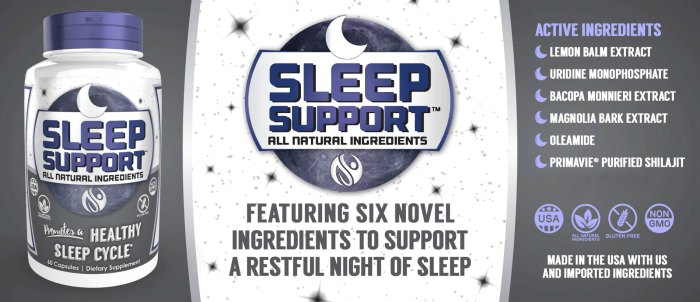
Sleep support supplements for sweet dreams and skin

Sleep support supplements

Picture this: you, cocooned in your blankets, drifting off into a whimsical dreamland, where unicorns dance and snooze buttons are non-existent. With Sleep support supplements strutting onto the scene, your nightly escapades might just take a turn for the fantastical! These little capsules of serenity promise to enhance your sleep quality, but they also come with a side of skin-care benefits that could make your complexion glow like a moonlit night.

Dive into the world of Sleep support supplements, where melatonin, valerian root, and other magical ingredients team up to help you catch those elusive Zs. But beware! Like any hero’s journey, there are potential side effects and safety considerations lurking in the shadows. So fasten your sleep masks as we explore the enchanting realm of supplements that promise not only restful nights but also radiant days!

Sleep Support Supplements Overview

Sleep support supplements

In a world that often treats sleep like a pesky inconvenience rather than a vital necessity, sleep support supplements have emerged as the superheroes of our nighttime routines. These little capsules promise to whisk you away to the land of dreams quicker than you can say “counting sheep,” helping improve sleep quality and overall well-being.Sleep support supplements typically contain an array of ingredients designed to promote relaxation and ensure a restful slumber.

These ingredients work in harmony to tackle the common enemies of sleep: stress, anxiety, and restless legs (not the funky dance move, but the real deal). Understanding what these components do can help you choose the right supplement for your nocturnal needs.

Common Ingredients in Sleep Support Supplements

When navigating the aisle of sleep aids, it’s essential to know what you’re getting into. Below are some common ingredients found in sleep support supplements and their respective magic tricks:

  • Melatonin: Often dubbed the “sleep hormone,” melatonin helps regulate your circadian rhythm. It’s like your internal alarm clock, reminding you when it’s time to hit the hay.
  • Valerian Root: This herbal wonder has been used for centuries to combat insomnia. Think of it as a cozy blanket for your mind, easing you into slumber.
  • Magnesium: Not just for muscle cramps! Magnesium relaxes the nervous system, helping reduce anxiety and encouraging a peaceful night’s sleep.
  • Chamomile: This delightful flower is known for its calming properties, often enjoyed as a tea. In supplements, it helps you unwind and drift off gently.
  • L-theanine: Found in green tea, L-theanine promotes relaxation without drowsiness, making it the perfect companion to help you ease into sleep without feeling groggy.

Potential Side Effects and Safety Considerations

While the prospect of a good night’s sleep is undeniably alluring, it’s crucial to approach sleep support supplements with a healthy dose of caution. Just as not every hero wears a cape, not every supplement is without its drawbacks. Some potential side effects include:

  • Drowsiness: The very thing you want when it’s bedtime can become a problem if you need to be alert the next morning.
  • Digestive Issues: Some ingredients, like valerian root, might cause stomach upset for sensitive individuals.
  • Allergic Reactions: Always check for potential allergens, especially with herbal supplements.
  • Interactions with Medications: Certain supplements might interfere with prescription medications, so consulting a healthcare provider is key.

“A good night’s sleep is the best medicine—unless it’s also interacting with your meds.”

When considering sleep support supplements, always prioritize safety by starting with lower doses and consulting with a healthcare professional, especially if you have underlying health conditions or are pregnant. Remember, even superheroes have their kryptonite!

Connection Between Sleep and Skin Care

When it comes to achieving that coveted glow, sleep isn’t just for the faint of heart—it’s your skin’s best friend! Imagine your skin lounging on a beach chair with a tropical drink in hand, soaking up the restorative powers of sleep. Just as a good night’s rest refreshes your mind, it revitalizes your skin, too. Let’s dive into the marvelous ways that snoozing can turn your complexion from drab to fab, and explore some sleep support supplements that work wonders for both your dreams and your dermis.Sleep directly impacts skin health and appearance, acting as a beauty elixir that helps combat signs of aging, acne, and dullness.

During those blissful hours of slumber, your skin undergoes a repair process, regenerating cells and boosting blood flow. This means a well-rested face can look plumper and more radiant—like a peach basking in the summer sun! Lack of sleep, on the other hand, can lead to increased stress hormones, making skin woes like breakouts and dark circles a reality. So, if you’re aiming for skin that screams “I just had a spa day,” you might want to prioritize those ZZZs.

Sleep Support Supplements Benefiting Skin Care

In the battle of beauty, some sleep support supplements have emerged as champions, offering skin-nurturing benefits alongside their sleep-inducing powers. Let’s take a closer look at these delightful little capsules (or powders) that can help you unlock both dreamland and that elusive glow.

Here are some sleep support supplements that double as skin-care saviors:

  • Melatonin: This powerhouse hormone not only helps regulate your sleep-wake cycle but also possesses antioxidant properties that fend off free radicals, keeping your skin youthful and vibrant.
  • Magnesium: Known as the ultimate relaxant, magnesium not only improves sleep quality but also helps to reduce inflammation and supports skin barrier function, promoting a smooth and even complexion.
  • Collagen Peptides: With their ability to support skin elasticity and hydration, collagen peptides can be taken before bedtime for a deliciously effective night-time beauty boost.
  • L-Theanine: This amino acid found in tea can help you unwind and improve the quality of your sleep, while also promoting a healthy glow by reducing stress-related skin issues.

All these supplements are like your skin’s night shift workers, tirelessly ensuring that you wake up looking fresh and fabulous. But wait, there’s more! Let’s not forget about some natural remedies that also help improve sleep and skin health.

Natural Remedies for Better Sleep and Skin Benefits

While sleep support supplements are handy, several natural remedies can also pave the way for restful nights and bright mornings. These remedies aren’t just old wives’ tales; they have merits backed by various studies and traditions.

Here are a few natural sleep aids that can help improve skin health:

  • Chamomile Tea: Sip on this calming brew to ease your mind and help you drift off, while its anti-inflammatory properties can soothe irritated skin.
  • Lavender Essential Oil: Known for its relaxation powers, lavender can be inhaled or used in a warm bath to promote better sleep, and its antiseptic qualities may help keep your skin clear and healthy.
  • Valerian Root: This herbal remedy can enhance sleep quality, and studies suggest it may also aid in reducing skin issues related to stress.

“A good night’s sleep is like a mini-vacation for your skin!”

Balancing these natural remedies with sleep support supplements can lead to a harmonious relationship between your snooze time and skin health. It’s like having a skincare routine that works even while you dream. So, whether you choose a supplement or a herbal tea, remember that prioritizing sleep is essential not just for your well-being but for your skin’s vitality too!

Sleep, Wellness, and Lifestyle

Sleep support supplements

Ah, sleep—the magical realm where dreams frolic and worries take a well-deserved vacation! But did you know that good ol’ slumber is not just a nightly escape? It’s a cornerstone of wellness that can transform your life. Sleep support supplements swoop in like superheroes in this cozy narrative, enhancing our sleep quality and, by extension, our holistic wellness journey. Pairing them with spa retreats, wellness routines, and a sprinkle of self-care can create a delightful harmony that even a symphony conductor would envy!In the grand tapestry of health, sleep plays a vital role.

It not only refreshes our minds but also rejuvenates our bodies, helping us tackle life’s challenges with the zeal of a caffeinated squirrel. Just as yoga stretches the body and calms the mind, optimizing our nightly rest ensures that our days are filled with vigor and vitality. So, let’s dive into the soothing waters of lifestyle changes that can amplify the effects of those dreamy little supplements!

Holistic Integration of Sleep Support Supplements

Incorporating sleep support supplements into a holistic wellness routine can feel like adding a cherry on top of a health sundae. When combined with activities like spa treatments and yoga, they can significantly enhance your overall well-being. Consider the following aspects:

  • Spa Treatments: Regular visits to the spa can help create a serene environment that promotes relaxation. Combine this with sleep supplements, and you’re on your way to blissful slumber.
  • Mindfulness Practices: Engaging in mindfulness techniques such as meditation or deep breathing can prepare your mind for sleep, working synergistically with your supplements.
  • Massage Therapy: A good massage can alleviate physical tension, making it easier for your body to respond to sleep aids. It’s like sending your body a “thank you” for a hard day’s work!

Integrating sleep support into your wellness routine is like adding a secret ingredient to your favorite dish—it elevates the experience!

Importance of Sleep in Relation to Yoga Practices

Yoga and sleep share a close-knit bond that resembles two best friends who finish each other’s sentences. The benefits of sleep extend to improved flexibility, reduced stress, and enhanced mental clarity—all by-products of a solid yoga routine. When you practice yoga, you not only prepare your body for restful sleep but also create a tranquil mind that is ready to dream big!Here’s how yoga complements sleep quality:

  • Physical Relaxation: Gentle yoga poses help to relax tense muscles and promote blood circulation, making it easier to drift off into dreamland.
  • Mental Calmness: Yoga encourages mindfulness, reducing the mental chatter that often keeps us awake at night.
  • Routine Establishment: Incorporating yoga into your evening routine signals to your body that it’s time to wind down, enhancing the effectiveness of sleep supplements.

Sleep and yoga are like peanut butter and jelly—together, they create something beautifully balanced!

Lifestyle Changes to Enhance Sleep Support Supplement Effectiveness

To maximize the power of your sleep support supplements, consider making some lifestyle tweaks that can transform your nightly routine into a veritable sleep sanctuary. Here’s a curated list of changes to contemplate:

  • Consistent Sleep Schedule: Going to bed and waking up at the same time every day can regulate your body’s internal clock, making it easier to fall asleep.
  • Limiting Screen Time: Reducing exposure to screens before bed helps prevent that pesky blue light from sabotaging your sleep quality.
  • Creating a Restful Environment: Adjusting your bedroom with soft lighting and cozy pillows can make it a haven of tranquility.
  • Healthy Eating Habits: Avoid heavy meals close to bedtime to prevent discomfort that could keep you tossing and turning.
  • Regular Exercise: Engaging in physical activity during the day can help you fall asleep faster and enjoy deeper sleep.

Transforming your lifestyle isn’t about making drastic changes—small adjustments can lead to big results in your sleep quality!

End of Discussion

As we wrap up our sleepy saga, it’s clear that Sleep support supplements are not just about counting sheep; they’re the secret allies in your quest for better sleep and glowing skin! Whether you’re a night owl or a sleepyhead, these supplements can work wonders when paired with lifestyle changes and a sprinkle of self-care. So next time you curl up with a good book or prepare for a beauty sleep, remember that with a bit of help from these little wonders, you can wake up feeling refreshed and fabulous!

Expert Answers

What are sleep support supplements?

They are dietary aids designed to enhance sleep quality and address issues like insomnia or restlessness.

How long does it take for sleep support supplements to work?

Effects can vary, but many users notice improvements within 30 minutes to 1 hour after consumption.

Are sleep support supplements safe for everyone?

While many are safe, it’s best to consult a doctor, especially for those with pre-existing health conditions or who are pregnant.

Can I take sleep support supplements with other medications?

Consult with a healthcare professional to avoid any adverse interactions with other drugs.

Do sleep support supplements have side effects?

Possible side effects include drowsiness, dizziness, or digestive issues, though most are mild and temporary.

Omega-3 supplements The Fishy Secret to Wellness

Omega-3 supplements

Picture this: you’re scrolling through the aisles of your local health store, and amidst the kale chips and protein powders, you stumble upon the treasure trove of Omega-3 supplements. These little capsules are like the knights in shining fish oil armor, ready to joust with inflammation, boost heart health, and even sprinkle some magic on your skin! Dive in, because we’re about to explore the swimming world of Omega-3 supplements and their delightful benefits.

From the different types swimming around in the market to their superhero-like powers of improving wellness, Omega-3 supplements offer a buffet of health benefits that are hard to resist. Whether you’re looking to enhance your skincare routine, improve your sleep, or simply keep your heart beating like a well-tuned drum, these fatty acids are here to help you tackle life with a splash of vitality!

Understanding Omega-3 Supplements

Omega-3 supplements

Omega-3 supplements have become the superheroes of the dietary world, swooping in to save our hearts and brains from the perils of modern living. These essential fatty acids are not just a trend; they’re the real deal when it comes to promoting overall wellness. Let’s dive into the ocean of Omega-3s and uncover the different types available, their health benefits, and their magical powers of heart health and inflammation reduction.

Types of Omega-3 Supplements

Navigating the supplement aisle is like trying to choose a favorite child; there are so many options! Here are the primary types of Omega-3 supplements that you can paddle your way through:

  • Fish Oil: The classic choice, derived from the oily fish like salmon, mackerel, and sardines. It’s packed with EPA and DHA for the ultimate health boost.
  • Krill Oil: Sourced from tiny crustaceans, this oil is touted for its superior absorption and antioxidant properties. Plus, it’s got a fancy name!
  • Algal Oil: The plant-based alternative, perfect for vegetarians and vegans. It’s derived from algae and provides DHA, making it a great seafood-free option.
  • Flaxseed Oil: Known for being rich in ALA, this oil comes from the flax plant. It’s a staple in many diets but needs to be converted into EPA and DHA by the body.

Health Benefits of Omega-3 Fatty Acids

Omega-3 fatty acids are not just buzzwords; they come with substantial health benefits that can keep your body functioning like a well-oiled machine. Incorporating these fatty acids into your diet can lead to:

  • Brain Health: Omega-3s play a crucial role in cognitive function and may even reduce the risk of Alzheimer’s. Think of it as brain food for boosting memory and focus.
  • Mood Regulation: Studies suggest that Omega-3s can help alleviate symptoms of depression and anxiety, acting like a natural mood stabilizer.
  • Eye Health: DHA, a type of Omega-3, is a vital component of the retina. A diet rich in Omega-3s may help prevent age-related macular degeneration.

Omega-3 Supplements and Heart Health

When it comes to heart health, Omega-3s are like the valiant knights in shining armor. They work diligently to protect your cardiovascular system. Here’s how they do it:

“Omega-3 fatty acids can lower triglyceride levels, reduce the risk of arrhythmias, and lower blood pressure.”

Regular consumption of Omega-3s can lead to several heart-friendly benefits:

  • Lower Triglycerides: These fatty substances in your blood can lead to heart disease. Omega-3s have been shown to reduce triglyceride levels significantly.
  • Reduced Inflammation: Chronic inflammation is a silent contributor to heart disease. Omega-3s help regulate inflammatory responses in the body.
  • Improved Blood Vessel Function: Omega-3s can enhance endothelial function, which is essential for maintaining proper blood flow and reducing heart strain.

Inflammation Reduction through Omega-3s

Chronic inflammation is like that unwelcome party guest who overstays their welcome, causing havoc in your body. Omega-3 supplements can help kick this guest to the curb. The anti-inflammatory properties of Omega-3s can soothe the body inside and out, providing relief from various ailments.

“Incorporating Omega-3s into your diet can be a game changer for managing chronic inflammation.”

Here’s how Omega-3s work their magic against inflammation:

  • Joint Health: Omega-3s may help reduce the symptoms of joint pain and stiffness, especially in conditions like arthritis.
  • Skin Health: They can improve skin conditions like eczema and psoriasis, helping to calm irritation and redness.
  • Gut Health: Omega-3s can support a healthy gut by reducing inflammation in the digestive tract, promoting overall digestive wellness.

Omega-3 Supplements and Skin Care

Omega-3 supplements

When it comes to skin care, many of us are always on the lookout for the next miracle cream or potion. But what if I told you that a humble supplement could work wonders for your skin? Enter Omega-3 supplements, the unsung heroes of hydration and elasticity. Packed with essential fatty acids, these little gems help keep your skin plump, hydrated, and ready to take on the world—or at least that meeting at 9 AM.

Omega-3 supplements play a crucial role in enhancing skin hydration and elasticity by nourishing the skin from within. These essential fatty acids help to strengthen the skin’s barrier function, preventing moisture loss and promoting a dewy, youthful appearance. Studies have shown that individuals taking Omega-3 supplements can experience improved skin texture and vitality, as well as a noticeable decrease in dryness.

Imagine your skin as a sponge—Omega-3s transform it from a dried-out raisin into a juicy, plump grape!

Improvement of Skin Inflammation and Conditions

Omega-3 fatty acids are not just about hydration; they are also inflammation’s worst nightmare! These superheroes of the supplement world have been shown to reduce inflammation, making them a go-to for those battling skin conditions like eczema, psoriasis, and acne. By promoting an anti-inflammatory response, Omega-3s help calm the storm of redness and irritation, allowing your skin to breathe easy and shine bright.

Consider these key benefits of Omega-3s for your skin:

  • Reduces redness and irritation:

    Studies reveal that Omega-3 can significantly calm inflamed skin, making it an ally for those with inflammatory skin conditions.

  • Helps combat acne:

    Research suggests that Omega-3s may reduce the production of inflammatory mediators, leading to fewer breakouts.

  • Supports skin barrier function:

    Omega-3s contribute to the skin’s natural barrier, keeping it hydrated and protected from environmental aggressors.

Designing a skincare routine that includes Omega-3 supplements can elevate your skin game to new heights. Here’s a simple yet effective skincare routine to help you reap the benefits of Omega-3s:

1. Morning Routine

Start your day with an Omega-3 supplement to kickstart hydration from within. Pair it with a gentle cleanser to wash away the overnight grime.

Follow up with a hydrating serum rich in hyaluronic acid to boost moisture levels.

Finish off with a broad-spectrum sunscreen to protect against UV damage, because sunburn is not the glow we’re after!

2. Evening Routine

Cleanse your face with a soothing cleanser to remove makeup and impurities.

Apply a nourishing oil or cream that contains Omega-3 sources like flaxseed or chia seed oil to lock in moisture overnight.

Don’t forget your Omega-3 supplement again to ensure your skin stays hydrated while you dream of unicorns and rainbows.

By incorporating Omega-3 supplements and products into your skincare routine, you can achieve hydrated, elastic skin that feels as good as it looks. So go ahead, embrace the power of Omega-3s, and let your skin glow like the star it truly is!

Omega-3 Supplements in Relation to Sleep and Wellness

When it comes to sleep and wellness, Omega-3 supplements are like the fairy godmothers of the nutrient world, sprinkling a little magic to help transform restless nights into serene slumbers. These fatty acids are renowned for their plethora of health benefits, but their impact on sleep quality and mental wellness is particularly enchanting. So let’s dive into the deep end of the Omega-3 pool and see how these little capsules can help you catch those Z’s while keeping stress at bay.

Impact of Omega-3 on Sleep Quality and Snoring Issues

Omega-3 supplements have been shown to play a pivotal role in improving sleep quality. Multiple studies suggest that adequate Omega-3 levels can significantly enhance the duration and depth of sleep. These magical fats may help regulate the sleep hormone melatonin, ensuring you drift off to dreamland without tossing and turning like an overcooked spaghetti noodle. As for snoring, Omega-3s can help to reduce inflammation throughout the body, including the airways.

A study published in the American Journal of Clinical Nutrition showed that increased Omega-3 intake led to a decrease in snoring severity. This means that not only will you enjoy a quieter night, but you’ll also save your partner from sounding like a freight train when they finally fall asleep.

“Increasing Omega-3 intake can reduce inflammation and improve sleep quality, making you less of a nighttime orchestra and more of a soothing lullaby.”

Benefits of Omega-3 for Mental Wellness and Stress Reduction

Omega-3 supplements are not just about sweet dreams; they’re also your brain’s best buddy when it comes to mental wellness. These fantastic fatty acids are linked to lower levels of depression and anxiety. Research shows that Omega-3s can boost the production of serotonin, the feel-good neurotransmitter, which is like adding a splash of sunshine to your brain.Moreover, Omega-3s can help manage stress levels effectively.

They reduce the production of stress hormones like cortisol, making it easier for you to maintain your zen-like state even when life throws a curveball your way. So, think of Omega-3s as your personal stress-busting bouncers, keeping anxiety at the door and letting tranquility in.

“Omega-3s are not just for your heart; they are essential for your brain, helping to ease stress and promote mental well-being.”

Wellness Plan Integrating Omega-3 for Better Sleep and Relaxation

Creating a wellness plan that incorporates Omega-3 supplements can be as easy as pie (or a perfectly seasoned salmon). Here’s a straightforward approach to maximizing the benefits of Omega-3s for better sleep and relaxation:

1. Choose Your Source

Opt for high-quality Omega-3 supplements, such as fish oil or algae oil, which are rich in EPA and DHA. Aim for a daily intake of at least 1,000 mg of combined EPA and DHA.

2. Timing is Everything

Take your Omega-3 supplements with dinner. This not only enhances absorption but can also help calm your body down before bed, setting the stage for a restful night.

3. Pair with Sleep-Friendly Foods

Incorporate foods high in Omega-3s into your diet, such as fatty fish, walnuts, and chia seeds. Pair these with magnesium-rich foods like spinach and bananas for added relaxation benefits.

4. Establish a Bedtime Ritual

Create a calming bedtime routine that includes a tech-free wind-down period. This could involve reading, gentle yoga, or sipping chamomile tea alongside your Omega-3 supplement.

5. Track Your Progress

Keep a sleep journal to monitor your sleep quality and emotional wellness. Note any changes you experience as you integrate Omega-3s into your routine. By following this plan, you’re not just adding Omega-3s to your diet; you’re crafting a recipe for enhanced sleep and a stress-free life, all while embracing the power of these marvelous nutrients!

Epilogue

In conclusion, Omega-3 supplements are not just another trend; they’re the fishy allies we didn’t know we needed. With their ability to promote heart health, boost your skin’s glow, and even improve your sleep quality, it’s clear that these supplements deserve a spot in your daily regimen. So, whether you’re a wellness warrior or just trying to keep up with life’s demands, don’t overlook the power of Omega-3s – they just might be the secret ingredient to your best self!

FAQ

What are the different types of Omega-3 supplements?

The main types include fish oil, algae oil, krill oil, and flaxseed oil, each providing varying levels of EPA and DHA, the key Omega-3 fats.

Can Omega-3 supplements improve mental health?

Yes! Omega-3s have been shown to have a positive effect on mood and cognitive function, making them a great addition for mental wellness.

Are there any side effects from taking Omega-3 supplements?

While generally safe, some may experience minor side effects like fishy aftertaste or digestive upset, so it’s always best to consult a healthcare provider.

How long does it take to feel the benefits of Omega-3?

Many people report feeling benefits within a few weeks, but optimal results might take a month or more of consistent use.

Can I get enough Omega-3s from my diet alone?

While it’s possible to get Omega-3s through foods like fatty fish, flaxseeds, and walnuts, supplements can help ensure you’re meeting your daily needs.

Protein supplements the secret sauce to muscle magic

Protein supplements

Protein supplements are like the superheroes of the nutrition world, swooping in to save our muscles from the clutches of weakness. Whether it’s the smooth-talking whey, the patient casein, the friendly soy, or the plant-based pals, there’s a protein supplement for everyone, ready to help you flex those muscles like never before!

Incorporating these mighty powders into your diet can be the difference between feeling like a couch potato and a gym warrior. Not only do they pack a protein punch, but they also aid in recovery and can turn your post-workout snack into a delectable feast. And let’s be honest, who doesn’t want to be the envy of their friends with all this muscle gain and recovery magic?

Protein Supplements Overview

Protein supplements

Protein supplements are the culinary superheroes of the fitness world, swooping in to save the day when your plate is looking a little too lean. Whether you’re a gym rat, a casual workout enthusiast, or just someone who enjoys flexing their biceps while holding a pizza, these supplements can be a game-changer. With options like whey, casein, soy, and plant-based varieties, there’s something to suit every palate and dietary preference.

Let’s dive into the world of protein supplements and see why they might just become your new best friend in achieving muscle gains and speedy recovery.

Types of Protein Supplements

There are several types of protein supplements, each boasting its unique benefits and flavor profiles. Understanding these can help you choose the one that aligns with your fitness goals and dietary needs. Here’s a breakdown of the most popular options:

  • Whey Protein: The fast-acting hero, whey protein is derived from milk and is quickly absorbed by the body. It’s perfect for post-workout recovery, helping to repair and build muscle. It’s like giving your muscles a high-five right after they’ve finished lifting!
  • Casein Protein: The night owl of proteins, casein is also milk-derived but digests slowly, providing a steady release of amino acids over time. This makes it ideal for overnight muscle repair—think of it as a cozy blanket for your muscles while you snooze.
  • Soy Protein: A great choice for vegans and vegetarians, soy protein packs a punch with its complete amino acid profile. It’s like the Swiss Army knife of proteins—versatile and handy in various dietary situations.
  • Plant-Based Protein: Made from sources like peas, hemp, and brown rice, plant-based proteins cater to those looking for a more natural, nutrient-dense option. Plus, they make you feel like you’re eating your veggies, even when you’re just sipping a shake!

Benefits of Protein Supplements for Muscle Gain and Recovery

Incorporating protein supplements into your diet can significantly enhance muscle gain and recovery post-exercise. They provide a focused, concentrated source of protein which is crucial for muscle repair and growth. Nutritionists often recommend consuming protein shortly after workouts to take advantage of the body’s heightened ability to absorb nutrients.

“A protein-rich diet can aid in muscle recovery, promoting quicker healing and growth, while also staving off those pesky post-workout cravings.”

The benefits of protein supplements extend beyond just muscle building. They can also help in weight management by curbing appetite and enhancing metabolism. Basically, they’re like a personal trainer in a scoop, whispering sweet nothings of gains and gains to your muscles.

Protein Supplements Versus Whole Food Protein Sources

While whole food protein sources—like chicken, fish, eggs, legumes, and nuts—are nutritious, protein supplements offer a convenient alternative for those with busy lifestyles or specific dietary restrictions. Here’s a closer comparison:

  • Convenience: Protein supplements are quick to prepare and easy to consume, making them ideal for on-the-go nutrition, whereas whole foods may require cooking time.
  • Portion Control: Supplements come with clear serving sizes, making it simpler to meet daily protein intake goals, while portion sizes of whole foods can be less straightforward.
  • Digestibility: Many protein powders are easier on the stomach and can be digested quickly, allowing for faster recovery after intense workouts.
  • Nutrient Density: While whole foods provide a wide range of nutrients beyond protein, supplements can be fortified with additional vitamins and minerals to support overall health.

Integration with Health and Wellness Practices

Protein supplements are like the sidekicks of the health world, gallantly stepping in to support your wellness journey—especially when it comes to weight loss and fitness. Think of them as your trusty cape, ready to help you soar above hunger pangs and fatigue. They play a crucial role in many health and wellness practices, particularly for those looking to shed some pounds without sacrificing their sanity (or their taste buds).

Role of Protein Supplements in Weight Loss Programs

In the quest for a sleeker silhouette, protein supplements serve as a powerful ally. They help in managing hunger levels effectively, making it easier to resist the siren call of that donut in the break room. Protein has a magical quality of increasing satiety, which means you’ll feel fuller for longer. This can lead to reduced cravings and fewer mindless munching marathons.

Consider this: a study published in the American Journal of Clinical Nutrition found that people who increased their protein intake while on a diet reported feeling less hungry and more satisfied with their meals. So, adding a scoop of protein powder to your smoothie or enjoying a protein-packed snack can keep the grumbling stomach at bay and help you stay on track with your weight loss goals.

Combining Protein Supplements with Yoga Practices

Imagine pairing the zen of yoga with the muscle-loving powers of protein. This combination isn’t just for achieving a higher level of enlightenment; it’s also about enhancing performance and recovery. When you practice yoga, your body engages in muscle recovery and flexibility improvement, and supplementing with protein can support these processes efficiently.After a yoga session, your muscles are like sponges, ready to soak up nutrients.

This is where protein supplements shine bright like a yoga mat in a sunlit room. They can help repair muscle tissue and build lean muscle mass, giving you the strength to conquer your next downward dog with ease. To integrate protein supplements into your yoga routine:

  • Consider a protein shake post-practice to kickstart recovery.
  • Add a scoop of protein powder to your favorite smoothie for a pre-yoga energy boost.
  • Mix protein powder into your homemade energy bars for a convenient snack before class.

Ideal Timing for Protein Supplementation

When it comes to protein, timing is everything. Knowing when to fuel your body can make a significant difference in your performance and recovery. Below is a guide on ideal timing for protein supplementation surrounding workouts and sleep:

  • Pre-Workout: Consume protein 30-60 minutes before exercising to prepare your muscles.
  • Post-Workout: A protein shake within 30 minutes after your workout can aid in recovery.
  • Before Bed: Taking casein protein can help with muscle repair overnight, as it digests slowly.

By aligning your protein intake with your workout schedule and sleep patterns, you can optimize your health and wellness journey, keeping your muscles happy and your stomach in check.

Related Health Topics

When it comes to protein supplements, they don’t just pack a punch for your muscles; they also have a few tricks up their sleeves for your overall health. Let’s dive into how these power-packed powders can play a starring role in supporting your thyroid health, enhancing your skin’s glow, and even improving your snoozing skills—yes, you heard that right!

Protein Supplements and Thyroid Health

Protein supplements have a fascinating connection with thyroid health and metabolism. The thyroid gland is like the body’s thermostat, regulating metabolism and energy production. Adequate protein intake can support thyroid function and promote a healthy metabolic rate. Think of protein as the loyal sidekick to your thyroid hero, helping it maintain energy levels that keep your day-to-day life buzzing.

  • Protein provides amino acids, which are essential for the production of thyroid hormones.
  • Research indicates that a sufficient protein intake may prevent hypothyroidism-related symptoms, such as fatigue and weight gain.
  • Ensuring a balanced intake of both proteins and essential nutrients can optimize metabolic function.

“A well-functioning thyroid is the key to a well-functioning metabolism!”

Protein Intake and Skin Care

The relationship between protein intake and skin health is as beautiful as a fresh face in the morning. Protein is a fundamental building block of skin, hair, and nails. It plays a crucial role in repairing tissues and maintaining elasticity, making it a fantastic companion in your quest for radiant skin.

  • Protein supports collagen production, which keeps skin firm and youthful.
  • Adequate protein intake can aid in wound healing and reduce signs of aging.
  • Consuming protein-rich foods or supplements can promote a vibrant complexion and may even help in reducing acne.

“Your skin is like a canvas; protein is the paint that keeps it vibrant!”

Protein Supplements and Sleep Quality

Imagine a world where protein supplements not only fuel your workouts but also help you achieve sweet dreams—well, that world is a reality! Protein can influence sleep quality, ensuring that you wake up refreshed and ready to conquer the day. Additionally, it can potentially reduce snoring, making you the dreamiest sleeper in the room.

  • Protein aids in the production of serotonin, a neurotransmitter that regulates sleep.
  • A well-balanced intake of protein throughout the day can lead to improved sleep patterns.
  • Certain protein sources, like casein, can promote better sleep quality when consumed before bedtime.

“Good sleep is the foundation of a great day, and protein is the key to the door!”

Final Conclusion

Protein supplements guide ultimate them use fitness

So, whether you’re looking to bulk up, slim down, or just keep your muscles happy, protein supplements can be your trusty sidekick. With the right balance, timing, and a sprinkle of humor, you can transform your fitness journey into a legend worth telling. Remember, your muscles are always ready for the next adventure!

User Queries

What are protein supplements made of?

Protein supplements can be made from whey, casein, soy, pea, or other plant sources, ensuring there’s something for everyone!

When is the best time to take protein supplements?

The golden window for protein supplementation is usually within 30 minutes post-workout, but they can also be enjoyed throughout the day.

Can protein supplements help with weight loss?

Absolutely! They can promote satiety, helping to manage hunger and control calorie intake while you shed those extra pounds.

Are protein supplements safe for everyone?

While generally safe for most people, it’s wise to check with a healthcare provider, especially if you have allergies or medical conditions.

Do protein supplements cause digestive issues?

Some individuals may experience digestive discomfort, especially with whey, so opting for plant-based options can be a gentler choice.

Pronunciation therapy Unleashing the Power of Articulation

Pronunciation therapy

Welcome to the wild world of pronunciation therapy, where every syllable is a celebration and mispronunciations are merely the comedic bloopers of our speech saga! Imagine a land where tongue twisters are no longer a tongue-twisting tragedy but rather a thrilling adventure in communication.

In this journey, we’ll explore various magical techniques that transform speech difficulties into smooth articulations. From quirky exercises that make your mouth dance to the crucial role of speech pathologists as our guiding wizards, we unveil how pronunciation therapy is intricately woven into the bigger tapestry of speech pathology. Get ready to unlock the secrets of clarity, discover hidden health influences, and maybe chuckle a bit along the way!

Pronunciation Therapy Techniques

Pronunciation therapy

Pronunciation therapy is a treasure trove of quirky techniques designed to help individuals overcome speech challenges. Each technique is like a trusty sidekick in the journey to articulate words with confidence and flair. Whether you’re a speech therapist or someone who’s simply curious, understanding these techniques can make a world of difference!Various techniques employed in pronunciation therapy focus on enhancing articulation and facilitating clearer speech.

From auditory discrimination exercises to the use of visual aids, these methods cater to diverse needs. Let’s delve into some of the most effective strategies utilized in therapy sessions that promise to transform tongue-tied moments into joyful, clear conversations.

Articulation Techniques

Articulation techniques are crucial for individuals struggling with speech clarity. These methods help refine the physical production of speech sounds. Here are some popular techniques used to enhance articulation:

  • Phonetic Placement: This method involves teaching individuals where to position their tongue, lips, and jaw to produce specific sounds. Imagine a game of charades, but instead of acting, you’re strategically placing your speech organs for success!
  • Sound Contrast Therapy: By contrasting similar sounds, this technique sharpens the listener’s auditory skills. For instance, practicing the difference between “bat” and “pat” can transform your verbal skills from a whisper to a confident declaration.
  • Drill Exercises: Repetition is the mother of retention! Engaging in repetitive drills can solidify correct pronunciations. Singing “Twinkle, Twinkle, Little Star” while emphasizing specific sounds can be both fun and effective!
  • Visual Feedback: Using mirrors during practice can be a game-changer. Seeing your mouth movements provides instant feedback, helping you adjust your articulation. It’s like having a personal speech coach right there with you!

Effective Exercises for Pronunciation Training

Incorporating specific exercises into therapy sessions can significantly boost pronunciation skills. These exercises not only promote clarity but also make learning enjoyable. Here are some entertaining exercises designed to improve pronunciation:

  • Tongue Twisters: A classic favorite! Reciting tongue twisters like “She sells seashells by the seashore” can turn any session into a laugh-fest while simultaneously honing articulation abilities.
  • Sound Scavenger Hunt: Create a list of sounds to find in everyday conversation. For instance, identify words that start with the same sound as the name of a favorite snack. This playful exercise integrates learning into real-life situations.
  • Storytelling with a Twist: Encourage storytelling sessions where participants must use specific sounds or words. The creative process not only aids pronunciation but also builds confidence in speaking.
  • Mirror Mimicking: Pair up with a partner for a mirror mimicking exercise. One person articulates sounds while the other mirrors the mouth movements. This hilarious game can lead to both improved pronunciation and a few giggles!

“Clear speech is the bridge to effective communication.”

An encouraging reminder for all pronunciation therapy enthusiasts!

Intersection of Speech Pathology and Pronunciation Therapy

The world of speech pathology is a fascinating labyrinth, filled with sounds, syllables, and the occasional tongue-twister that would make even a seasoned linguist break a sweat. Within this vibrant domain lies the specialized realm of pronunciation therapy, where speech pathologists don their superhero capes to tackle the challenges of articulation and clarity. Here, we dive into the pivotal role that speech pathologists play and how their techniques shape the landscape of pronunciation therapy.Speech pathologists are like the personal trainers of the verbal world, guiding clients through a series of exercises designed to enhance speech clarity and confidence.

They utilize a treasure trove of strategies, from breath control to mouth positioning, ensuring that each individual can conquer their pronunciation challenges with finesse. Pronunciation therapy, in this context, is not just a side quest but an integral part of the broader speech pathology practice. By addressing pronunciation issues, speech pathologists can impact other aspects of communication, including language comprehension, social interaction, and even academic performance.

Role of Speech Pathologists in Pronunciation Therapy

The role of speech pathologists in providing pronunciation therapy is multifaceted and essential. They bring a wealth of knowledge and an arsenal of techniques to help individuals overcome their specific challenges. Here are some key aspects of their role:

  • Assessment of Speech Sounds: Speech pathologists conduct thorough evaluations to identify pronunciation difficulties, mapping out a personalized therapy plan based on individual needs. Imagine them as detectives, hunting down those elusive sounds!
  • Creating Customized Therapy Plans: Each plan is unique, tailored to the individual’s age, culture, and specific speech challenges, ensuring that every therapy session packs a punch!
  • Implementing Evidence-Based Techniques: They employ techniques backed by research, such as phonetic placement and auditory discrimination exercises, to build a stronger foundation for clear speech.
  • Monitoring Progress: Speech pathologists track improvements and make adjustments as needed, like skilled chefs perfecting a recipe until it’s just right.

Challenges Faced by Speech Pathologists

Despite their expertise, speech pathologists encounter various challenges when addressing pronunciation issues. Understanding these obstacles can shed light on the complexities of their work:

  • Diverse Client Needs: Clients may present with a wide range of backgrounds, age groups, and cultural influences, requiring speech pathologists to be adaptable and culturally sensitive in their approaches.
  • Motivation and Engagement: Keeping clients motivated can be tricky; sometimes, they might prefer binge-watching their favorite show over practicing tricky tongue twisters. Finding creative ways to engage clients is crucial.
  • Resource Limitations: Access to resources and tools can vary significantly, leading to challenges in providing the most effective therapy strategies.
  • Limited Time Frames: Therapy sessions are often time-constrained, making it challenging to cover all the necessary techniques effectively within a limited timeframe.

“Pronunciation therapy is not just about correcting sounds; it’s about building confidence and fostering communication.”

Related Health Aspects Influencing Pronunciation

The clarity of our speech is not just a result of dedicated practice; it also dances to the tune of our overall health. From the quality of our sleep to the mysterious workings of our thyroid, various health aspects can significantly influence how our words flow. In this discussion, we explore how these factors intertwine with our ability to pronounce words clearly and confidently, making our vocal expressions truly harmonious.

Sleep Quality and Speech Clarity

When it comes to pronunciation, sleep quality plays a starring role. A good night’s rest can be the difference between a smooth, articulate speech and a jumbled, mumbling mess. Lack of sleep can lead to cognitive fog, which can affect your ability to form words and phrases effectively. Here are some key insights:

  • Sleep deprivation can reduce cognitive function, impacting articulation and clarity.

  • Fatigue can cause muscle tension in the throat and jaw, leading to slurred speech.
  • Quality sleep enhances memory consolidation, which is crucial for learning new pronunciations.
  • Deep sleep during REM cycles helps reset our vocal cords, improving vocal strength.

Thyroid Health Impact on Voice

A well-functioning thyroid is crucial for maintaining a healthy voice. The thyroid gland produces hormones that regulate metabolism, but they also influence vocal pitch and clarity. An imbalance can lead to voice issues that may perplex even the best speech therapists. Here’s how thyroid health can affect pronunciation:

  • Hypothyroidism may cause hoarseness and vocal fatigue due to slowed metabolism.

  • Hyperthyroidism can lead to a high-pitched voice and difficulty controlling vocal tone.
  • Thyroid conditions can cause swelling of the vocal cords, affecting clarity.
  • Proper thyroid function supports the overall health of the larynx and vocal cords.

Overall Wellness and Skin Health Influence on Vocal Quality

Believe it or not, the state of your skin can play a role in how you sound when you speak. Overall wellness, including skin health, contributes to vocal quality by ensuring good hydration and blood circulation. Let’s delve into some essential points regarding this connection:

  • Hydrated skin is often a reflection of a well-hydrated body, which supports vocal cord health.

  • Skin conditions like eczema or psoriasis may indirectly affect self-confidence, impacting vocal delivery.
  • Good nutrition enhances skin health, which in turn supports clear, resonant speech.
  • Stress manifests in skin issues, which can lead to vocal strain and less effective communication.

Epilogue

Pronunciation therapy

As we wrap up our whimsical ride through the realm of pronunciation therapy, remember that every word you pronounce is a step on the path to clarity and confidence. With the right techniques and the occasional sprinkle of humor, you can turn those pesky pronunciation problems into your personal playground. So, embrace the quirks, practice with glee, and let your true voice shine—because the world is waiting to hear you roar!

Quick FAQs

What is pronunciation therapy?

Pronunciation therapy is a specialized approach to help individuals improve their speech clarity by focusing on articulation and sound production techniques.

Who can benefit from pronunciation therapy?

Anyone facing speech difficulties, including children and adults with speech disorders, accents, or those recovering from strokes, can benefit from pronunciation therapy.

How long does pronunciation therapy usually take?

The duration varies by individual needs but typically involves several sessions over weeks or months, depending on the goals set.

Can pronunciation therapy help with accent modification?

Absolutely! Pronunciation therapy can assist individuals in modifying their accents to achieve clearer communication or to adapt to new linguistic environments.

Do I need a referral to see a speech pathologist for pronunciation therapy?

While not always required, some insurance plans may necessitate a referral, so it’s best to check with your provider.