Snoring surgery The ZZZ-olution to Your Noisy Nights

Snoring surgery

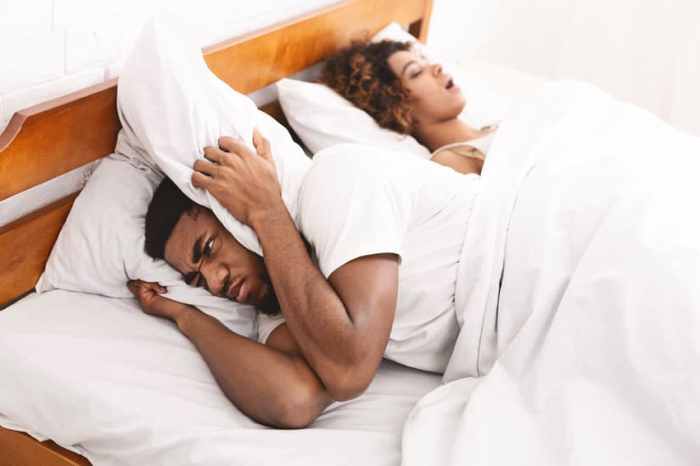
Ah, snoring surgery—the magical remedy for those who find their partners turning into human jackhammers at night! Imagine a world where sleep isn’t interrupted by the symphonic sound of snorts and snores. Well, grab your pillows and hold onto your earplugs because we’re diving into the world of snoring surgery, where peace and quiet reign supreme!

From various surgical options to the essential criteria for choosing this route, we’ll explore the ins and outs of snoring surgery. Plus, we’ll peek into the recovery process, because who doesn’t want to know how soon one can go back to dreaming peacefully while their partner’s dreams don’t turn into a snorefest?

Understanding Snoring Surgery

Snoring surgery might sound like the plot of a late-night infomercial, but for many, it’s a ticket to peaceful slumber. Imagine a world where your partner isn’t using earplugs or googling “how to sleep through a freight train.” The reality is that snoring can disrupt not only your beauty sleep but also the tranquility of those around you. Luckily, there are surgical options available that promise to silence those midnight symphonies.Various types of surgeries are designed to tackle the root causes of snoring, ranging from minimally invasive procedures to more extensive surgeries.

The effectiveness of these procedures can vary based on individual conditions, so let’s break down the options available.

Types of Snoring Surgeries

Different surgical approaches are tailored to address specific causes of snoring. Here are some of the most common types:

  • Uvulopalatopharyngoplasty (UPPP): This procedure removes excess tissue from the throat, including the uvula and part of the soft palate, to widen the airway. While it sounds like a mouthful, it can significantly reduce snoring in many patients.
  • Laser-Assisted Uvulopalatoplasty (LAUP): Using lasers instead of traditional surgical tools, this method also aims to reduce tissue in the throat, often resulting in less bleeding and a quicker recovery time.
  • Radiofrequency Tissue Reduction (RFTR): This non-invasive approach uses radiofrequency energy to shrink tissues in the throat, leading to a less obstructed airway. Think of it as a gentle nudge rather than a full-on demolition.
  • Septoplasty: For those whose snoring is caused by a deviated septum, this surgery straightens the nasal passage – essentially giving your nose a much-needed makeover.

Each of these procedures comes with its set of pros and cons. The effectiveness largely depends on the individual’s specific snoring issue. For example, UPPP may work wonders for some, while others may find relief with RFTR. It’s essential to consult a sleep specialist to determine which option might harmonize best with your unique situation.

Criteria for Choosing Snoring Surgery

When it comes to snoring surgery, not everyone may need to take the surgical plunge. Several factors can influence the decision to opt for surgery instead of less invasive treatments:

  • Severity of Snoring: If snoring is severe enough to qualify as obstructive sleep apnea, surgery may be warranted. If it’s just an occasional honk, maybe a nasal strip will suffice.
  • Impact on Daily Life: If snoring affects relationships or quality of life, surgery could be a viable option to reclaim peaceful nights.
  • Previous Treatments: If prior non-surgical treatments (like CPAP machines or dental devices) have failed, surgery might be the next step on the path to silence.
  • Health Considerations: Overall health and specific sleep-related issues play a critical role. Those with certain medical conditions may not be suitable candidates for surgical procedures.

Discussing these criteria with a medical professional can help align expectations and identify the most appropriate course of action.

Recovery Process Post-Snoring Surgery

Post-surgery recovery is as crucial as the procedure itself. Expect a bit of a rollercoaster ride during recovery, but not the thrill-seeking kind—more like the gentle bumps of a family-friendly amusement park.

  • Rest and Recovery: Immediately post-surgery, rest is key. Patients should expect some swelling and discomfort, which can be managed with prescribed pain relievers.
  • Dietary Adjustments: Soft foods will be your best friend for the first few days. Think mashed potatoes, smoothies, and lots of ice cream—it’s a great excuse to indulge!
  • Avoiding Strain: Activities that strain the throat, like heavy lifting or vigorous exercise, should be avoided for a few weeks to allow healing.
  • Follow-Up Appointments: Regular check-ups with the surgeon are essential to monitor healing and address any concerns that arise.

In some cases, a little patience pays off big. Full recovery can take a few weeks to a couple of months, but the potential for a snore-free existence makes it all worthwhile.

The Impact of Health and Wellness on Snoring

Snoring surgery

Snoring, that charming orchestra of night sounds, often plays a leading role in the sleep saga of many. However, little do we know that the quality of our sleep and our general wellness drastically impacts this nocturnal serenade. When health takes a hit, snoring can grow louder than a rock concert, affecting not just ourselves but also our sleep partners, who might be contemplating ear plugs.

So, let’s dive into the juicy details of how our lifestyle choices can either make us a harmonious sleeper or a snoring superstar.Sleep quality and overall health form an intricate dance where one partner’s missteps can lead to a cacophony of snoring. Poor sleep tends to lead to a multitude of health issues—think weight gain, heart disease, and even that delightful sensation of waking up feeling like a zombie.

The more we toss and turn, the louder our snores become, often leaving our partners questioning if we’ve taken up a role in a horror movie. Good quality sleep, on the other hand, resembles a soothing lullaby, minimizing the chances of snoring and paving the path to a healthier you.

Sleep Quality and Its Effects on Snoring

Quality of sleep directly correlates to the sounds we make while we dream. The deeper we sleep, the less likely we are to snore. Here are some key insights into how sleep quality affects snoring and overall wellness:

  • A consistent sleep schedule fosters better sleep quality, reducing the probability of snoring. When we stick to regular bedtimes, it’s like setting our biological clocks to ‘smooth jazz’ instead of ‘heavy metal’.
  • Sleep positions play a crucial role; sleeping on your back can lead to the tongue falling backward and blocking the throat, creating a snore-chestra. Side sleeping, however, is the preferred position for a peaceful night’s rest.
  • Sleep disorders, such as sleep apnea, can exacerbate snoring. Seeking medical advice for sleep issues can turn the volume down on these unwelcome sounds.

Lifestyle Changes That Can Reduce Snoring

Making lifestyle adjustments can help tune down those snoring sonatas. These changes are not just about looking good in swimwear; they can aid in reducing the symphony of snores. Here are effective lifestyle tweaks that can lead to quieter nights:Engaging in regular physical activity is essential. Exercise not only helps with weight management but also strengthens the muscles around your throat, minimizing the chances of snoring.

Picture a fit person jogging—each step is a step toward quieter nights!

  • Maintaining a healthy weight can lead to significant improvements. Extra pounds, especially around the neck area, can constrict the airway, making it more likely for the snoring symphony to commence. Losing even a small amount of weight can result in a noticeable reduction in snoring.
  • Limiting alcohol intake, especially before bed, can help keep the airway clear. It’s tempting to indulge in that pre-sleep nightcap, but it may just be a ticket to Snoring Central.
  • Quitting smoking not only benefits overall health but also reduces inflammation in the throat, contributing to less snoring. Envision trading your pack of cigarettes for a pack of health.

Designing a Wellness Routine to Aid Sleep and Reduce Snoring

Incorporating wellness routines into your life can dramatically improve sleep quality and, subsequently, reduce snoring. Think of it as crafting your very own spa retreat right at home. Here’s how you can design a routine that will have you snoozing soundly:

Relaxation Techniques

Activities like yoga or meditation before bed can help unwind the body and mind. Visualize floating on a cloud of tranquility as you drift off into dreamland.

Spa Treatments

Indulging in warm baths infused with essential oils like lavender or eucalyptus can promote relaxation and improve sleep quality. Imagine sinking into a soothing bath, letting the worries of the day melt away while preparing for a snore-free night.

Sleep Environment

Creating a sleep sanctuary by keeping your bedroom dark, cool, and quiet can work wonders. Consider blackout curtains, white noise machines, or even a gentle breeze from a fan to enhance your sleep haven.In summary, health and wellness play a monumental role in the volume of our nightly symphonies. By prioritizing sleep quality, making conscious lifestyle changes, and indulging in soothing wellness routines, snoring can be reduced, leading to a harmonious night’s rest for everyone involved.

Related Health Considerations

Snoring is often seen as a minor annoyance, but it can be a red flag for underlying health issues. In this section, we’ll explore the surprising connections between snoring and various health considerations, including thyroid health, the influence of speech pathology, and the impact of health supplements on snoring. Buckle up for a wild ride through the snore-filled landscape of health!

Thyroid Health and Snoring

The thyroid gland, a butterfly-shaped powerhouse nestled in your neck, plays a crucial role in regulating metabolism, energy levels, and, you guessed it, snoozing patterns! An underactive thyroid, known as hypothyroidism, can lead to weight gain and muscle relaxation, which can contribute to snoring. When the tissues in the throat relax too much during sleep, they may obstruct the airway, leading to those delightful nighttime serenades.

Hence, keeping your thyroid in check might just keep your snoring in check too.

The relationship between thyroid health and snoring highlights the importance of holistic wellness. A well-functioning thyroid equals better sleep quality!

Speech Pathology’s Role

Speech pathologists might not be the first professionals you think of when addressing snoring, but they can be key players in the snore game! These specialists assess and treat issues related to speech, language, and swallowing, which can all influence snoring. They can help identify abnormal oral and facial muscle function, which may contribute to airway obstruction during sleep. By strengthening the muscles involved in speaking and swallowing, speech therapy may lead to improved airway function and reduce snoring.

Picture a world where you not only speak like a Shakespearean actor but also sleep like a baby—now that’s some serious multitasking!

Health Supplements and Snoring Reduction

Different health supplements have been touted as miracle cures for snoring, but do they really work? Let’s break down some popular options to see if they can help you return to a peaceful slumber.The effectiveness of health supplements varies widely, and it’s important to have realistic expectations. Here’s a quick comparison of some commonly discussed options:

  • Melatonin: This sleep hormone helps regulate your sleep-wake cycle. While it may not directly reduce snoring, it can improve overall sleep quality.
  • Magnesium: Known for its muscle-relaxing properties, magnesium can aid in reducing airway obstruction and improving breathing during sleep.
  • Omega-3 Fatty Acids: These healthy fats can help reduce inflammation in the airways, potentially leading to a decrease in snoring.
  • Vitamin C: With its role in reducing inflammation and promoting immune health, vitamin C can help keep those nasal passages clear and reduce snoring.

While supplements may assist with snoring, they are not a magic bullet. Healthy lifestyle choices should still play a starring role in achieving better sleep!

Final Wrap-Up

Snoring surgery

As we unwind this tale of snoring surgeries and the pursuit of peaceful slumber, remember that a good night’s sleep is just a procedure away! Whether you’re considering surgery or merely seeking ways to curb the nightly ruckus, knowledge is your best ally. So, here’s to snore-free nights and rejuvenated mornings—may your dreams be sweet and your partner’s sleep be silent!

Expert Answers

What types of snoring surgeries are available?

There are several types, including uvulopalatopharyngoplasty (UPPP), laser-assisted uvulopalatoplasty (LAUP), and radiofrequency ablation (RFA), each targeting different causes of snoring.

How do I know if snoring surgery is right for me?

Consulting with an ENT specialist can help determine if your snoring is due to physical obstructions that surgery could fix, rather than lifestyle factors.

What does recovery from snoring surgery look like?

Recovery typically involves some soreness, swelling, and a need for soft foods for a few days. Most people can return to normal activities within a week or two.

Can snoring surgery improve sleep quality?

Yes, many patients report improved sleep quality post-surgery, as the snoring disturbances are significantly reduced or eliminated.

Are there any risks associated with snoring surgery?

Like any surgery, there are risks, including bleeding, infection, or changes in voice. It’s crucial to discuss these with your doctor beforehand.

Sleep quality Unleashing the Power of Zzzs

Sleep quality

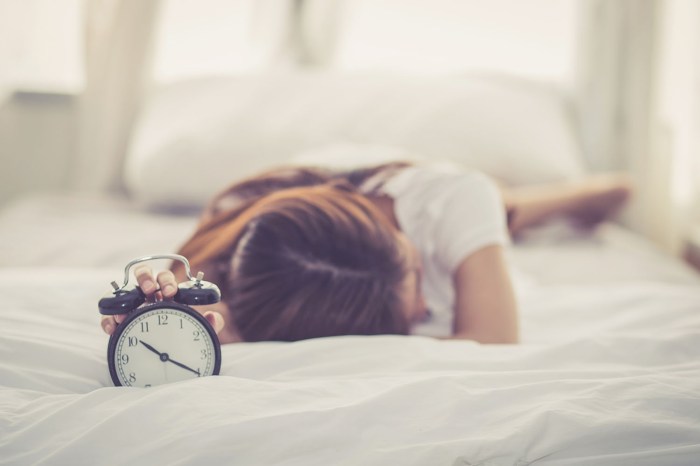
If sleep were a superhero, it would be the undisputed champion of health and wellness, swooping in to save the day while we snooze! Sleep quality is no mere bedtime story; it’s the secret ingredient behind glowing skin, sharp minds, and a robust immune system. As we dive into the land of slumber, we’ll discover how our nightly adventures—or misadventures—can make or break our well-being.

From the relationship between sleep and mental health to the surprising effects on our skin and immunity, sleep quality is the unsung hero of our daily lives. Struggling with puffiness or chronic conditions? Fear not! We’ll cover how to transform your night into a rejuvenating escapade that leaves you refreshed and ready to conquer the world—one pillow at a time.

Sleep Quality and Overall Health

Sleep is often seen as the ultimate luxury in today’s fast-paced world, but it’s more like your body’s nightly spa treatment, crucial for overall health. Quality sleep is not just about counting sheep; it’s a vital ingredient in the recipe for a healthy and happy life. Imagine your brain as a computer that needs rebooting every night to function optimally; without that rest, it can crash harder than a Windows 95 machine after too many pop-up ads.

Mental Health and Sleep Quality

The connection between sleep quality and mental health is as strong as a double espresso on a Monday morning. Poor sleep can lead to heightened anxiety, depression, and irritability, creating a vicious cycle where mental health issues further compromise sleep quality. When the brain doesn’t get enough quality rest, it can’t properly regulate mood and emotions, much like trying to bake a soufflé with expired ingredients.

Studies have shown that people with insomnia are ten times more likely to develop depression, emphasizing the importance of those nightly Zzz’s.

Impact of Sleep on Physical Health and Immune Function

Sleep acts as a powerful immune booster, akin to a superhero cape for your body. Quality sleep supports various physiological functions and helps maintain a strong immune system. When you skimp on sleep, your body’s ability to fend off infections diminishes, making you feel like a sitting duck in a shooting gallery. Research indicates that those who get less than seven hours of sleep are three times more likely to catch a cold than those who prioritize their shut-eye.

This happens because sleep helps produce cytokines, proteins that combat infection and inflammation.

Effects of Poor Sleep on Chronic Conditions

The dark cloud of poor sleep looms large over chronic conditions like diabetes and heart disease. Poor sleep can wreak havoc on insulin sensitivity, making it harder for the body to manage blood sugar levels, which is a red flag for diabetes. In fact, a study published in the journal “Diabetes Care” found that sleep deprivation could lead to a 23% increase in the risk of developing type 2 diabetes.

Similarly, the heart isn’t a fan of sleep deprivation; studies suggest that insufficient sleep can lead to high blood pressure, increased stress levels, and inflammation, all of which are major culprits behind heart disease.

“Sleep is the best meditation.” – Dalai Lama

In summary, sleep quality is crucial not just for a good mood but also for a well-functioning, healthy body. The next time you’re tempted to binge-watch that series instead of hitting the hay, remember: quality sleep is your secret weapon against illness, stress, and mood swings. So, tuck yourself in and let your body do the magic of healing while you dream of unicorns and rainbows.

Sleep Quality and Skin Care

Sleep quality

Sleep is like a magical elixir for our skin. It’s during those precious hours of slumber that our skin gets a chance to repair itself, rejuvenate, and prepare for the next day’s adventures. If you’ve ever wondered why you look like a snack after a full night’s rest, it’s because your skin is busy working hard while you dream of unicorns and rainbows.

Let’s dive into how sleep quality impacts skin health and what you can do to keep your complexion glowing like a freshly polished apple.

Impacts of Sleep on Skin Health and Appearance

A good night’s sleep can transform your skin from drab to fab, while poor sleep can leave you looking like you just ran a marathon in the Sahara Desert. Lack of sleep can lead to increased stress hormones like cortisol, which may result in breakouts, dullness, and even premature aging. Your skin relies on sleep to boost collagen production, repair damage, and maintain hydration levels.

Think of sleep as your skin’s BFF, always there to lend a hand (and a lot of moisture) when needed. Here are some key points about how sleep and skin health are intertwined:

  • Decreased inflammation: Quality sleep helps reduce redness and puffiness, giving your skin a calm and collected vibe.
  • Enhanced hydration: Your skin can absorb moisture better at night, leading to a plump and dewy glow.
  • Fewer dark circles: Quality sleep prevents those pesky bags under your eyes from auditioning for a role in a horror movie.
  • Improved elasticity: Sleep allows your skin to repair itself, maintaining its firmness and preventing sagging.

Skincare Routine Enhancing Skin Quality at Night

A nighttime skincare routine is like tucking your skin into bed with a cozy blanket. It’s essential to create a regimen that not only cleanses but also nourishes and rejuvenates your skin while you sleep. Here’s a step-by-step guide to an effective nighttime skincare routine that enhances skin quality:

  1. Cleanse: Start by washing away the day’s grime, makeup, and stress. A gentle cleanser will do the trick, leaving your skin fresh and ready for action.
  2. Exfoliate: A few times a week, use a mild exfoliant to slough off dead skin cells. This allows your skincare products to penetrate deeper and work their magic.
  3. Tone: Apply a hydrating toner to balance your skin’s pH levels and prep it for the following products.
  4. Serum: Choose a serum packed with active ingredients like hyaluronic acid or retinol to target specific concerns while you snooze.
  5. Moisturize: Seal in the goodness with a rich night cream or oil that locks in moisture and helps your skin repair itself overnight.
  6. Eye cream: Don’t forget the delicate eye area. A nourishing eye cream can work wonders while you dream.

Methods to Prevent Sleep-Related Skin Issues

Even the best of us can experience sleep-related skin issues, like puffiness that could rival the Michelin Man or acne that seems to have an audition for the next blockbuster. But fear not! There are some easy methods to keep your skin looking its best while you catch those Z’s:

  • Sleep on your back: This position reduces pressure on your face, helping to prevent those sleep lines that can become permanent roommates.
  • Use a silk pillowcase: Silk is gentler on your skin than cotton, helping to reduce friction and prevent breakouts.
  • Stay hydrated: Drink plenty of water throughout the day to keep your skin hydrated and plump, so it doesn’t feel like the Sahara by morning.
  • Limit screen time: Reduce exposure to blue light before bed to improve sleep quality, which in turn helps your skin repair itself.

“A good laugh and a long sleep are the best cures in the doctor’s book.” – Irish Proverb

Sleep Quality and Wellness Practices

Sleep quality

In the quest for the perfect snooze, wellness practices can be your trusty sidekicks, much like a superhero team ready to battle insomnia. Imagine soothing spa treatments, calming yoga sessions, and a magical list of supplements that join forces to elevate your sleep quality. Together, they can transform your nightly routine from a restless auto-pilot into a serene, dreamy voyage!

Spa Treatments and Sleep Quality

Indulging in spa treatments is akin to giving your body a warm hug and telling it, “Hey, you deserve some serious pampering!” Spa therapies, such as massages, aromatherapy, and hydrotherapy have been found to significantly enhance sleep quality. Massage therapy, in particular, not only loosens those tight muscles but also stimulates the production of serotonin, paving the way for melatonin—the hormone that welcomes sleep like an old friend.

Imagine floating in a warm, bubbly hot tub with lavender essential oil wafting through the air—the very essence of relaxation! Hydrotherapy can decrease muscle tension and promote relaxation, while aromatherapy wraps you in a fragrant cocoon, sending you off to dreamland. When you leave the spa, you’re not just refreshed; you’re practically a sleep ninja, ready to conquer the night!

Yoga and Sleep Promotion

Yoga isn’t just about fancy poses and Instagram-worthy mats; it’s a sleep superhero in disguise! Practicing yoga helps to quiet the mind, reduce anxiety, and stretch out the knots of tension built up over the day. Incorporating gentle yoga routines into your evening ritual can significantly improve your sleep quality. The magic of yoga lies in its breathing techniques, which act as lullabies to your nervous system.

Poses like Child’s Pose and Legs-Up-The-Wall help lower cortisol levels and encourage relaxation. So, if you find yourself tossing and turning, try striking a pose (not the celebrity kind), and let your worries melt away.

Supplements Supporting Sleep Quality

When it comes to sleep-enhancing supplements, think of them as your friendly neighborhood sleep aids—each with its own unique powers to help you drift off. Here’s a fabulous lineup of supplements that can lend a hand in achieving peaceful slumber:

  • Melatonin: This hormone regulates sleep-wake cycles and can be particularly useful for adjusting to new time zones or combating sporadic sleep schedules.
  • Magnesium: Promotes relaxation by calming the nervous system and aiding muscle recovery, making your body feel like a cozy blanket at bedtime.
  • L-Theanine: Found in tea leaves, this amino acid soothes the mind, helping you feel calm and ready for dreamland.
  • Valerian Root: Known for its sedative properties, this herbal supplement has been used for centuries to promote relaxation and improve sleep quality.
  • Chamomile: Often enjoyed as a tea, chamomile has mild sedative effects that can help ease you into a peaceful sleep.

These supplements can be the missing puzzle pieces in your sleep quality journey. Just remember to consult with a healthcare professional before diving into any supplement regimen to ensure it fits your unique sleep needs like a glove!

Conclusion

In conclusion, sleep quality is not just a matter of counting sheep; it’s about waking up to a life brimming with vitality and joy. Whether you’re indulging in a soothing spa treatment, stretching your way into dreamland with yoga, or arming yourself with sleep-friendly supplements, every step you take toward better sleep can lead to a happier, healthier you. So, tuck yourself in, let the dreams come alive, and remember: life is too short to skimp on beauty sleep!

FAQs

What are the signs of poor sleep quality?

Common signs include daytime fatigue, irritability, difficulty concentrating, and waking up feeling unrefreshed.

How many hours of sleep do I need for optimal sleep quality?

Most adults require 7 to 9 hours of quality sleep per night for optimal health and functioning.

Can napping improve sleep quality?

Yes, short naps can enhance alertness and reduce fatigue, but long naps may interfere with nighttime sleep.

Do sleep environments affect sleep quality?

Absolutely! A dark, quiet, and cool environment promotes better sleep quality.

Can I improve sleep quality with diet?

Yes, a balanced diet rich in sleep-friendly foods—like cherries, bananas, and whole grains—can enhance sleep quality.

Best sleep positions for a healthier snooze

Best sleep positions

Best sleep positions can make the difference between waking up feeling like a champion or a zombie on a Monday morning. You might think that as long as your eyes are closed, it’s all good, but oh boy, the way you curl up can dictate everything from snoring symphonies to wrinkle wars. Ready to dive into the cozy world of sleep positions?

From the spine-aligning benefits of side sleeping to the snore-silencing powers of back sleeping and the potential risks of belly flopping in your dreams, we’ll unravel the secrets to achieving that sweet, sweet slumber. Plus, we’ll delve into how these positions might even help you look fabulous while catching those Zs!

Best Sleep Positions

When it comes to catching those elusive Z’s, the position you choose to sleep in can be as crucial as the number of sheep you count. Each position has its own set of perks and pitfalls, like a game of sleep chess where every move counts toward a better night’s rest or a morning full of regret. Let’s dive into the snooze-worthy world of sleep positions and see what works best for you!

Side Sleeping Benefits

Side sleeping is like curling up in your favorite blanket fort; it cradles you in comfort while promoting spinal alignment. This position keeps your spine in a neutral position, which can help alleviate back pain and reduce the risk of developing conditions like herniated discs. Additionally, side sleeping can do wonders for those who snore or suffer from sleep apnea.

By keeping your airways open, side sleeping can transform you from a snoring bear to a serene slumberer. Imagine your partner thanking you every morning with a smile instead of a pillow thrown across the room!

Back Sleeping and Its Impact

Back sleeping is like the classic rock of sleep positions—timeless but with a few warning signs. For some, this position can lead to snoring and exacerbate sleep apnea symptoms. When you sleep on your back, gravity loves to play tricks, allowing your tongue to fall back and obstruct your airway. This can result in a symphony of snores or, worse, a nightly wrestling match with your breath.However, back sleeping does allow for even weight distribution across your body, which can be beneficial for spinal health, provided you don’t have any underlying respiratory issues.

Think of it as the double-edged sword of sleep: one side offers support, while the other may have you waking up sounding like a foghorn.

Potential Drawbacks of Stomach Sleeping

Stomach sleeping, while perhaps the most rebellious of sleep positions, comes with its share of challenges. This position can be akin to a contortionist act for your neck and spine. When you sleep on your stomach, your head must be turned to the side for breathing, which can lead to neck strain and discomfort. Picture a pretzel—delicious, but definitely not something you want your spine to resemble!Moreover, stomach sleeping often flattens the natural curve of your spine, leading to additional discomfort and potential long-term issues.

In the grand sleep position debate, it’s often labeled as the “party pooper”—great for a quick nap but not ideal for a restorative slumber.

Related Health Topics

Best sleep positions

Sleep positions are more than just a cozy way to catch Z’s; they can have some surprising effects on your overall health. From influencing the state of your skin to affecting your vocal acoustics (snore-symphonies, anyone?), how you slumber can really make a difference. Let’s dive into some intriguing connections between our nightly poses and health outcomes.

Influence of Sleep Positions on Skin Health

The way you position your head while sleeping can significantly impact your skin. The pressure of your face against the pillow can lead to an unwelcome visitor: wrinkles. If you’re a side sleeper, your lovely cheeks may be getting a workout that isn’t quite as appealing as a facial. Here’s what happens:

  • The friction from your pillowcase can contribute to premature aging, as skin cells are repeatedly compressed and stretched.
  • Back sleepers, rejoice! This position allows your skin to rest freely without the added pressure, potentially keeping those pesky lines at bay.
  • For the ultimate skin health boost, consider investing in silk pillowcases. They offer a smoother surface, reducing friction and giving your complexion a chance to shine.

“A good sleep in the right position is like a spa day for your face!”

Connection Between Sleep Posture and Snoring Issues

Your chosen sleep posture can also play a starring role in your nightly concert of snores. Believe it or not, how you sleep might just determine whether your partner reaches for earplugs or a pillow to smother their laughter. Consider the following:

  • Back sleepers are often the loudest snorers due to gravity pulling the tongue back into the throat, narrowing the airway.
  • Side sleeping is generally the quieter alternative, as this position opens the airway and allows for a more peaceful slumber.
  • For those who can’t shake the back-sleeping habit, try using a body pillow to encourage a shift to your side.

“Snoring: the symphony of sleep, best enjoyed solo!”

Effects of Different Sleep Positions on Wellness Practices

Certain sleep positions can influence how effective other wellness practices are, like yoga and spa treatments. The alignment your body maintains while snoozing can impact your flexibility and overall wellness.Here’s how:

  • Side sleeping can promote a more relaxed spine, aligning your body in a way that complements your yoga sessions.
  • Back sleepers may find their lower back stiff the next day, which can interfere with performing backbends in yoga. Stretching beforehand can help mitigate this.
  • For those indulging in spa treatments, a restful side position can enhance relaxation, while back sleepers might need extra support to maintain comfort during long massages.

“Sleep may be the best meditation, but a good position can turn it into a wellness retreat!”

Health and Wellness Considerations

Best sleep positions

Sleep positions can be a game-changer for your health and wellness, and believe it or not, the way you snooze can influence everything from your thyroid function to your waistline. So, before you dive into a slumber party, let’s explore how your sleeping style could be impacting your overall health. It’s time to turn your pillow talk into a health talk!

Effects of Sleep Positions on Thyroid Function

The thyroid gland, that butterfly-shaped powerhouse in your neck, plays a crucial role in regulating metabolism, energy levels, and overall health. Interestingly, sleep positions can have varying effects on this critical gland. For instance, sleeping on your back may help maintain optimal airflow and prevent neck strain, which can be beneficial for thyroid function. Conversely, sleeping on your stomach can compress the neck and potentially impede the gland’s performance.

Sleeping comfortably is key to allowing your thyroid to do its best work!

Sleep Positions and Weight Loss Efforts

Believe it or not, your sleep position could be a secret ingredient in your weight loss recipe. Certain positions might enhance your metabolism and contribute to healthier body composition. For example, side sleeping has been linked to improved digestion and can reduce the chances of acid reflux, which may aid in a more restful sleep and, consequently, better weight management.Here’s how different sleep positions can help with weight loss:

  • Left Side Sleeping: This position is not only great for your heart but can also enhance lymphatic drainage, potentially leading to better fat metabolism.
  • Right Side Sleeping: While it may not be as beneficial as the left, it can still keep your body comfortable and prevent disturbances that lead to unhealthy snacking.

Women’s Health Issues Related to Sleep Positions

Women often face unique health challenges, many of which can be influenced by sleep patterns and positions. The correlation between sleep and various women’s health issues is significant and deserves attention.Below are some health concerns that can be impacted by how women sleep:

  • Menstrual Discomfort: A side position may alleviate cramps and enhance circulation.
  • Pregnancy: Left-side sleeping is recommended for pregnant women to improve blood flow to the fetus and lessen pressure on vital organs.
  • Menopause: Women experiencing hot flashes may benefit from cooling down with a back sleeping position, which allows for better airflow.
  • Insomnia: Sleep positions can impact comfort levels, and finding the right position may be key to conquering sleepless nights.

Your sleep position does more than just define your comfort level—it can be a significant factor in maintaining overall health and wellness. So, whether you’re a side sleeper, back snoozer, or a stomach slumberer, remember: the way you rest at night might just be the key to waking up feeling fabulous!

Outcome Summary

So there you have it, the ultimate guide to mastering your snooze game with the best sleep positions. Whether you’re a side sleeper who snoozes like a baby or a back sleeper who dreams of unicorns, remember that your sleep posture can impact not just how you feel in the morning, but also your overall health. So, make those pillow choices wisely, and may your dreams be ever in your favor!

Query Resolution

What is the best sleep position for back pain?

The best sleep position for back pain is typically on your side with a pillow between your knees to maintain spinal alignment.

Can sleep position affect dreams?

While there’s no definitive evidence, some believe that certain sleep positions can influence the type of dreams you experience.

Is it bad to sleep on your stomach?

Yes, stomach sleeping can put strain on the neck and spine, leading to discomfort and pain over time.

What position helps reduce snoring?

Sleeping on your side is known to help reduce snoring, as it keeps the airway open.

Do pillows matter in sleep posture?

Absolutely! The right pillow supports your neck and head, ensuring proper alignment and comfort based on your sleep position.

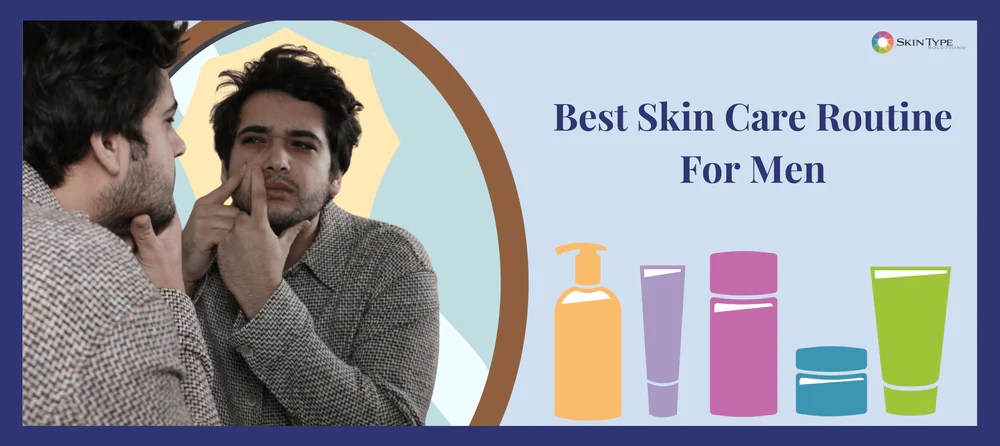
Skincare for men Get Ready to Glow Like a God!

Skincare for men

Skincare for men might sound like a plot twist in a rom-com, but it’s time to ditch the stereotypes and embrace the glow! Imagine strutting into a room and leaving a trail of radiant skin behind you; now that’s what we call a power move! Men, have you ever wondered if your face could be as polished as your favorite pair of shoes?

Well, buckle up because we’re diving into a world where morning routines, lifestyle choices, and even spa days can transform your skin from drab to fab.

From understanding your skin type to selecting the right products and conquering exfoliation like a pro, this guide is all about empowering you to take charge of your skincare game. Plus, we’ll explore how lifestyle choices like sleep, diet, and stress can either be your skin’s best friends or worst enemies. So, grab your metaphorical (or literal) towel, and let’s wipe away those misconceptions and step into the spotlight!

Skincare Routine for Men

Men, it’s time to stop thinking that skincare is just for the ladies. Your skin deserves TLC too! A solid skincare routine can leave you looking fresh and fabulous, ready to take on the world—or at least the coffee run. Let’s dive into a morning skincare routine designed specifically for your rugged charm, while keeping in mind the unique needs of your skin.

Detailed Morning Skincare Routine

Starting your day with a skincare routine is like putting on your armor before heading into battle. Here’s a morning routine that even the most hardened warriors would approve of:

1. Cleanser

Kick off your routine with a gentle facial cleanser to wash away the residue of the night. This step eliminates oil, sweat, and any potential remnants of last night’s questionable decisions. Look for one that’s pH-balanced to avoid turning your face into a desert.

Recommended Product

CeraVe Hydrating Facial Cleanser*—it’s like a refreshing drink of water for your skin.

2. Toner

Next up, grab a toner to balance your skin’s pH levels and tighten those pores. It’s the equivalent of a pep talk for your face, getting it ready for the day ahead.

Recommended Product

Thayers Witch Hazel Toner*—a gentle option that’s alcohol-free and perfect for most skin types.

3. Moisturizer

Hydration is key. A good moisturizer will keep your skin from resembling a dry raisin. Opt for a lightweight formula that absorbs quickly, so you won’t feel greasy.

Recommended Product

Neutrogena Hydro Boost Water Gel*—this gel-based moisturizer provides a burst of hydration without the heavy feel.

4. Sunscreen

Last but not least, protect your skin from harmful UV rays. Daily application of sunscreen is your best defense against aging and skin cancer.

Recommended Product

La Roche-Posay Anthelios Melt-in Milk Sunscreen SPF 60*—it’s lightweight and won’t leave you looking like a ghost.

Understanding Skin Types

Not all skin is created equal, and knowing your skin type is crucial in selecting the right products. Here’s a quick rundown of common skin types:

Oily Skin

Characterized by a shiny appearance and larger pores. Look for oil-free products and consider a gel moisturizer to keep the shine at bay.

Dry Skin

Often feels tight and may flake. Cream-based moisturizers can work wonders in hydrating and soothing your parched skin.

Combination Skin

A mix of oily and dry areas, typically an oily T-zone and dry cheeks. Use different products for different areas or a balance of both.

Sensitive Skin

Prone to redness and irritation. Seek out fragrance-free and hypoallergenic products to keep your skin calm and happy.

“Choosing the right products for your skin type is as essential as picking the right outfit for a first date.”

The Role of Exfoliation

Exfoliation is the unsung hero of skincare. It helps remove dead skin cells, unclogs pores, and boosts cell turnover, giving you that fresh-faced look. But don’t go overboard—2-3 times a week is the sweet spot.

Physical Exfoliants

These contain small particles that manually scrub away dead skin. Look for a gentle scrub to avoid irritation.

Recommended Product

Jack Black Face Buff Energizing Scrub*—it’s like a cup of coffee for your face!

Chemical Exfoliants

These use acids to dissolve dead skin and can be gentler on the skin. AHA (Alpha Hydroxy Acid) and BHA (Beta Hydroxy Acid) are popular choices.

Recommended Product

Paula’s Choice Skin Perfecting 2% BHA Liquid Exfoliant*—ideal for unclogging pores and smoothing the skin’s texture.

Incorporating a robust skincare routine not only revitalizes your appearance but also boosts your confidence. Remember, taking care of your skin is not just a luxury; it’s a necessity. So gear up and show your skin some love—it will thank you later!

Impact of Lifestyle on Skin Health

In the grand theater of life, the stage isn’t just set by our skincare products but also by the lifestyle choices we make. From the hours we spend in the land of nod to the culinary delights we indulge in, our skin often plays the part of the eager audience, reacting to every act. Let’s dive into how our lifestyle can either be the leading actor or the villain in the drama of skin health.

Effects of Sleep and Snoring on Skin Appearance and Health

Sleep, that elusive creature, is not just a luxury; it’s a necessity for skin vitality. During those precious hours of slumber, our bodies engage in a reparative gala, where skin cells regenerate and repair damage from the day. But beware the perils of snoring! This nocturnal symphony can disturb not just your partner’s sleep but also your skin’s beauty rest.

Research indicates that sleep deprivation leads to increased dark circles, puffiness, and even a dull complexion, making you look like you’ve just done a round with a heavyweight champion.Here’s why your pillow should be your best friend:

  • Cells regenerate more efficiently during deep sleep, resulting in a fresh-faced glow.
  • Reduced cortisol levels help combat inflammation, which can lead to breakouts and irritation.
  • Sleep quality impacts hydration; a good night’s rest locks in moisture and keeps skin plump.

“A good laugh and a long sleep are the best cures in the doctor’s book.” — Irish Proverb

Diet and Supplements Affecting Skin Condition and Aging

What you eat is what you are—this adage rings especially true for your skin. A diet rich in antioxidants, vitamins, and minerals can transform your skin from dull to dazzling, while a poor diet can lead to premature aging and issues like acne. Think of your skin as a delicate soufflé; if you drop in junk food and sugar, it’s bound to flop!Key dietary elements include:

  • Omega-3 Fatty Acids: Found in fish like salmon and walnuts, these support a healthy skin barrier and reduce inflammation.
  • Antioxidants: Berries, dark chocolate, and leafy greens combat free radicals that accelerate aging.
  • Hydration: Water is your skin’s best friend; it keeps cells hydrated and flushes out toxins.

Additionally, supplements like collagen and vitamin C can enhance skin elasticity and brighten your complexion. Remember, you are what you eat, so make those choices delectable!

Correlation Between Stress Levels, Wellness, and Skincare for Men

Stress is the unwanted guest at the skincare soirée, sneaking in and wreaking havoc on your complexion. Elevations in stress hormones like cortisol can lead to increased oil production, causing breakouts and a myriad of skin woes. It’s like inviting a raccoon to a picnic; chaos ensues!Understanding the importance of wellness is key:

  • Meditation and Mindfulness: Taking time to unwind can reduce stress and improve skin clarity.
  • Exercise: Sweating it out not only detoxifies the skin but also boosts circulation, giving you a natural glow.
  • Social Connections: Building relationships can buffer stress; remember, laughter is also an excellent exfoliant for the soul.

By managing stress, you can positively influence your skin’s appearance, reducing fine lines and breakouts, and creating a more youthful visage. Life may throw curveballs, but with a sprinkle of humor and a dash of self-care, you can ensure your skin remains a shining star!

Enhancing Wellness through Spa Treatments

Skincare for men

In the world of self-care, the spa is a majestic castle, and you’re the king (or at least a very important duke). For men, spa treatments aren’t just about indulgence; they’re a strategic play in the game of looking and feeling fab while battling the stresses of life, work, and the occasional bad hair day. From rejuvenating facials to muscle-melting massages, spa treatments can elevate your wellness routine sky-high.

Choosing the right spa can feel like picking a favorite child—daunting and subjective. The right spa isn’t just about mood lighting and scented candles; it’s about finding a sanctuary that caters to your skin’s unique needs and your busy lifestyle. Here are some treatments that are particularly beneficial for men’s skin—think of them as the A-Team of spa services.

Beneficial Spa Treatments for Men’s Skin

When it comes to pampering, some treatments shine brighter than a freshly polished bald head. Here’s a lineup of spa treatments that will give your skin the attention it deserves:

  • Deep Cleansing Facial: This isn’t your average wash; it dives deep into your pores, removing dirt and grime that have taken up residence.
  • Exfoliating Scrub: Say goodbye to dead skin cells! A good scrub reveals the vibrant skin underneath, leaving you looking as fresh as a morning breeze.
  • Hydrating Mask: Perfect for combatting dry skin, this mask infuses moisture, making your skin feel like it just returned from a tropical vacation.
  • Hot Stone Massage: Warm stones melt away tension and promote circulation, making you feel like a new man—perhaps one with a slight swagger.
  • Beard Treatments: For those sporting facial hair, specialized treatments help keep your beard follicly fabulous and your skin itch-free. Who could ask for more?

Choosing the Right Spa and Wellness Treatments

Finding your perfect spa match is like dating; it takes a little trial and error. It’s crucial to know what to look for when choosing a spa that will cater to your masculine needs. Here’s how you can navigate the spa jungle:

  • Research Reviews: Websites and apps are your allies. Check reviews from fellow warriors (or just regular guys) to gauge which establishments have earned their battle scars.
  • Visit the Spa First: A quick reconnaissance mission allows you to assess the ambiance, cleanliness, and staff friendliness. If it feels like a dungeon, keep moving.
  • Inquire About Services: Ensure they have treatments tailored for men. If they don’t recognize the beauty of a deep cleansing facial, hit the road!
  • Evaluate the Expertise: Check that the staff members are trained to handle men’s skin issues. A therapist with experience in male skincare is worth their weight in gold—or at least a well-groomed mustache.
  • Check for Packages: Many spas offer bundles that can save you coins. If you can get a facial and massage combo, it’s like hitting two birds with one very luxurious stone.

Benefits of Regular Spa Visits for Men’s Self-Care Routine

Incorporating regular spa visits into your self-care routine is akin to adding spinach to your diet—perhaps not as tasty, but undeniably good for you. The benefits of making spa days a priority are as rich as a chocolate cake at a birthday party:

  • Stress Reduction: Regular spa treatments are proven stress busters. Less stress can lead to better skin and mood—an all-around win!
  • Improved Skin Health: Consistent care can address issues like acne or dryness, leading to a rejuvenated complexion. Think of your skin as a fine wine; it gets better with care.
  • Enhanced Blood Circulation: Treatments often stimulate circulation, which means more oxygen for your skin—a natural glow without the Instagram filter.
  • Boosted Confidence: Feeling good about your skin translates into a more confident you. Whether at work or on a date, confidence is the ultimate accessory.
  • Increased Relaxation: That post-massage glow is not just a myth. Regular visits can lead to a calmer, more relaxed mental state, making life’s challenges seem less daunting—like transforming a bear into a cuddly teddy.

Closing Summary

Skincare for men

As we wrap up this skincare saga, remember that taking care of your skin is not just a chore; it’s an adventure! Whether you’re crafting the perfect morning routine or indulging in a spa day that feels like a mini-vacation, every step counts towards that enviable glow. So go forth, brave men of the skincare world, and wield your moisturizing swords with confidence.

With these tips in your arsenal, you’re well on your way to turning heads and raising brows—starting with your own!

FAQ Resource

Do men really need a skincare routine?

Absolutely! Just like you wouldn’t ignore your car’s maintenance, your skin deserves some TLC too. A good routine can keep your skin healthy and fresh.

What’s the difference between men’s and women’s skincare products?

Generally, men’s skin is thicker and oilier, so products are often formulated differently to address those unique needs. It’s not about gender; it’s about texture!

How often should I exfoliate?

Once or twice a week is usually enough, depending on your skin type. Just don’t go overboard; your skin isn’t a sandpaper project!

Can diet really affect my skin?

Yes, indeed! You are what you eat—so if you’re munching on chips all day, don’t be surprised if your skin starts looking like one!

Is it too late to start a skincare routine?

Never! It’s like starting a gym routine—your skin will thank you no matter when you start. The best time was yesterday; the second best time is now!